
More Than a Sweet Treat
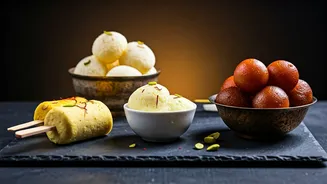
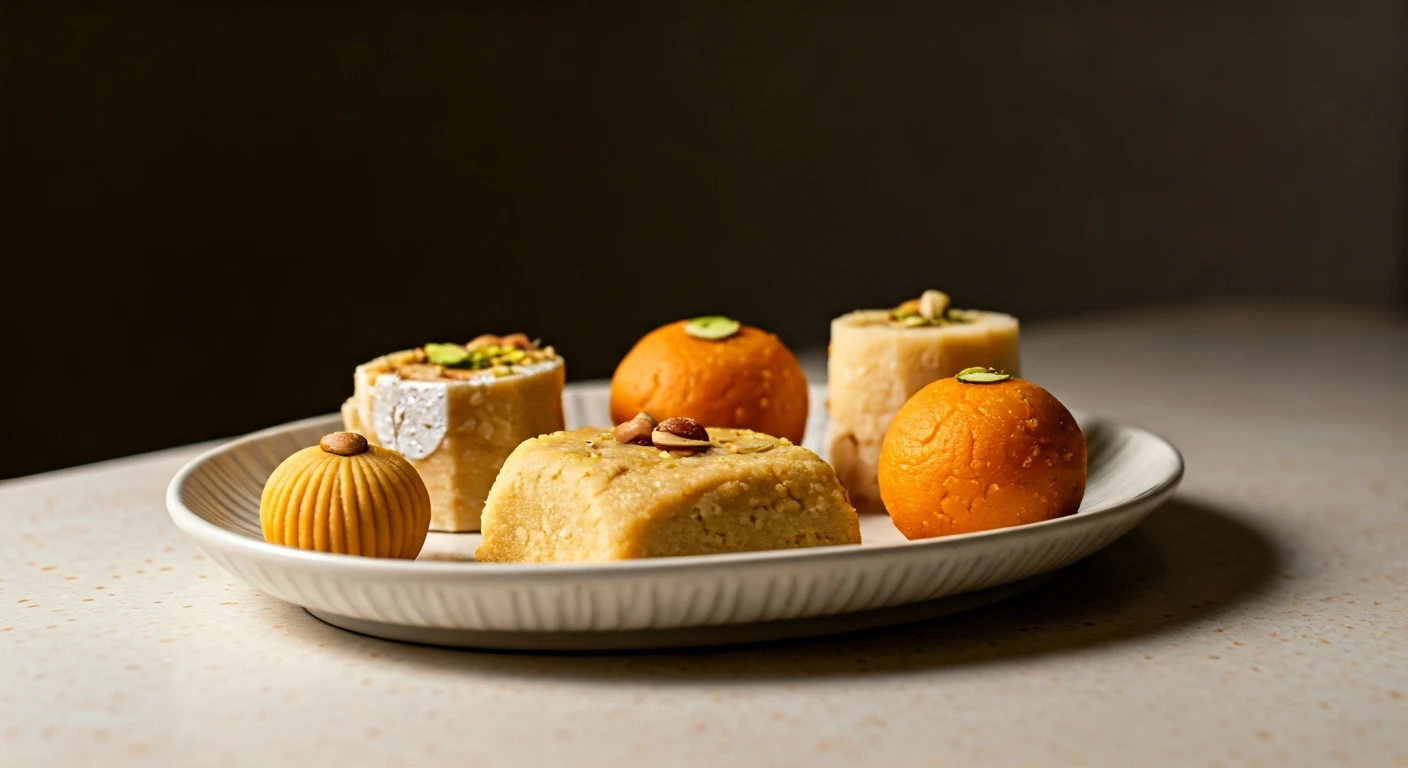
For generations of South Asian Americans, mithai existed in a specific context. These sweets—dense, fragrant, and often dazzlingly decorated—were the stuff of festivals like Diwali, weddings, and special family visits. You’d find them piled high in traditional
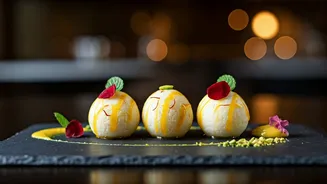
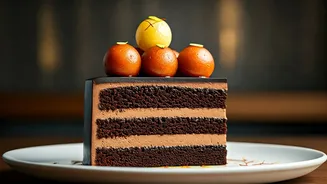
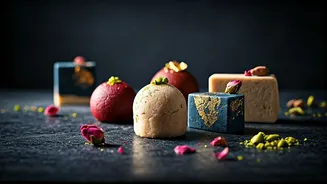
sweet shops, or ‘mithaiwalas,’ purchased by the pound in familiar pink boxes. They were delicious, but they were also ceremonial, tied to an older generation’s cultural playbook. Now, a fundamental shift is underway. Across the U.S., from New York to California, a new generation of chefs and entrepreneurs is pulling mithai out of its ceremonial box. They are asking a simple but revolutionary question: What if a gulab jamun wasn't just a syrup-soaked ball, but the inspiration for a cheesecake? What if the delicate flavors of rose, pistachio, and cardamom weren't just for barfi, but for a flaky croissant or a creamy latte? The result is a culinary movement that’s not just about fusion, but about reclamation.
The Third-Culture Cafe
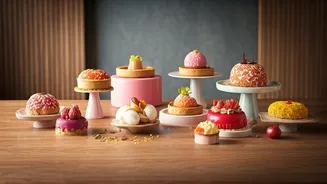
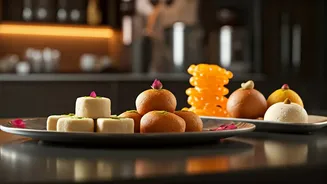
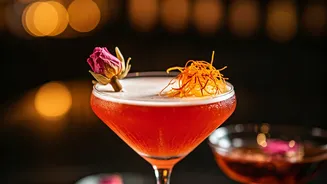
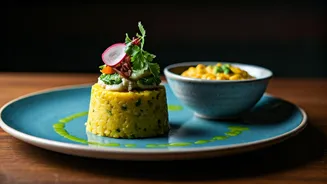
The new home for this renaissance is the modern café. These spaces look and feel familiar to any American city-dweller: think exposed brick, good lighting, meticulously crafted espresso drinks, and a steady Wi-Fi signal. But the menu tells a different story. Instead of a plain almond croissant, you might find a pistachio-rose one. That slice of cake might be infused with the milky, saffron-scented flavors of ras malai. The chai isn’t from a syrup concentrate; it’s brewed with freshly ground spices, the way an aunt or grandmother might make it. These cafés are often described as “third-culture” spaces, created by second- or third-generation immigrants who are navigating their dual identities. They grew up with both American café culture and South Asian flavors, and they see no reason why the two can't coexist. For patrons, this changes the entire experience. Mithai is no longer just a transactional purchase to be taken home; it’s the centerpiece of a social experience—a coffee date, a work session, or a weekend brunch.
Innovation Rooted in Nostalgia
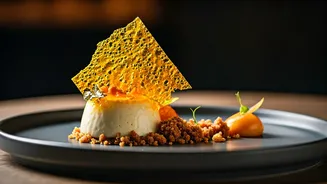
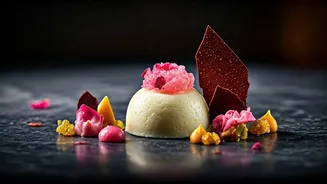
The magic of this movement lies in its balance of innovation and nostalgia. Chefs are using sophisticated techniques to create desserts that are lighter, less sweet, and more structurally complex than their traditional counterparts. Take the 'jalebi cheesecake,' a dessert that's popped up in various forms. It combines the crisp, syrupy tangle of a classic jalebi with the creamy tang of a Western-style cheesecake, creating a perfect blend of textures and tastes. Similarly, you might find motichoor ladoo, traditionally a sphere of tiny chickpea flour pearls, reimagined as a crunchy topping for ice cream or a flavor layer in a delicate parfait. These creations aren't about erasing tradition but expanding its vocabulary. The core flavors—cardamom, saffron, rosewater, mango, pistachio—are celebrated and amplified. It’s a loving tribute, not a rejection. The creators often speak of being inspired by the memory of a specific flavor from their childhood and wanting to present it in a form that resonates with their contemporary life and their diverse customer base.
A Taste of Cultural Confidence
Ultimately, the rise of the mithai-centric café is a story of cultural confidence. For years, many ethnic foods were expected to stay in their lane—cheap, authentic, and served in no-frills environments. This new movement rejects that premise entirely. It presents South Asian flavors as premium, aspirational, and worthy of the same artisanal treatment as French pastries or Italian coffee. These cafés are unapologetically themselves, creating a welcoming space for everyone while proudly centering a specific heritage. They provide a physical place for the diaspora to see their culture reflected back at them in a cool, modern context. For non-South Asian customers, they offer an accessible and delicious entry point into a rich culinary world, moving beyond the standard buffet-line fare. It’s a sign that the American culinary landscape is becoming richer, more complex, and infinitely more interesting.