





The New Meaning of 'Fully Loaded'
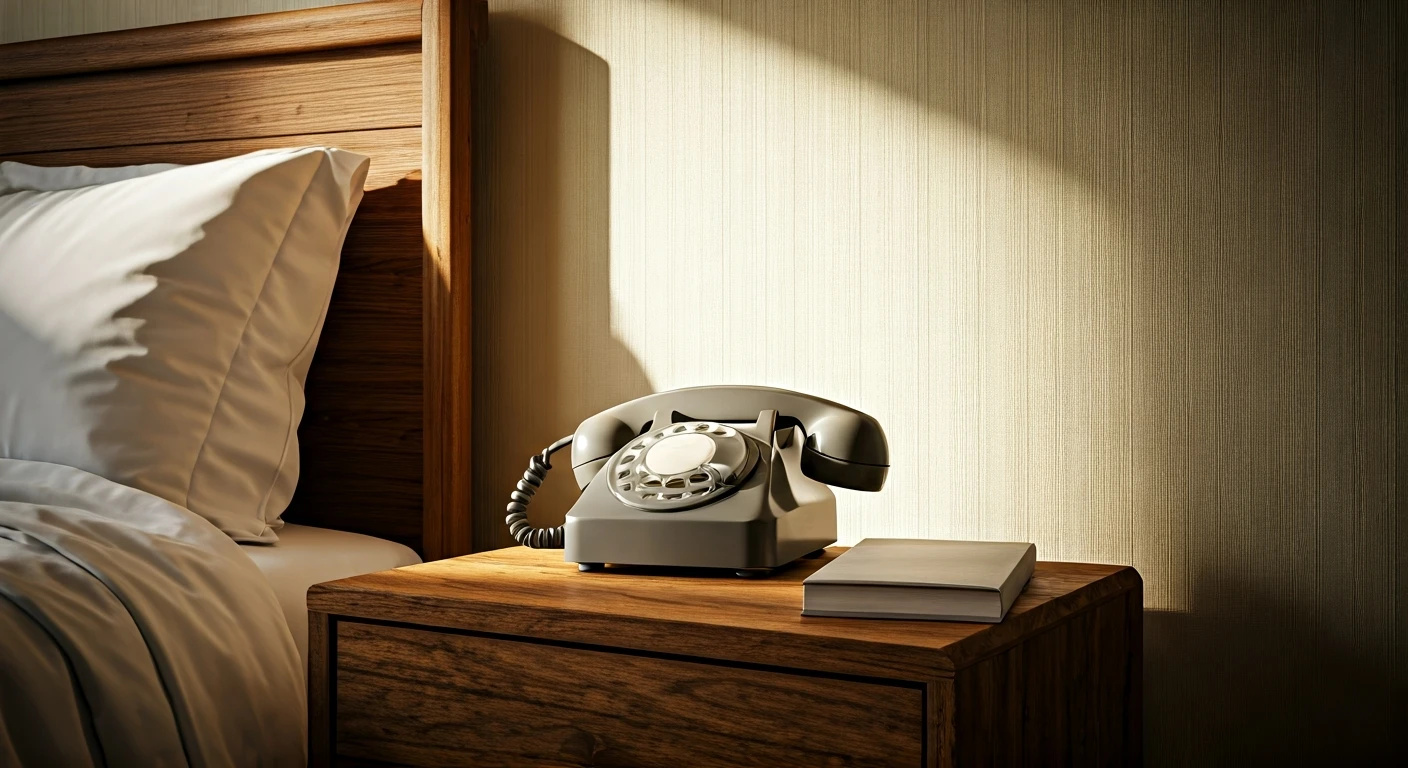
For decades, the definition of a luxury hotel room was additive. More amenities, more technology, more channels on a bigger screen. From the bedside alarm clock radio to the eventual arrival of in-room internet and 65-inch flat-screens, 'premium' meant
seamless access to the world you just left behind. But a powerful counter-trend is now reshaping high-end hospitality. A growing number of sought-after properties are marketing an entirely different kind of luxury: the deliberate, curated absence of technology. This isn't about being rustic or cheap. It’s a calculated, premium offering that redefines a 'fully loaded' room as one that is full of quiet, space, and opportunities for genuine connection—with your surroundings, your companions, and yourself.
Selling a Cure for Modern Life
What’s driving this movement? In a word: burnout. The very connectivity that once felt like a perk now feels like a prison. Our screens follow us from the office to the living room and into bed. The constant barrage of notifications, emails, and infinite scrolls has created a new class of ailment—digital fatigue and attention scarcity. Savvy hoteliers understand this intimately. They’re not selling a room without a TV; they're selling a sanctuary from the attention economy. They are offering a rare and increasingly valuable commodity: a few days of uninterrupted thought. The promise is no longer about staying connected to your world, but about successfully disconnecting from it. This philosophy posits that true rest isn't about passively consuming media, but about actively reclaiming your mental real estate.
Pioneers of Quiet
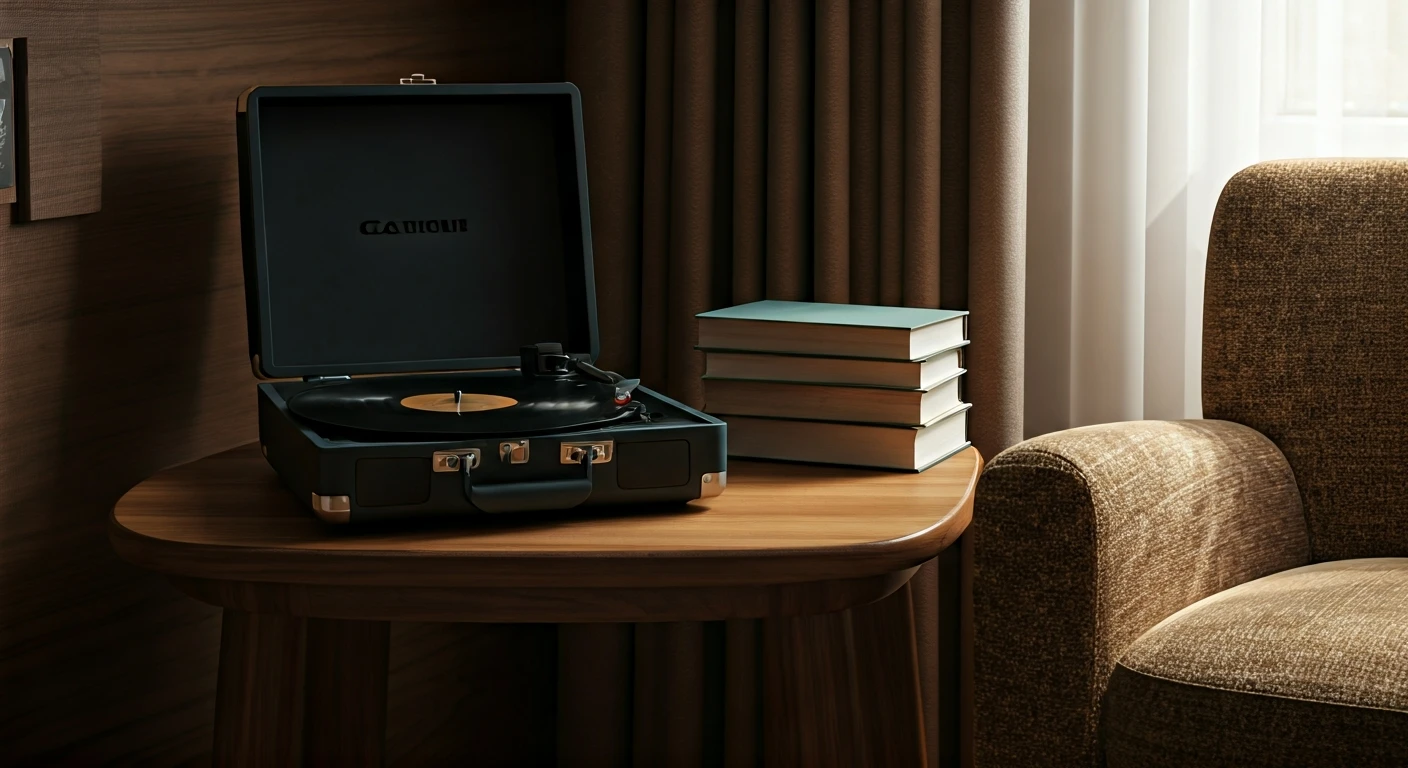
This trend is most visible in properties that are destinations in themselves. Brands like Getaway have built an entire business model on tiny, disconnected cabins in the woods, complete with a lockbox for your phone. At the ultra-high end, resorts like The Point in the Adirondacks, a former Rockefeller Great Camp, and many Aman properties have long championed an ethos where the architecture and natural setting are the entertainment. You won't find a TV in their suites. Instead, you'll find a wood-burning fireplace, a curated library, a hand-drawn map for a hike, or simply a perfectly framed, unobstructed view of a lake or mountain. At Naviva, A Four Seasons Resort in Mexico, the experience is designed around nature and personal well-being, with screens being conspicuously absent from the luxury tents. The goal is to replace passive entertainment with active, mindful engagement.
More Than Just No Television
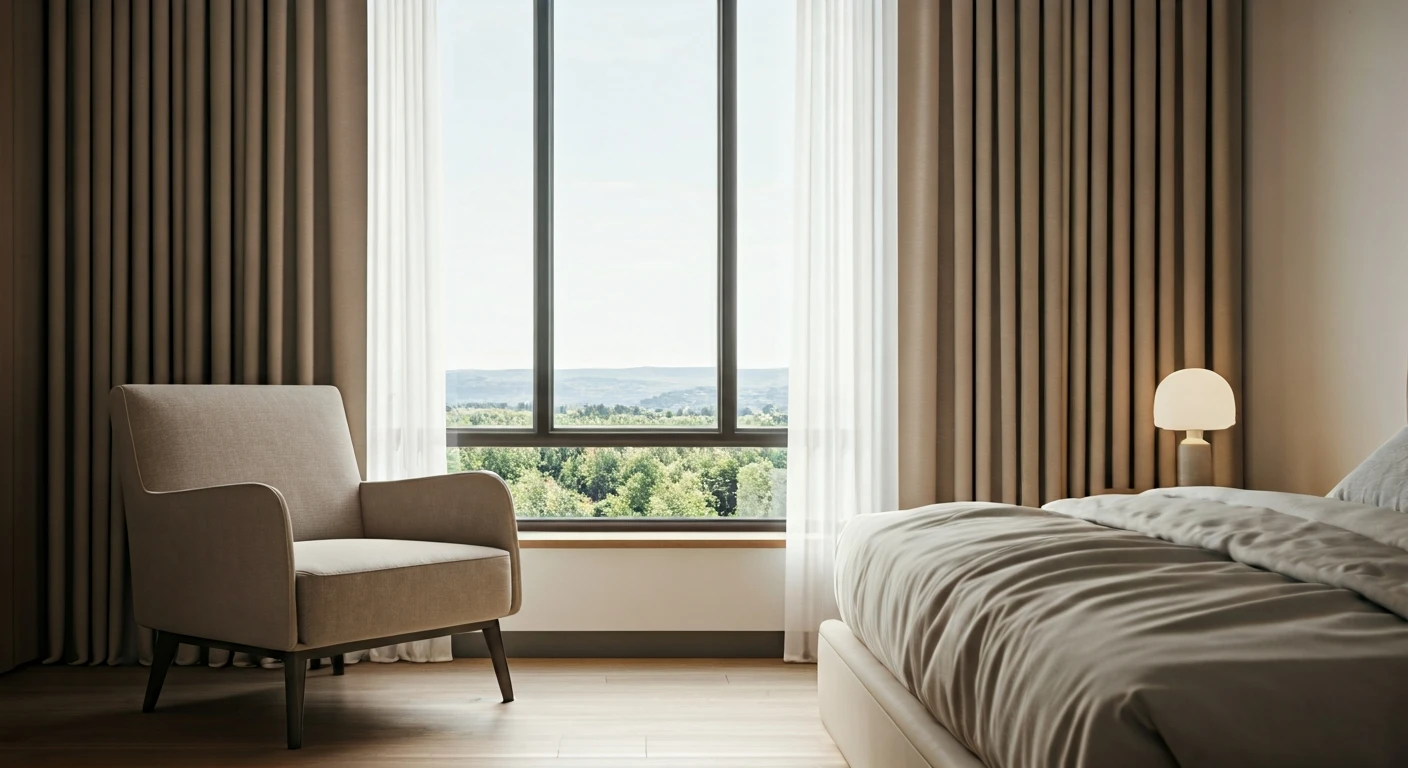
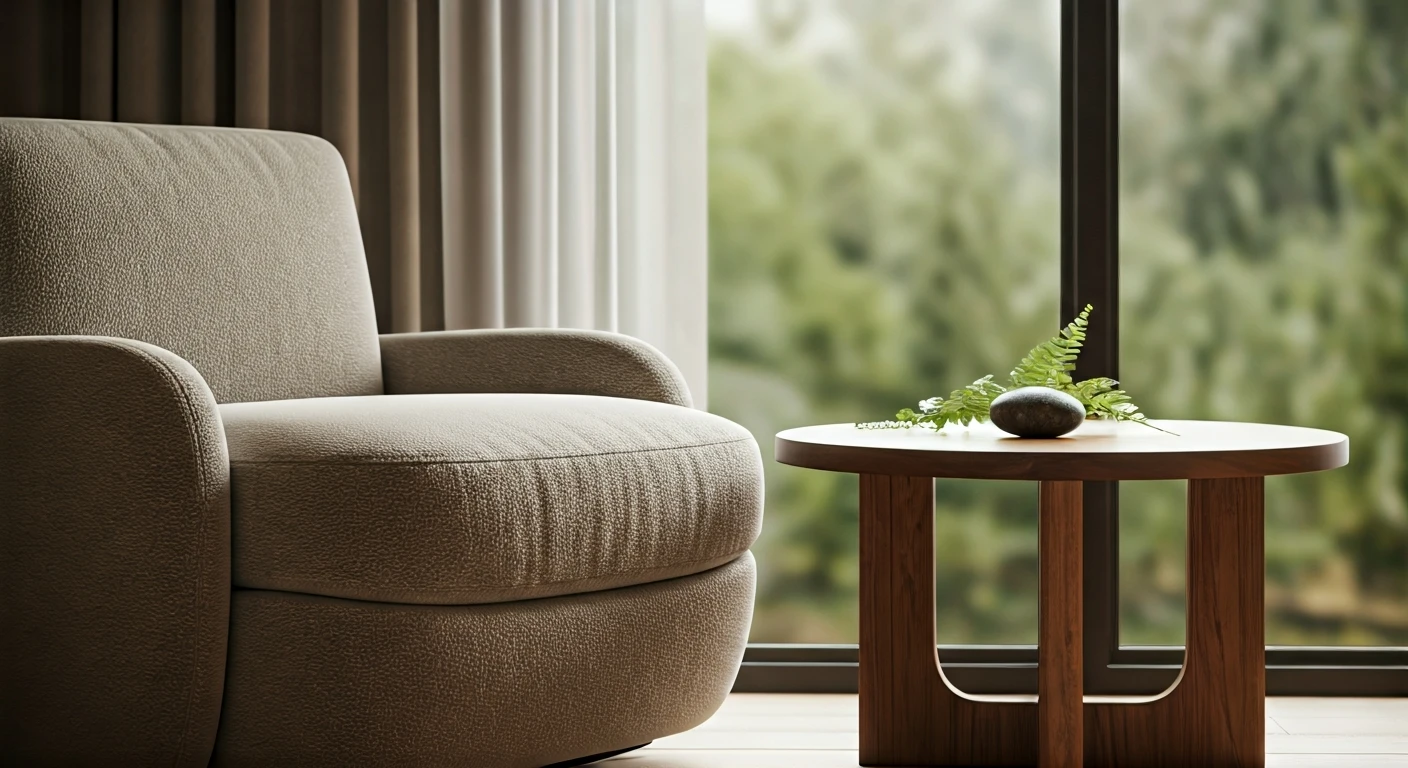
Successfully creating a screen-free environment is about more than just removing the hardware. It’s a holistic design philosophy. It means building spaces that draw the eye outward—with floor-to-ceiling windows, private terraces, and thoughtful sitting areas oriented toward a view, not an interior wall. It involves creating common areas that encourage interaction, with plush seating for conversation, fireplaces, and tables stocked with board games and books. Some properties intentionally offer weak or non-existent Wi-Fi, framing it not as a failure of infrastructure but as a feature of the experience. By removing the digital crutch, these hotels gently force guests to be present. The background hum of a cable news channel is replaced by the crackle of a fire or the sound of the wind, creating a profoundly different—and for many, more restorative—sensory experience.