




What Exactly Is This 'Stone' Mat?
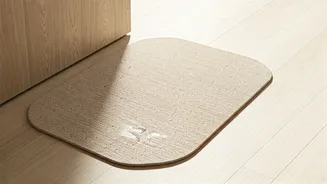
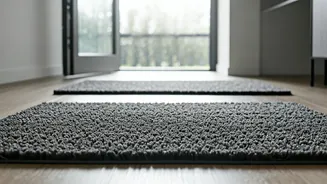
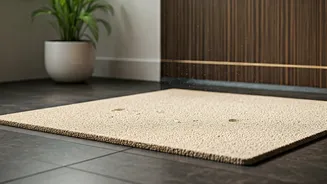
At first glance, it looks like a smooth, minimalist slab of slate or concrete. It feels cool and solid underfoot. But this isn’t just any stone—it’s made of diatomaceous earth (DE), a naturally occurring, sedimentary rock. The material is formed from
the fossilized remains of tiny aquatic organisms called diatoms. The key to its magic lies in its structure. Under a microscope, DE is revealed to be incredibly porous, full of microscopic holes that make it one of the most absorbent materials on the planet. This isn't some high-tech invention from a Silicon Valley lab; it's a natural substance harnessed into a brilliantly simple household product. These mats transform a humble mineral into a sleek, functional accessory that solves a problem you didn't even realize you could fix.
The Instant-Dry Magic Trick
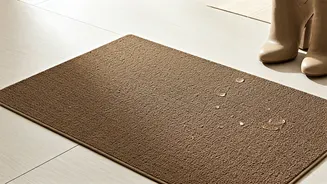
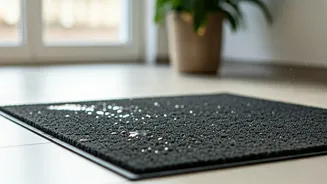
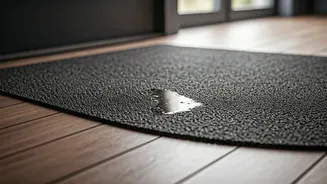
The primary, almost unbelievable, benefit of a diatomaceous earth mat is its ability to absorb water instantly. Step out of the shower or walk in with wet shoes, and you can literally watch the dark, damp footprints fade away in under a minute. There’s no puddle, no spreading moisture, and no need to gingerly hop onto a towel. The porous nature of the DE wicks moisture from the surface and disperses it, allowing it to evaporate at an astonishing rate. This single feature is a complete game-changer. It eliminates the dreaded soggy bath mat that stays wet for hours, creating a breeding ground for mildew and a musty smell. In an entryway, it means no more muddy water getting tracked further into your home. It’s a clean, dry, and oddly satisfying experience every time.
A Cleaner, More Hygienic Surface
Traditional fabric rugs are magnets for dirt, hair, dust, and bacteria. Even with regular washing, they can harbor mold and mildew deep within their fibers, especially in a humid environment like a bathroom. A diatomaceous earth mat, by contrast, is inherently more hygienic. Its rapid-drying properties prevent the damp conditions that mold and bacteria need to thrive. Because it's a solid, non-fibrous surface, dirt and hair don't get trapped. A quick wipe or rinse is often all that's needed to keep it clean. This makes it a superior choice not just for cleanliness, but for air quality, reducing the musty odors associated with perpetually damp textiles. For anyone sensitive to allergens or just grossed out by the thought of what lives in their old bath mat, the switch is a no-brainer.
Minimalist Style and Simple Upkeep
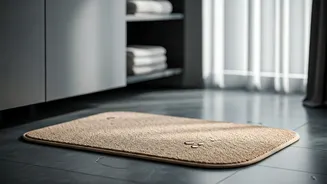
Beyond its practical benefits, the DE mat offers a significant aesthetic upgrade. Its clean lines and neutral, stone-like appearance bring a touch of modern, minimalist style to any space. It declutters the floor, providing a sleek and unobtrusive alternative to a bulky, patterned rug. But the beauty is more than skin deep; the maintenance is refreshingly simple. Unlike a fabric mat that requires a trip to the washing machine, a DE mat is low-effort. For light marks, a damp cloth will do. For more significant stains or a loss of absorbency over time, a quick buff with the included piece of sandpaper is all it takes to refresh the surface and open up the pores again. They are also surprisingly durable, though they are stone, so dropping them or placing them on an uneven surface can cause them to crack. Treated with care, however, one mat can last for years, making it a sustainable choice.