



More Than Just a Gut Feeling
The primary engine behind the fermented food boom is undeniably wellness. For years, we’ve been hearing about the importance of the gut microbiome—the trillions of bacteria living in our digestive tract that influence everything from immunity to mood.
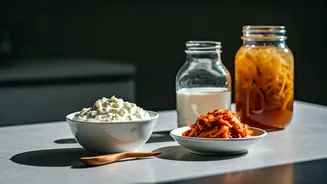
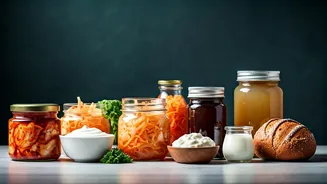
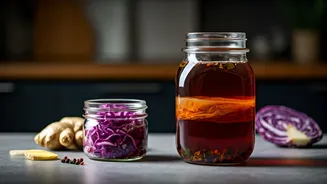
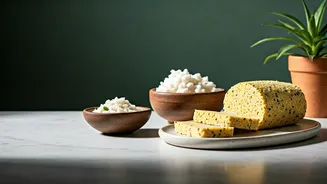
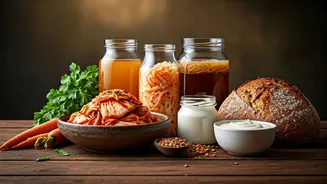
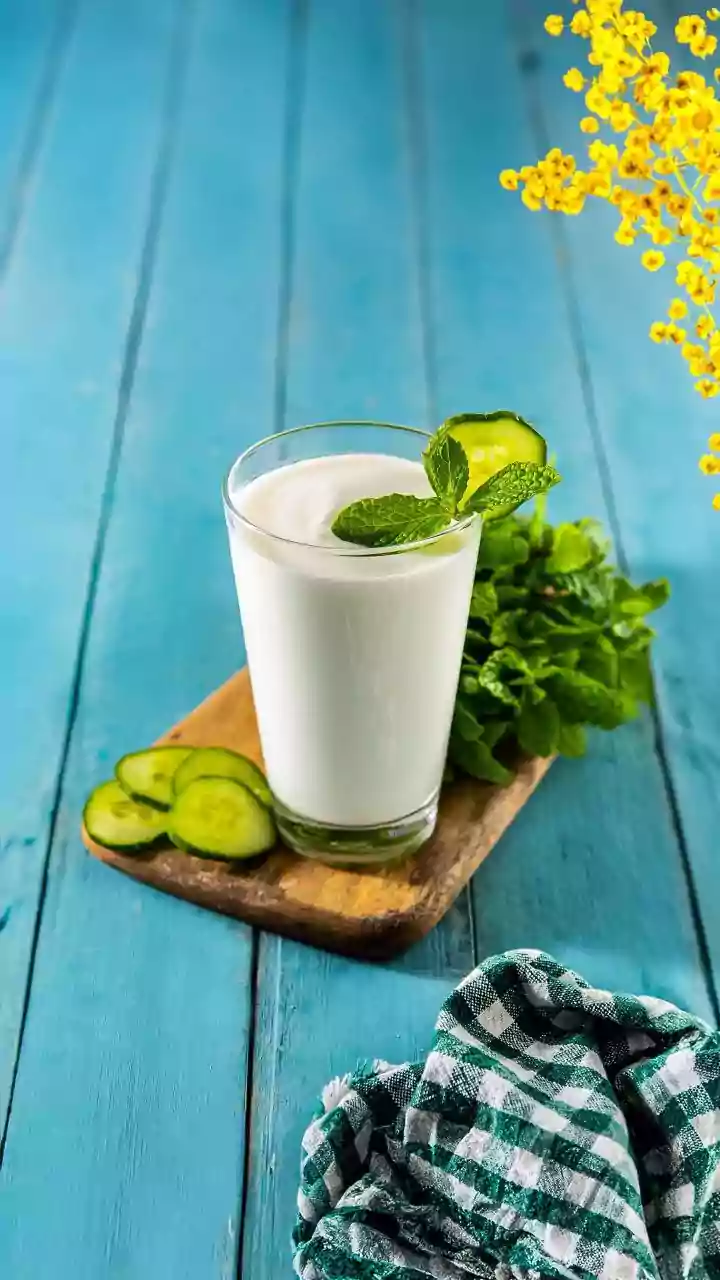
Fermented foods are natural sources of probiotics, the “good” bacteria that help maintain a healthy gut environment. Items like kefir, yogurt, and unpasteurized sauerkraut are packed with these beneficial microbes. As consumers become more proactive about their health, seeking preventative solutions rather than just reactive cures, foods that promise to boost gut health have become incredibly appealing. While the science is still evolving, early research suggests a link between a balanced microbiome and improved digestion, reduced inflammation, and a stronger immune system. This has transformed foods once considered simple staples into functional powerhouses, turning the dairy aisle and condiment shelf into a modern-day apothecary.
A Revolution in Flavor
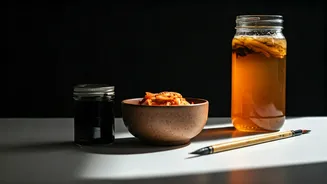
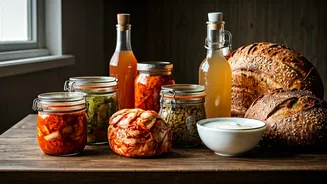
If health opened the door, flavor is what’s keeping people coming back for more. Fermentation is a transformative process that creates astonishingly complex tastes. It breaks down sugars and starches, producing a symphony of sour, funky, and savory (umami) notes that are impossible to replicate artificially. Think of the deep, salty richness of miso, the spicy tang of kimchi, or the fizzy, vinegary bite of kombucha. Chefs at high-end restaurants have embraced these ingredients to add depth and intrigue to their dishes, using everything from house-made vinegars to fermented chili pastes like gochujang. This culinary curiosity has trickled down to the home cook, who is discovering that a spoonful of fermented goodness can elevate a simple soup, sandwich, or grain bowl. It’s a departure from the straightforward sweet and salty profiles that once dominated the American palate, introducing a new dimension of flavor that is both exciting and deeply satisfying.
The New DIY Culture
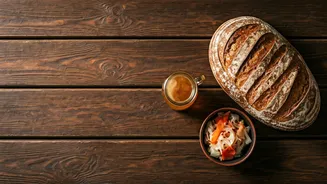
Beyond buying it at the store, a significant part of the trend is making it at home. The rise of the DIY fermentation movement speaks to a deeper desire for connection with our food. It started with the sourdough craze, where millions of Americans nurtured their own bubbling starters, and has expanded to include home-brewed kombucha, jarred kimchi, and crunchy pickled vegetables. This hands-on approach demystifies the process and offers a sense of accomplishment and self-sufficiency. It’s a craft that requires patience and observation, turning the kitchen into a mini-laboratory. Online communities, workshops, and countless tutorials have made it easier than ever for beginners to get started. This isn't just about saving money; it’s about participating in a tradition, controlling the ingredients, and creating something that is literally alive.
From Ancient Practice to Supermarket Staple
While it may feel like a modern fad, fermentation is one of humanity’s oldest food preservation techniques. For centuries, cultures around the world have used it to make food last through lean times and to create dietary staples. German sauerkraut, Korean kimchi, Indian dosas, and Russian kefir are all products of this ancient wisdom. What we’re seeing today is not an invention but a rediscovery and commercialization of these global traditions. The current craze is bringing these foods out of ethnic markets and into the mainstream American supermarket. This shift reflects a growing appreciation for global cuisines and a recognition that ancient food practices often hold the key to modern wellness challenges. The trend bridges the gap between past and present, making it feel both timeless and incredibly relevant.