
Goodbye, Catalog Perfection
For the better part of a decade, the dominant interior design ethos was one of clean lines, neutral palettes, and a sort of beautiful, impersonal perfection. Think of the endless scroll of gray-and-white living rooms, where every item seems sourced from
the same three direct-to-consumer brands. It was safe, it was clean, but for many, it began to feel a little soulless. We were creating spaces that looked good in a photo but lacked a personal narrative. This shift is a quiet rebellion against “fast furniture”—the cheaply made, trend-driven pieces that aren't built to last. In its place is a renewed appreciation for objects with history, durability, and a story to tell. An heirloom, whether it’s a sturdy oak dining table or a slightly chipped ceramic vase, brings an immediate sense of authenticity to a room that a flat-pack bookcase simply cannot match. It’s a move from consumption to curation.
More Than Just 'Old Stuff'
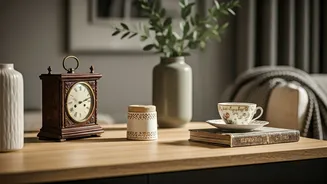
The power of an heirloom isn't just its aesthetic; it's the emotional resonance. In a world that feels increasingly digital and disconnected, surrounding ourselves with tangible links to our past provides a unique form of comfort and identity. That mid-century credenza isn’t just a piece of furniture; it’s the one your grandparents bought with their first married paycheck. The worn Persian rug is a reminder of a family member's travels. These items act as storytellers. They anchor us, reminding us that we’re part of a longer narrative. Designers and psychologists alike note that this connection to personal history can make a home feel more like a sanctuary. It’s less about showing off wealth and more about showcasing a rich family tapestry. Every scuff, patina, or quirky detail adds a layer of personality that money can’t buy.
The Rise of 'Grand-Millennial' Style
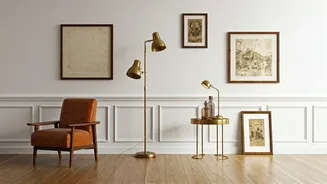
This trend didn’t appear in a vacuum. It’s the driving force behind popular design movements like “Grandmillennial,” “Coastal Grandmother,” and the newer “Eclectic Grandpa.” These styles are all, at their core, about mixing the old with the new. They champion floral wallpaper, needlepoint pillows, and dark wood furniture, but they do it with a fresh, modern sensibility. A Grandmillennial might pair their grandmother’s chintz sofa with a sleek, modern coffee table and abstract art. An Eclectic Grandpa setup might see a worn leather armchair and a shelf of vintage books juxtaposed with minimalist lighting. The key is the mix—the tension between old and new is what creates visual interest and keeps the space from feeling like a dusty museum or a sterile showroom.
How to Make Heirlooms the Star
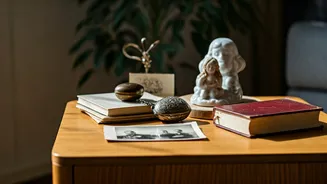
So, how do you pull that sideboard out of the basement and make it a “main character”? The secret is intentionality. Don't try to create a period-perfect room. Instead, treat the heirloom as a piece of statement art. If you have a beautiful, albeit slightly dated, armchair, consider reupholstering it in a bold, contemporary fabric like velvet or a graphic print. Suddenly, it’s a conversation piece, not an antique. For smaller items, like a collection of plates or silver trinkets, grouping is your best friend. A gallery wall of inherited china patterns can look incredibly chic. A cluster of small silver objects arranged on a modern tray creates a beautiful vignette. The idea is to give the item space to breathe and interact with more contemporary pieces. Contrast is key: place a vintage lamp on a minimalist console, or hang a classic oil painting in an otherwise spare hallway.