



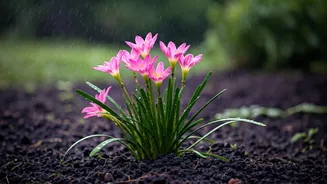


What Exactly Is a Native Plant?
Forget the idea of a single, universal list. A plant’s ‘native’ status is all about geography. A native plant is one that has evolved over thousands of years in a particular region or ecosystem without human introduction. The stately Blue Spruce is native to
the Rocky Mountains, but not to Florida. The vibrant California Poppy belongs in the West, not New England. These plants have co-evolved with the local soil, climate, and wildlife, creating a deeply intertwined relationship. Unlike ornamental imports from other continents, native species are perfectly adapted to thrive where they are, forming the foundational layer of their local food web.
An Ecological Powerhouse in Your Backyard
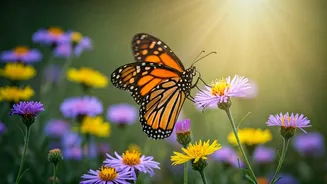
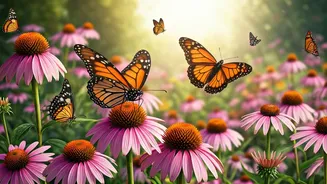
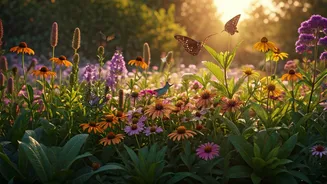
The primary driver behind the native plant movement is ecological. For decades, American yards have been dominated by sterile turfgrass and exotic ornamentals that offer little to no food or habitat for local wildlife. A native garden, however, is a bustling ecosystem. Native plants provide the specific nectar, pollen, seeds, and leaves that native insects, like bees and butterflies, have evolved to rely on. For example, the Monarch butterfly caterpillar can *only* eat milkweed, a native plant. When you plant milkweed, you're not just adding a flower; you're building a nursery. These insects, in turn, become a critical food source for local birds, which then feed their young. By choosing natives, a gardener transforms their small patch of land from a decorative space into a functional, life-sustaining habitat.
Less Work, More Beauty
While the ecological benefits are profound, the practical perks are what truly convert many gardeners. Because native plants are already adapted to your local climate, they’re remarkably low-maintenance. They are naturally drought-tolerant, meaning less time and money spent on watering. They thrive in local soil conditions without the need for chemical fertilizers. And since they have co-evolved with local pests and diseases, they are generally more resilient, reducing or eliminating the need for pesticides. This hands-off approach redefines gardening from a chore-filled battle against nature to a collaboration with it. The result is a garden that is not only easier to care for but also offers a more authentic, dynamic beauty that changes with the seasons.
Getting Started with Natives
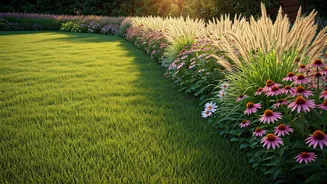
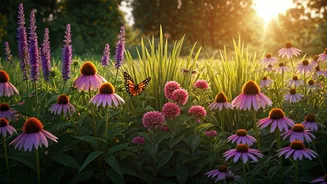
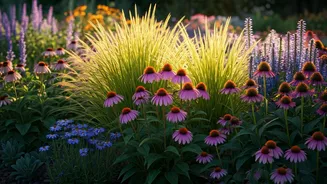
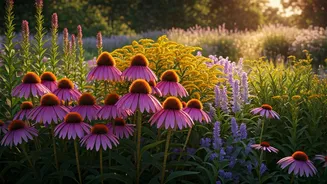
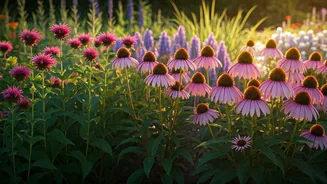
Jumping into native gardening is easier than you might think. You don't need to rip out your entire lawn overnight. Start small. A single pot of native coneflowers (Echinacea) on a patio can be a lifeline for bees. A small patch of your yard converted from grass to Black-Eyed Susans (Rudbeckia) can become a vibrant focal point. The best first step is to learn what's native to *your* specific area. Resources like the National Audubon Society's native plant finder or local university extension websites can generate lists based on your zip code. Visiting a local nursery that specializes in native plants—rather than a big-box store—will connect you with experts who can recommend the perfect, easy-to-grow species for your yard’s sun, shade, and soil conditions. Choosing just one or two plants is a powerful start.