



The New Liquid Status Symbol
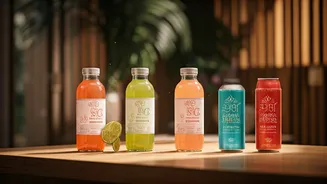
In the United States, wellness often looks like a $12 smoothie or a specific brand of oat milk in your latte. In India, a similar phenomenon is taking shape, but with a uniquely local flavor. The 'functional sip'—a ready-to-drink beverage packed with herbs,
vitamins, and adaptogens—is quickly becoming the new 'flex' for urban millennials and Gen Z. It’s not just about health; it’s about signaling a lifestyle. Carrying a sleekly designed bottle of a turmeric-infused juice or downing an ashwagandha wellness shot is a public declaration of self-investment. In a culture where hustle is celebrated, these drinks are a convenient, aspirational shortcut to showing you’re taking care of yourself amidst the chaos of modern life.
Ancient Roots, Modern Bottles
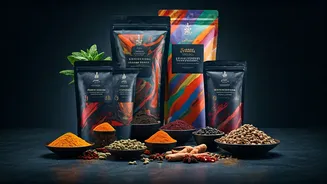
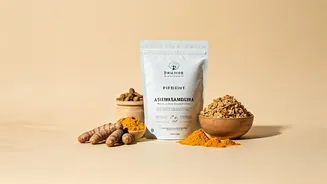
This trend isn't appearing out of nowhere. It’s deeply rooted in Ayurveda, India’s ancient system of medicine that has used herbs and botanicals for millennia. Ingredients that are now trending in American wellness cafes—like ashwagandha (for stress), brahmi (for cognitive function), and amla (a potent source of Vitamin C)—are household names in India, long used in home remedies. What’s new is the packaging. For generations, these ingredients were consumed in powders or as part of complex, homemade concoctions (kadha). Today’s direct-to-consumer brands are taking that same wisdom and bottling it for a generation that is time-poor but health-conscious. They’ve made tradition convenient, stylish, and accessible.
What Exactly Are Functional Sips?
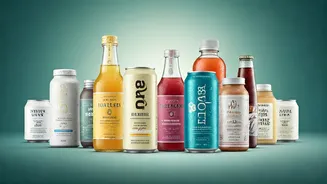
The category is broad, but it generally includes a few key formats. There are cold-pressed juices infused with ingredients like moringa or beetroot. There are small, concentrated 'wellness shots' designed for a quick boost of immunity or detoxification, often featuring ginger, turmeric, and amla. You'll also find herbal infusions and ready-to-drink teas that promise everything from better sleep to glowing skin. Brands like Kapiva, Auric, and Akiva Superfoods are leading the charge, marketing their products not just on health benefits but on lifestyle integration. Their messaging revolves around solving modern problems—stress, poor sleep, low energy, pollution—with traditional solutions delivered in a format that fits a fast-paced, digital-first world.
A Digital-First Phenomenon
A key driver of this trend is the direct-to-consumer (D2C) e-commerce boom in India. Rather than fighting for shelf space in crowded supermarkets, these brands were born online. They use Instagram and targeted digital ads to reach their ideal customers directly, building a community around wellness. This model allows them to tell a deeper story about their ingredients and their brand ethos, educating consumers on the benefits of Ayurveda while cultivating an aspirational image. Subscription models are common, ensuring a steady supply of wellness lands on your doorstep each month, further embedding the habit into a consumer's daily routine. It's a business strategy that perfectly mirrors the product: modern delivery for ancient wisdom.
A Global Echo, But Different
American consumers might see a bottle of ashwagandha juice and think, 'I've seen that at Whole Foods.' And they have. The global wellness industry has already extracted and popularized many of these ingredients. But the context is entirely different. In the U.S., these are often novel, exotic additions to a wellness routine. In India, it’s a reclamation. It’s young Indians reconnecting with their own heritage, but on their own terms. The 'flex' isn't just about being healthy; it's about being culturally savvy, embracing a modern Indian identity that is both globally aware and deeply rooted in tradition. It's not about discovering a new ingredient, but about re-discovering and re-packaging an old one for a new era.