





The Mistake: Washing Your Hair All Wrong
Here’s a scene that might feel familiar: You step into the shower, squeeze a generous dollop of shampoo into your palm, and pile all your hair on top of your head, scrubbing the entire mass into a giant, foamy cloud. It feels clean, right? According to hairstylists
and dermatologists, this is the single most common and damaging mistake people make. We’ve been taught to wash our hair, but we were never taught that our hair has two very different zones with completely opposite needs. Treating your entire head of hair as one uniform entity is where the trouble begins. This aggressive, all-over scrubbing method strips essential moisture from the fragile ends of your hair while potentially not cleaning the scalp—the one part that actually needs it—thoroughly enough.
Why Scalps and Ends Have Different Needs
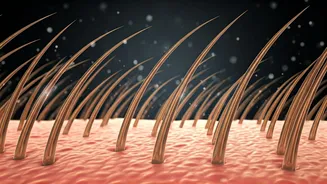
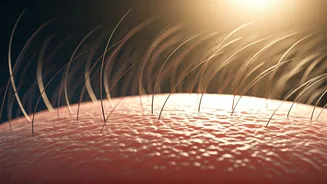
Think of your hair like a plant. Your scalp is the soil, and the lengths of your hair are the delicate leaves. You wouldn't scrub a plant's leaves with the same vigor you use to till the soil. Your scalp produces sebum, a natural oil that, in excess, makes hair look greasy and can attract dirt. The primary job of shampoo is to act as an emulsifier, breaking down this oil and buildup so it can be washed away. Your ends, on the other hand, are the oldest and most fragile part of your hair. They have endured months, or even years, of sun exposure, heat styling, and mechanical stress. They don’t produce any oil of their own and are desperate for moisture. When you vigorously scrub them with a detergent (which is what shampoo is), you’re stripping away what little natural oil they have and roughing up the hair’s protective outer layer, the cuticle. This leads to dryness, split ends, frizz, and breakage.
The Right Way: Focus Shampoo on the Scalp
The correction is simple but revolutionary for your hair’s health. From now on, think of shampoo as a scalp treatment, not a hair treatment. Get your hair completely saturated with water. Squeeze a quarter-sized amount of shampoo into your hands and emulsify it between your palms. Now, instead of applying it to your hair, apply it directly to your scalp. Use the pads of your fingertips (never your nails, which can cause micro-abrasions and damage) to gently but firmly massage the shampoo all over your scalp for one to two minutes. This action will effectively cleanse the oil and product buildup where it accumulates. When you rinse, the suds will run down the lengths of your hair. This gentle cascade is more than enough to cleanse the ends without the harsh friction of a direct scrub. Your lengths get cleaned without getting stripped.
Step Two: Condition Only Where It Counts
Conditioner has the opposite job of shampoo. Its purpose is to restore moisture and seal the hair cuticle to protect it from damage, reduce frizz, and add shine. Therefore, it should be applied with the opposite logic. After thoroughly rinsing out your shampoo, gently squeeze the excess water from your hair. Apply your conditioner starting from the mid-lengths and focusing on the ends—the parts that need the moisture most. Avoid applying conditioner directly to your scalp or roots. For most hair types, this will only weigh the hair down, making it look flat and feel greasy faster. Let the conditioner sit for a few minutes as directed on the bottle before rinsing. This simple two-step tweak—shampoo for the scalp, conditioner for the ends—ensures every part of your hair gets exactly what it needs and nothing it doesn't.