






First, What Is an ‘Active’ Dog?
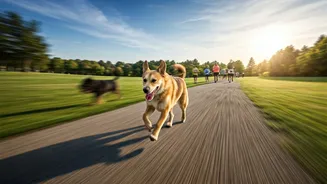
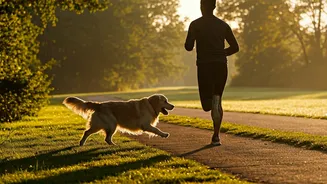
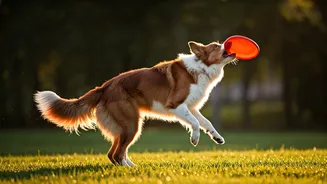
Before you change their diet, it’s important to understand what “active” truly means in the canine world. This label goes beyond the dog that enjoys a brisk daily walk or a weekend romp at the park. An active dog is typically a canine athlete or a working
dog. Think of the German Shorthaired Pointer that spends hours in the field, the Border Collie training for agility trials, the Siberian Husky pulling a sled, or a search-and-rescue German Shepherd. These dogs engage in strenuous, sustained physical exertion that places significant demands on their bodies. If your dog regularly participates in activities like long-distance running, competitive sports (flyball, dock diving), or demanding work for more than an hour or two several times a week, they likely fall into this category.
Calories and Macronutrients 101
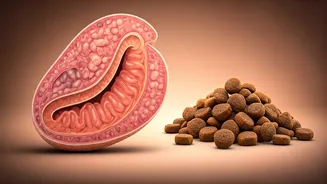
The most common mistake owners make is simply increasing the portion size of their dog’s regular food. While active dogs certainly need more calories, the source of those calories is what truly matters. Standard adult maintenance dog foods are formulated for the average pet’s relatively sedentary lifestyle. Performance diets, on the other hand, are specifically balanced with different ratios of the three key macronutrients: protein, fat, and carbohydrates. For an athletic dog, simply feeding more of a standard diet can lead to digestive upset and won't provide the targeted nutritional support they need for performance, endurance, and recovery. The goal isn't just to fill the tank; it's to provide the right kind of high-octane fuel.
Protein for Muscle Repair
Intense physical activity causes microscopic tears in muscle fibers. Protein provides the essential amino acids needed to repair this damage and build stronger, more resilient muscles. While a typical adult dog food might contain around 18-25% protein on a dry matter basis, foods designed for performance dogs often feature 30% or more. This higher protein content supports lean muscle mass, aids in post-exercise recovery, and helps prevent injury. Look for high-quality, animal-based protein sources like chicken, beef, or fish listed as the first few ingredients on the food label, as these are more easily digested and utilized by your dog’s body.
Fat: The Ultimate Endurance Fuel
For humans, carbohydrates are the go-to for quick energy. For dogs, especially those engaged in endurance activities, fat is the superior fuel source. A dog’s metabolism is expertly designed to utilize fat for sustained energy. During prolonged exercise, their bodies tap into fat reserves, sparing glycogen (stored carbs) for short bursts of speed or intense effort. Performance dog foods reflect this by containing higher fat levels, often 20% or more, compared to the 10-15% found in typical maintenance diets. This calorie-dense fat provides more than twice the energy of protein or carbs per gram, allowing you to deliver the necessary fuel without having to feed huge, bulky meals.
Strategic Timing and Adjustments
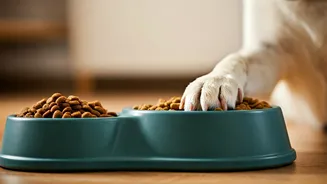
An activity-based plan isn’t static; it should adapt to your dog’s schedule. A canine athlete doesn’t need the same number of calories on a rest day as they do on a heavy training or competition day. This is where the “activity-based” part comes in. Many owners of performance dogs adjust daily food amounts by 10-20% based on the day’s planned exertion. On light days, they feed the baseline amount. On intense days, they increase it. It's also wise to feed your dog their main meal well before or after strenuous exercise—at least two to three hours—to reduce the risk of digestive upset or life-threatening bloat (gastric dilatation-volvulus), especially in deep-chested breeds.
Don't Forget Hydration
No nutritional plan is complete without a focus on hydration. Water is critical for regulating body temperature, transporting nutrients, and flushing out metabolic waste. An active dog can lose a significant amount of water through panting. Always ensure fresh, clean water is available. For dogs engaged in long-duration activities, encourage them to drink small amounts of water frequently during breaks. Dehydration can quickly lead to fatigue, decreased performance, and serious health risks like heatstroke. Some owners even add water or a dog-safe broth to their dog’s kibble to increase their overall fluid intake.