





The Tyranny of the Dinner Plan
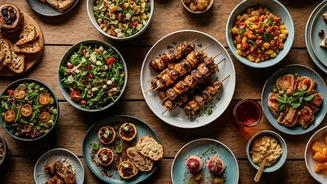
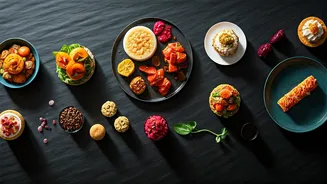
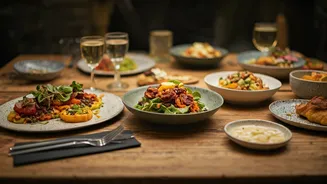
For decades, the dinner party has been the apex of adult socializing. It was a symbol of having arrived: a curated guest list, a thoughtfully planned menu, a clean house, and the right ambient lighting. The process, however, often felt more like a performance
than a party. It involved weeks of back-and-forth scheduling, anxiety over dietary restrictions, and the quiet pressure to produce a meal worthy of a Bon Appétit photo spread. This was hospitality as a high-stakes sport, one where the host was judged on their culinary prowess and interior design choices as much as their ability to foster conversation. For guests, it meant committing to a Saturday night six weeks in advance and bringing the *correct* bottle of wine. It was structured, civilized, and, for a growing number of people, utterly exhausting.
Enter the 'Food Rave'
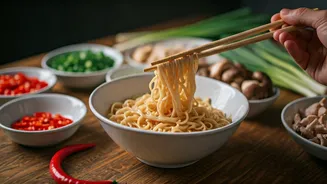
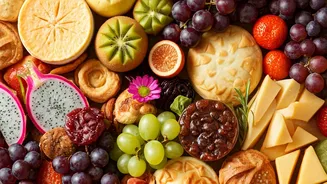
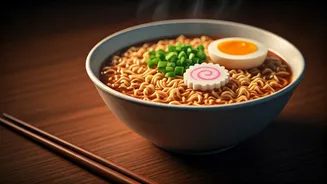
Now, imagine the opposite. It’s 3 p.m. on a Tuesday when a text lands in your group chat: “Noodle Night @ my place, 7 p.m. BYON (Bring Your Own Noodle).” This is the essence of the “food rave”—a term capturing a wave of spontaneous, low-stakes, and often bizarrely-themed gatherings. It’s not about a multi-course meal; it’s about a single, weirdly specific theme. Think “Beige Food Night,” where guests bring anything from mashed potatoes to chicken tenders. Or “Dip Night,” a feast of things to be scooped. Or a “Tasting Party,” where everyone brings a different brand of frozen pizza or canned cocktail to rank. The rules are simple: the barrier to entry is low, the theme is the main event, and perfection is explicitly not the goal. It’s a potluck on an acid trip, designed for maximum fun and minimum stress.
Why Now? A Quest for Low-Stakes Joy
This shift isn't happening in a vacuum. It's a direct response to a world that feels increasingly overwhelming. For Gen Z and younger millennials, the architects of this trend, the polished perfection of the #Girlboss era feels deeply out of touch. After years of curated Instagram feeds and pandemic-induced isolation, there's a powerful craving for authenticity and genuine, unscripted connection. Economic realities also play a huge role. Hosting a formal dinner party is expensive. A food rave, by contrast, democratizes the cost and the effort. Everyone contributes, so no single person bears the financial or logistical burden. It’s a form of social gathering built for a generation navigating inflation, student debt, and sky-high rent. It acknowledges that having friends over shouldn’t require a second mortgage.
More Vibe, Less Work
Ultimately, the food rave prioritizes the vibe over the food itself. The absurdity of a “beige food” theme is a built-in icebreaker. Ranking different types of pickles is inherently funnier and more memorable than making polite small talk over a perfectly seared scallop. These events remove the social pressure to “perform.” You don’t have to be a great cook; you just have to be willing to show up with a bag of chips or a box of mac and cheese. The host isn’t stressed, so the guests aren’t stressed. This creates a relaxed, communal atmosphere where the primary goal is simply to hang out and laugh. It’s a revolutionary concept: a social gathering where the point is to enjoy yourself, not to impress anyone.