


The Land of Broken Moons
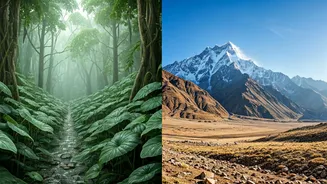
Nestled high in the Indian Himalayas, Ladakh is a place of breathtaking extremes. Often called the “Land of High Passes” or even the “Land of Broken Moons” for its otherworldly terrain, it’s a high-altitude cold desert where the air is thin and the silence
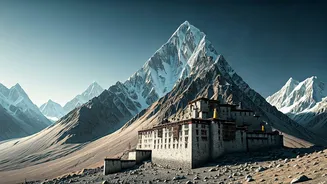
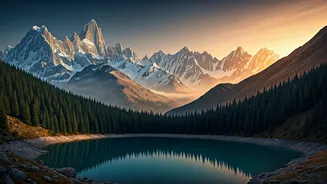
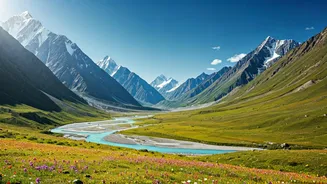
is profound. For centuries, this remote region was accessible only by treacherous mountain passes, preserving a unique Tibetan Buddhist culture. The landscape is dominated by stark, magnificent mountains that seem to change color with the passing of the sun. Trees are a luxury, found only in villages painstakingly irrigated by glacial meltwater. It’s a setting that feels both primal and deeply spiritual, where every sign of life is a testament to resilience.
A River That Defines a Civilization
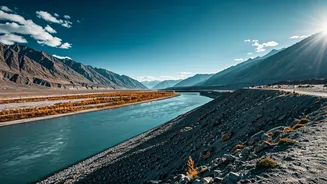
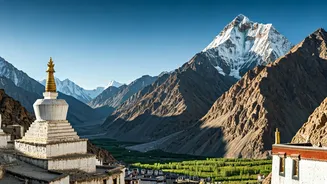
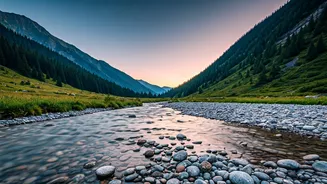
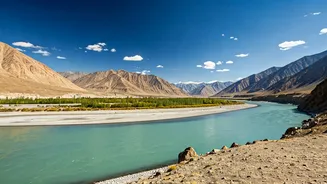
Flowing through this dramatic scenery is the Indus River, known in India as the Sindhu. This is not just any river; it is one of the great waterways of Asia and the cradle of the Indus Valley Civilization, one of the world's oldest. For millennia, it has been revered as a source of life and a sacred entity. In Ladakh, the Indus carves a path through deep gorges and wide valleys, its vibrant blue-green waters a shocking and beautiful contrast to the arid land. Along its banks, small patches of civilization thrive—villages with whitewashed stupas, monasteries perched precariously on cliffs, and fields of barley that shimmer in the intense mountain sunlight. The river isn't just in the landscape; it *is* the landscape’s heart.
The Sindhu Darshan Festival
Each summer, typically in June, the banks of the Indus near the Ladakhi capital of Leh come alive for the Sindhu Darshan Festival. The name literally means “Indus Sighting” or “Indus Vision.” While Ladakh has many ancient monastic festivals, this one is relatively modern, inaugurated in 1997. Its purpose is twofold: to celebrate the Indus River as a symbol of life and to promote a sense of national unity and communal harmony. People from all over India travel to Ladakh for this three-day event, many bringing water from rivers in their own home states. In a powerful symbolic ritual, they merge this water into the mighty Indus, signifying the diverse cultures of India flowing together as one.
A Symphony of Color and Sound
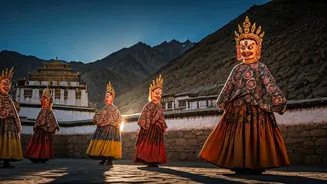
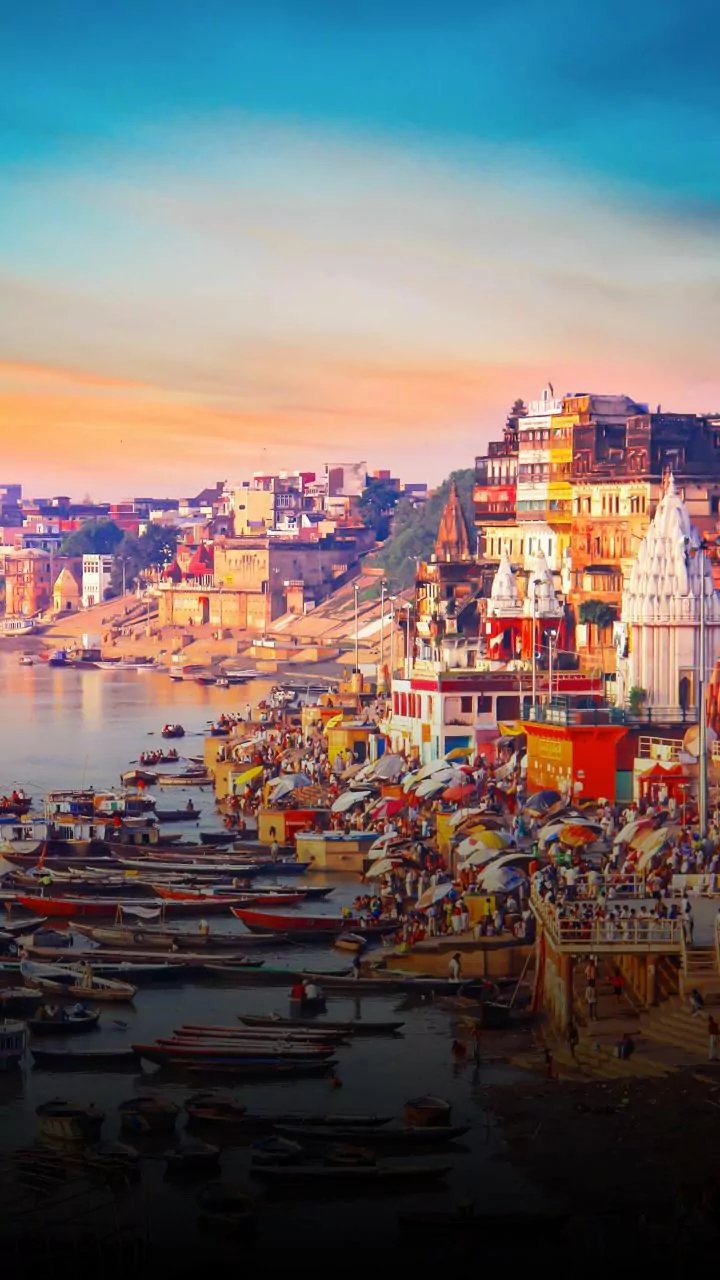
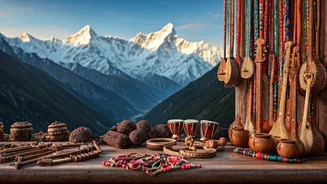
The festival grounds at Shey Manla become a vibrant tapestry of human expression set against the grandeur of nature. The surreal backdrop of the barren Zanskar Range and the flowing Indus is filled with the sounds of drums, horns, and devotional songs. Hundreds of artists in traditional attire perform folk dances from every corner of the country, their brilliant costumes—the rich reds of Rajasthan, the bright greens of Punjab, the intricate brocades of Ladakh itself—exploding with color against the muted earth tones of the valley. The air, usually still, buzzes with energy, prayer, and the shared joy of celebration. It’s a sensory feast where the ancient chants of Buddhist monks mingle with the rhythms of modern India.
A Deeper Meaning on the Roof of the World
More than just a cultural fair, the Sindhu Darshan is a pilgrimage. It’s a journey to a place where nature’s power is undeniable and where that power is intrinsically linked to cultural and spiritual identity. For visitors, it's an opportunity to witness a unique expression of reverence for the natural world. For participants, it's a profound act of acknowledging a shared heritage symbolized by the great river that has nourished the subcontinent for eons. In a region known for its strategic sensitivity, the festival stands as a peaceful assertion of unity and a celebration of the life force that flows, indifferent to human borders, through the heart of the Himalayas.