
From Ornate to Orderly
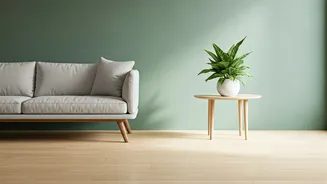
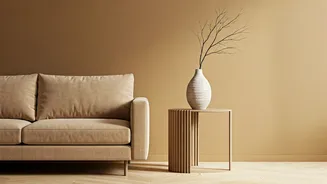
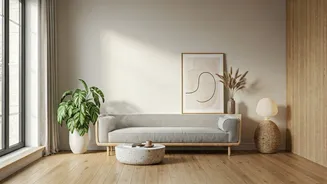
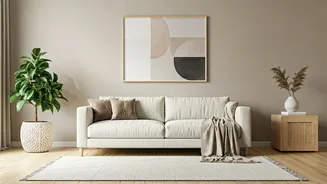
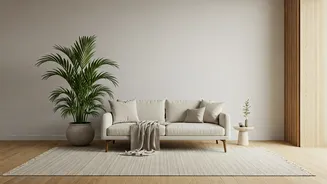
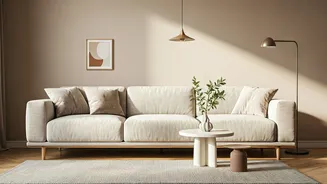
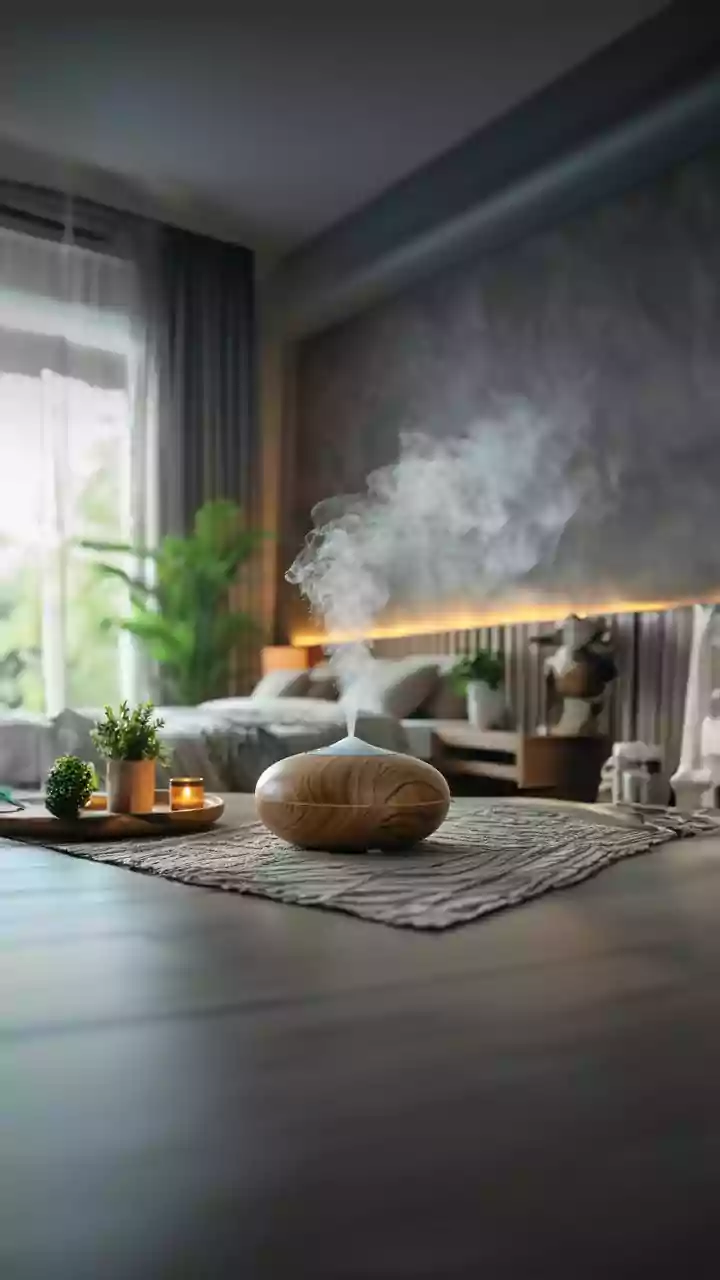
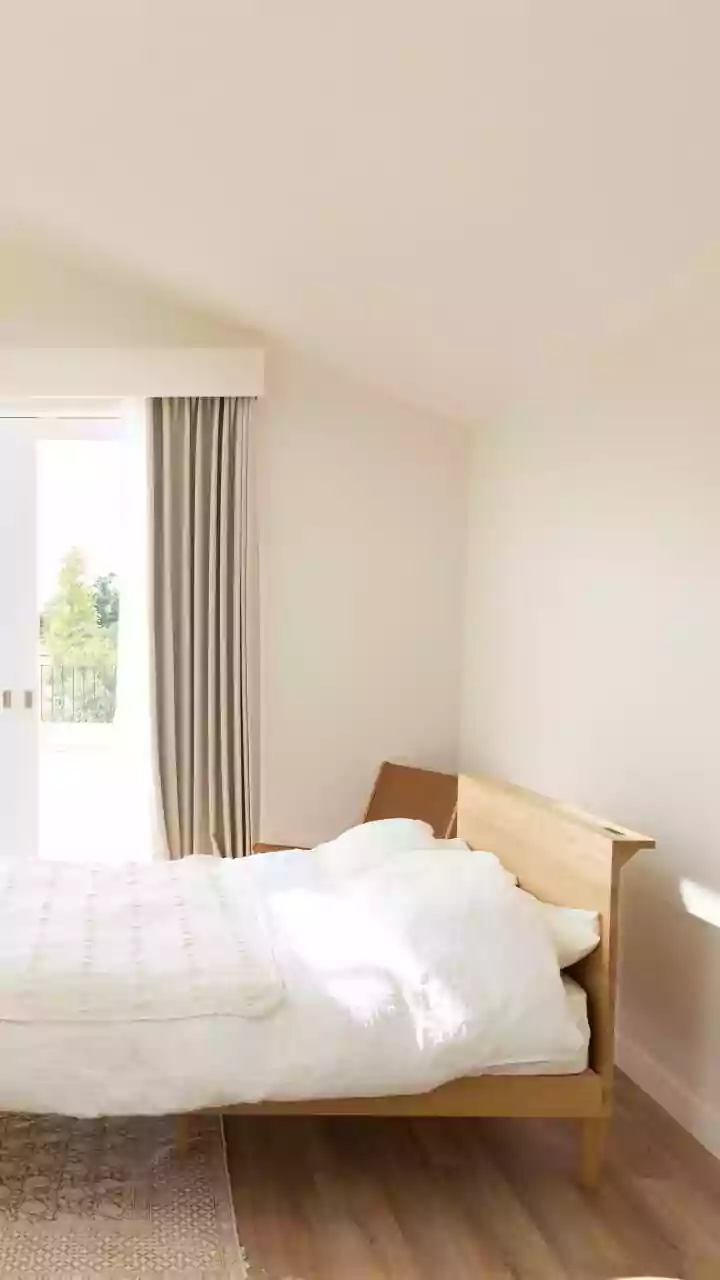
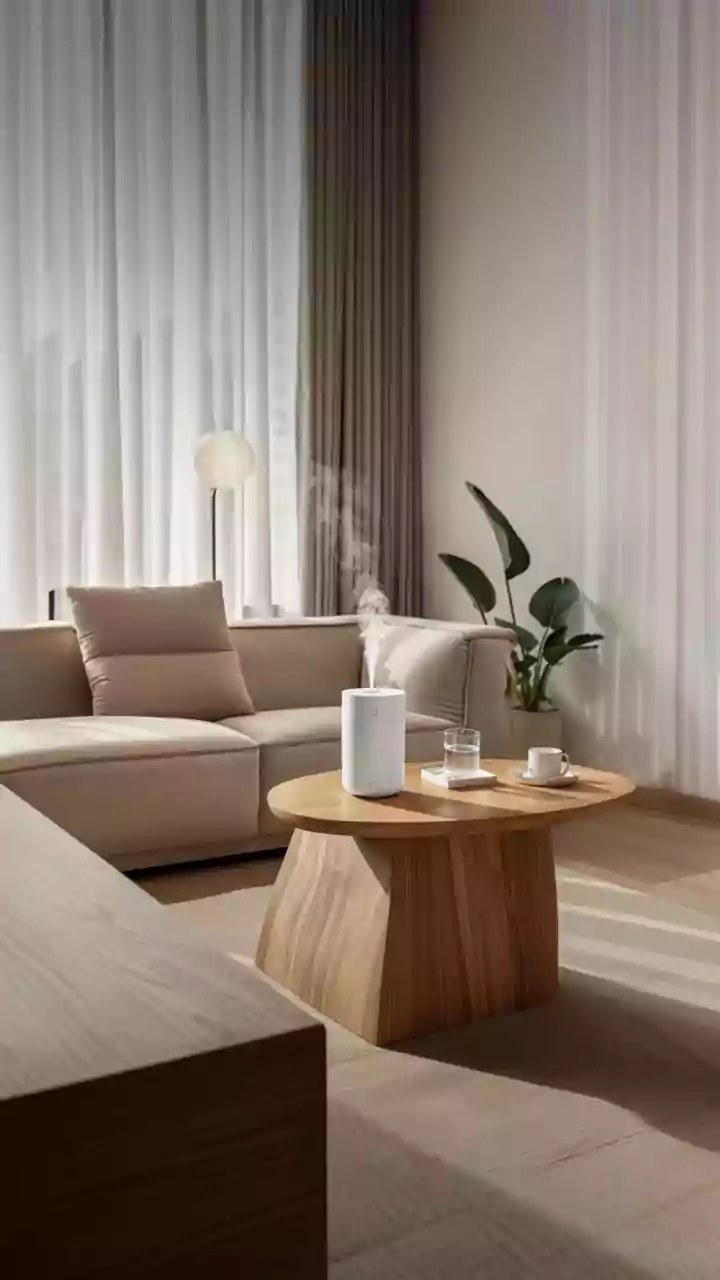
A scroll through the portfolios of India’s leading interior designers reveals a distinct shift. The dominant aesthetic is no longer about overwhelming the senses with maximalist splendor. Instead, it’s about creating a sanctuary. Think uncluttered spaces
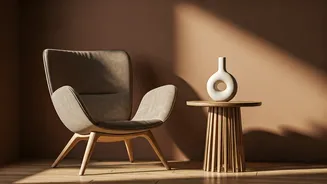
bathed in natural light, with earthy palettes of terracotta, sage, and sand replacing saturated jewel tones. Heavy, dark-wood furniture is giving way to lighter forms, often using sustainable materials like cane, bamboo, and reclaimed teak. The focus has moved from ornamentation for its own sake to a more mindful curation of objects, where each piece serves a purpose or holds personal meaning. This new approach is a direct response to the pressures of modern urban life. In bustling, high-density cities, the home is increasingly seen as a refuge—a place to decompress, recharge, and find mental clarity. The design of that space is now a crucial tool for achieving that peace.
Not Just ‘Indian Japandi’
At first glance, this trend might seem like a simple adoption of global aesthetics like Scandinavian minimalism or the popular “Japandi” style, which blends Japanese and Scandinavian principles. While the influence is there, what’s happening in India is more of a synthesis than a copy. Designers are skillfully weaving these clean, functional philosophies with deeply rooted Indian traditions. The result is something uniquely its own: a style grounded in heritage but built for the 21st century. For instance, the decluttered layouts and emphasis on natural flow echo the ancient principles of Vastu Shastra, a traditional Hindu system of architecture that focuses on creating harmony between humans and their environment. It’s about energy flow, spatial balance, and a connection to the natural world—ideas that resonate perfectly with the modern desire for a calming home.
The Soul of the Space
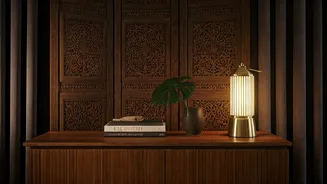
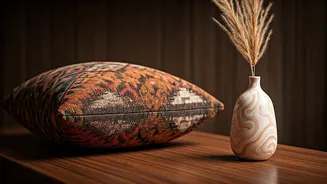
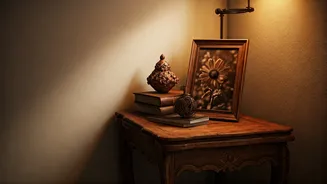
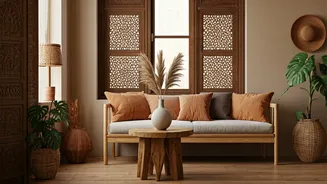
What prevents these spaces from feeling sterile or generic is the continued reverence for Indian craftsmanship. Instead of a room filled with mass-produced decor, the new Indian interior might feature a single, exquisitely crafted piece as a focal point. This could be a modern chair with traditional cane weaving, a sleek console table made from reclaimed wood, or a single large piece of hand-spun textile art on a wall. Local artisans are being celebrated, but their work is being incorporated in a more contemporary context. A hand-carved wooden screen might be used as a simple room divider rather than part of an elaborate furniture set. A set of brass ‘lota’ vessels might be displayed as a minimalist sculptural element. It’s a move away from “ethnic” decor as a theme and towards integrating authentic, handcrafted objects into a clean, functional living space.
Function Finds Its Form
Functionality is the co-pilot of this trend. As urban apartments get smaller and families become more nuclear, every square foot has to work harder. This has driven a demand for intelligent, multi-purpose furniture. Think coffee tables with hidden storage, modular sofas that can be reconfigured for guests, and wall-mounted desks that fold away after the workday. The open-plan living area, once a Western concept, has been fully embraced, creating flexible zones for cooking, dining, working, and relaxing. This practicality is not seen as a compromise on style. On the contrary, the elegance of a well-designed, functional piece is central to the aesthetic. The beauty lies in how seamlessly the home supports the life lived within it, reducing friction and clearing the way for a calmer state of mind.