

1. Follow the Sun, Not the Rules
Before you buy a single seed or pot, become a sunlight detective. This is the single most important factor, and it costs nothing to figure out. Forget what you think you know about your apartment’s light and actually observe it. Where does the sun hit
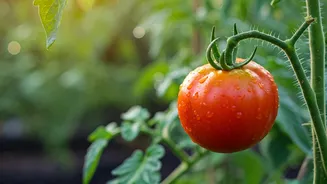
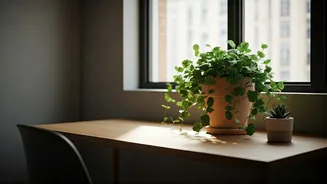
and for how long? A south-facing window or balcony is the gold standard, offering 6+ hours of direct sun perfect for tomatoes, peppers, and most herbs. An east-facing spot gets gentle morning sun, ideal for leafy greens like lettuce and spinach. A west-facing window gets intense afternoon heat, which many plants love but may require more water. North-facing? Don't despair. You’re in the perfect spot for low-light champions like snake plants, pothos, and ZZ plants. Spend a day tracking the light, and you'll know exactly what you can grow.
2. Choose Your Container (and Prioritize Drainage)
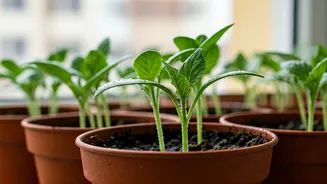
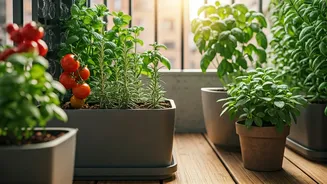
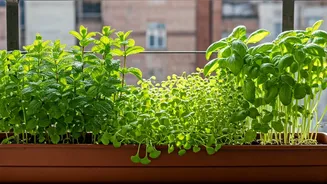
You don't need a row of expensive, matching terracotta pots to start. Your container can be anything from a fabric grow bag to a repurposed colander, a five-gallon bucket, or a window box. The only non-negotiable rule is drainage. Plants hate having “wet feet,” which leads to root rot, the number one killer of container plants. If your chosen pot doesn't have holes in the bottom, you must make them. A drill with a standard bit can easily punch holes in plastic, while a masonry bit is needed for ceramic. If you’re not handy, simply choose pots that already have drainage holes. It's a simple step that solves 90% of beginner problems before they start.
3. Pick Forgiving, High-Reward Plants
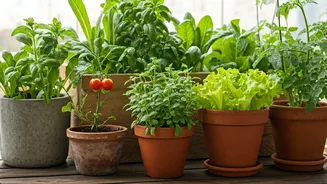
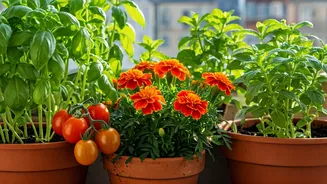
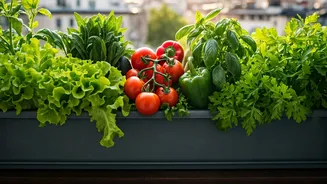
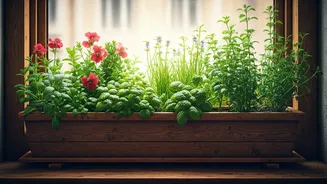
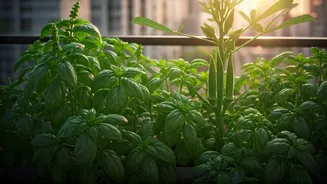
Your first foray into gardening should be rewarding, not frustrating. Set yourself up for success by choosing plants that are famously resilient. For a sunny spot, you cannot go wrong with herbs. Mint is practically indestructible (keep it in its own pot, or it will take over!). Basil grows quickly and tells you when it’s thirsty by wilting dramatically, only to perk right back up after a drink. Rosemary and thyme thrive on neglect and sun. For edible greens, loose-leaf lettuce and arugula can be harvested multiple times using the “cut and come again” method. For flowers, marigolds and zinnias are tough, cheerful, and attract pollinators. Start with one or two of these easy wins to build your confidence.
4. Good Soil is Your Best Investment
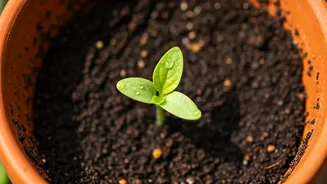
It’s tempting to scoop some dirt from a nearby park, but this is a fatal mistake. Garden soil is too dense for containers, compacting quickly and suffocating plant roots. Your best friend is a bag of high-quality potting mix from any garden center. This is a specially formulated, lightweight blend of ingredients like peat moss, perlite, and compost that holds moisture while allowing for excellent drainage and airflow. It’s sterile, meaning it won’t contain weed seeds or pests. While you can save money on pots, don't skimp on soil. A good potting mix provides the perfect foundation for healthy roots, which in turn means a healthy plant.
5. Master the Art of Watering
More beginners kill plants with kindness (too much water) than with neglect (too little). There is no perfect schedule; watering “every Tuesday” is a recipe for disaster. The only way to know if your plant needs a drink is to check. The classic method is foolproof: stick your finger two inches into the soil. Is it dry? Time to water. Is it damp? Leave it alone and check again tomorrow. When you do water, do it thoroughly until you see water running out of the drainage holes. This ensures the entire root ball is hydrated and flushes out any salt buildup. Then, let the soil dry out appropriately before watering again. This simple rhythm is the key to happy container plants.