




The Collapse of the 'Perfect Diet'
Remember the food pyramid? Or the low-fat craze of the ‘90s, followed swiftly by the Atkins-fueled carb panic of the 2000s? For generations, wellness was presented as a puzzle with one solution—if you could just find the right universal 'hack,' you’d
unlock perfect health. The problem, as millions of frustrated dieters can attest, is that it rarely worked long-term. This collective fatigue with restrictive, one-size-fits-all plans created a cultural vacuum. At the same time, the body positivity and anti-diet movements gained mainstream traction, challenging the very idea that health is synonymous with a certain weight or body type. This perfect storm dismantled the old gospel of restriction and opened the door for a more sustainable, individualized, and compassionate approach to nutrition.
Tech That Listens to Your Body
The biggest driver of this new 'body-aware' era is technology that was once confined to clinics and research labs. The most prominent example is the continuous glucose monitor (CGM). Originally designed for people with diabetes, CGMs are now being used by wellness enthusiasts to get a real-time look at how their bodies respond to specific foods. Seeing your blood sugar spike after a bowl of oatmeal but not after scrambled eggs provides direct, personalized feedback that no generic meal plan ever could. Similarly, at-home microbiome testing services analyze your unique gut bacteria to offer food recommendations tailored to improve digestive health and overall well-being. This isn't about 'good' foods and 'bad' foods anymore; it's about finding the right foods for *your* unique biology.
It’s All in Your Gut (Literally)
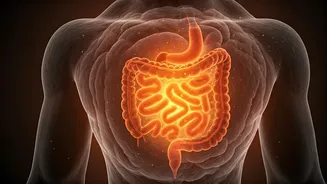
If there’s one scientific concept that has captured the public imagination, it’s the gut microbiome. We now understand that the trillions of bacteria living in our digestive tract influence everything from our metabolism and immune system to our mood and cravings. This has fundamentally shifted the focus of nutrition from simple calorie math to nurturing a healthy internal ecosystem. A 'body-aware' food plan is now likely to prioritize fiber-rich plants, fermented foods like kimchi and kefir, and a diverse diet—not because they're low-calorie, but because they feed the beneficial bacteria that keep your entire system running smoothly. It treats your gut less like a simple fuel tank and more like a complex garden that needs tending.
Beyond the Plate: Hormones and Cycles
This new awareness extends beyond digestion. Another growing trend is 'cycle syncing,' where food and exercise choices are tailored to the different phases of the menstrual cycle. The logic is that hormonal fluctuations throughout the month impact energy levels, metabolism, and nutritional needs. For instance, a plan might emphasize lighter foods and cardio during the follicular phase (when estrogen is high) and focus on nutrient-dense, iron-rich foods and strength training during the luteal phase (when progesterone rises). This approach acknowledges that the body isn't a static machine but a dynamic system with its own rhythms. It’s a powerful example of listening to biological cues that have long been ignored by traditional, male-centric health models.
The Low-Tech Approach: Intuitive Eating
For all the high-tech gadgets, the body-aware movement also has a deeply human, psychological side: intuitive eating. This framework, developed by dietitians in the 1990s but surging in popularity now, is the philosophical core of the anti-diet shift. It encourages people to reject the diet mentality entirely and instead learn to trust their internal hunger and fullness cues. It’s about honoring your cravings without guilt, recognizing how different foods make you feel, and moving your body for joy rather than punishment. While personalized tech gives you the 'what' and 'why' through data, intuitive eating provides the 'how'—a way to build a healthy, peaceful relationship with food for life, no app required.