


The Desert Monsoon Myth
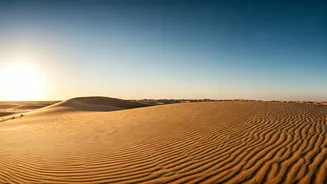
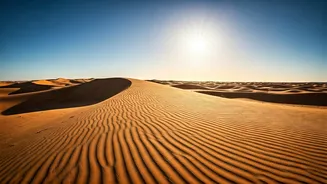
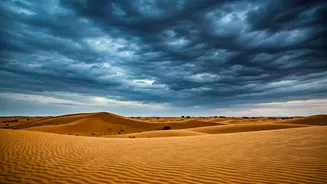
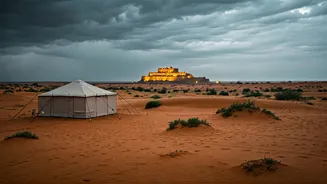
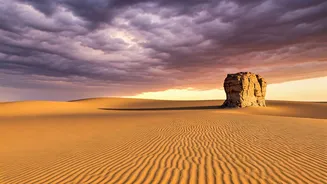
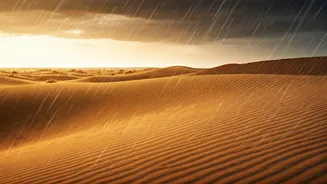
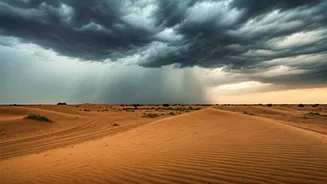
Let’s clear up the first question: won’t a monsoon trip be a washout? Not in the Thar Desert. Unlike the torrential downpours that drench other parts of India from July to September, Jaisalmer experiences a far gentler version of the season. Think short,
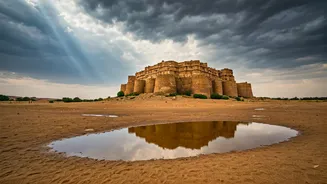
dramatic bursts of rain that pass quickly, leaving behind clean air and dramatically transformed skies. The real magic isn’t the rain itself, but its effect. The oppressive pre-monsoon heat, which can soar above 110°F, gives way to more manageable daytime temperatures in the 90s. More importantly, the evenings and nights become genuinely pleasant, dropping into the comfortable 70s. This is the “cool evenings” promise, and it completely changes the character of the city, turning it from a place of daytime survival into one of nighttime leisure.
Your Own Private Kingdom
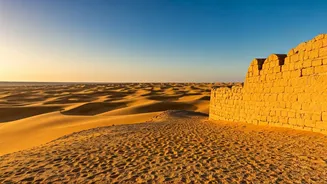
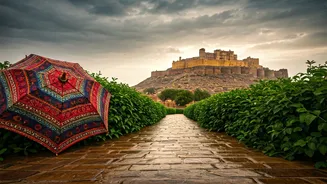
Jaisalmer's peak tourist season runs from October to March, when the weather is dry and cool. During those months, the ancient fort, narrow alleyways, and stunning sandstone havelis (ornate private mansions) teem with visitors. But in the monsoon, the crowds evaporate. This is your chance to experience the city as it feels to its residents—calm, expansive, and a little more personal. You can wander through the magnificent Jaisalmer Fort, one of the few “living forts” in the world with shops and homes inside, without jostling for space. Photographers will relish the opportunity for clean shots of intricate architecture. Furthermore, this is the off-season, which translates directly to savings. Hotels and guesthouses often offer significant discounts, allowing you to stay in more luxurious accommodations for a fraction of the peak-season price.
A Desert in Fleeting Bloom
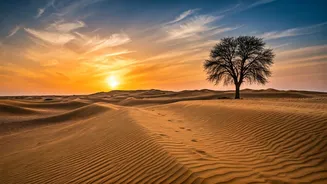
Perhaps the most poetic reason to visit during the monsoon is to witness a rare and fleeting natural spectacle: a desert turning green. The scant rainfall is just enough to awaken dormant seeds, blanketing patches of the arid landscape in a delicate, temporary layer of vegetation. The sky, washed clean of desert dust, becomes a brilliant, saturated blue, creating a stunning contrast with the honey-colored sandstone of the city. For a few short weeks, the stark beauty of the Thar Desert is softened. It's a subtle transformation, not a lush jungle, but that’s what makes it so special. It’s a sight that few travelers ever get to see, offering a unique perspective on this ancient landscape and a deeper appreciation for the resilience of nature.
What to Do in the Golden City
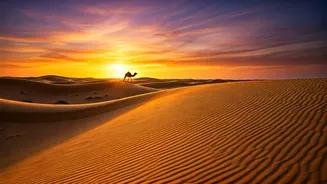
The cooler weather opens up a world of activities that can be exhausting in the peak heat. Spend your days exploring the labyrinthine streets of Jaisalmer Fort, admiring the intricate facades of Patwon Ki Haveli and Nathmal Ki Haveli without breaking a sweat. As evening descends, find a seat at one of the many rooftop cafes. Sipping a chai while watching the sunset over the cooled-off city is an essential monsoon experience. While deep desert safaris on camels might be slightly modified due to weather, shorter excursions are often still available and provide a chance to see the uniquely green-tinged dunes. You can also visit the serene Gadisar Lake, which becomes fuller and more picturesque after the rains, attracting a variety of birdlife.
A Few Practical Tips
Packing for a desert monsoon requires a bit of strategy. Bring lightweight, breathable clothing for the daytime, but also pack a light jacket or long-sleeved shirt for those surprisingly cool evenings. A waterproof windbreaker is a must for the occasional shower. While most major attractions remain open, it’s wise to confirm the operating hours for more remote sites. Roads can be affected by the rain, though major routes to Jaisalmer are typically reliable. Finally, embrace the slower pace. The monsoon season is a time for relaxation and atmosphere. Let go of a packed itinerary and allow yourself to simply soak in the unique ambiance of a rain-kissed desert city.