
Meet Sattu: The Humble Powerhouse
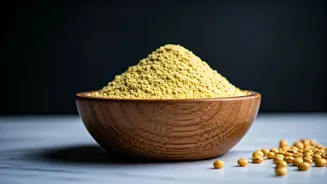
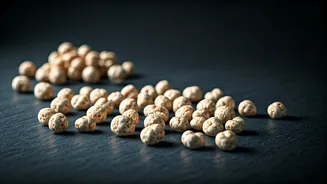
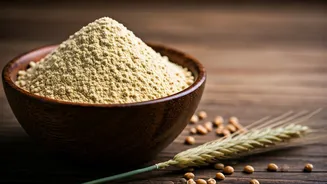
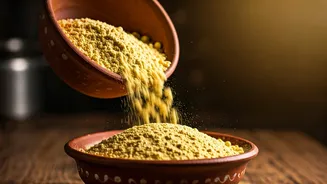
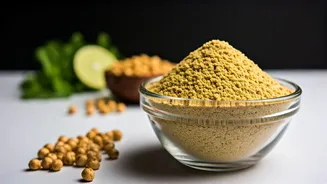
Let’s get acquainted with sattu. At its simplest, sattu is a flour made from roasted grains and legumes, most commonly Bengal gram (a relative of the chickpea). Think of it as the rustic, more interesting cousin of chickpea flour. The roasting process
is key; it gives sattu a wonderfully nutty, earthy flavor and makes it ready to eat without any cooking. It’s a fine, pale-yellow powder that has long been a cornerstone of the diet in the Indian states of Bihar, Jharkhand, and parts of Uttar Pradesh, where it’s valued for being affordable, shelf-stable, and incredibly nourishing.
A Centuries-Old Survival Food
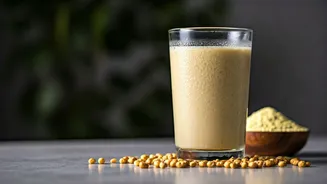
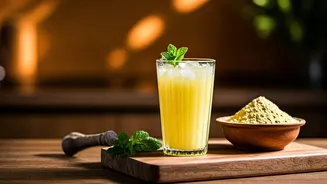
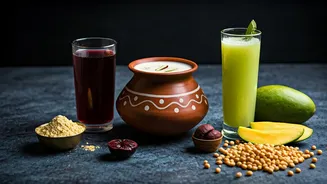
Before it was a trending wellness ingredient, sattu was the original instant meal. For generations, farmers and laborers in India have relied on it for sustenance during long, hot workdays. Its most traditional form is a simple, refreshing drink called *sattu sharbat*. To make it, you just mix a few spoonfuls of sattu with cold water, a pinch of salt (or a little sugar for a sweet version), and maybe a squeeze of lime and some roasted cumin. The result is a cooling, hydrating, and surprisingly filling beverage that provides slow-release energy, earning it the nickname “poor man’s protein.” It’s also used as a doughy filling for a beloved Bihari dish called *litti*, a roasted whole-wheat ball served with smoky mashed vegetables—a complete meal in itself.
The 'Super-Snack' Nutrition Breakdown
So, what’s behind sattu’s recent glow-up? The nutrition label tells the story. This humble flour is a plant-based protein juggernaut, packing around 20 grams of protein per 100-gram serving. It’s also incredibly rich in insoluble fiber, which is fantastic for digestive health and keeps you feeling full for hours, helping to curb mindless snacking. Unlike many refined flours, sattu has a low glycemic index, meaning it won’t cause a dramatic spike in your blood sugar. It’s naturally gluten-free and loaded with essential minerals like iron, magnesium, and manganese. In a world saturated with highly processed protein powders full of mysterious additives, sattu stands out for its simplicity: it’s a whole food, pure and simple.
From Rural Staple to Urban Smoothie
The transformation from regional staple to “super-snack star” lies in its versatility. Health-conscious city dwellers in India and a growing number of foodies in the U.S. have discovered that sattu is the perfect addition to a modern diet. Its nutty flavor blends seamlessly into smoothies, providing a protein and fiber boost without the chalky texture of some whey or soy powders. Fitness enthusiasts are mixing it into post-workout shakes. Home bakers are using it to create gluten-free pancakes, cookies, and energy bars. This ancient ingredient is effortlessly bridging the gap between traditional wisdom and contemporary wellness goals, showing up in hip cafes and on the pages of health blogs alike.
How to Bring Sattu into Your Kitchen
Ready to give it a try? You don’t need to be a master chef. The easiest entry point is the classic sattu drink. Just whisk two tablespoons of sattu into a glass of chilled water, add a pinch of black salt and a squeeze of lemon, and you’ve got a savory, refreshing cooler. For a morning boost, stir a tablespoon into your oatmeal, yogurt, or pancake batter. You can also mix it with a little water, spices, and chopped onion to create a savory paste to use as a sandwich spread or a filling for flatbreads. You can find sattu at any well-stocked Indian grocery store or through online retailers, where it’s often sold simply as “roasted gram flour.”