



The Soul of a City in a Bowl
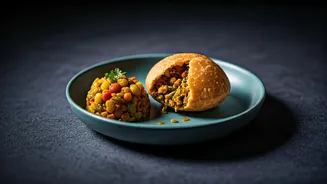
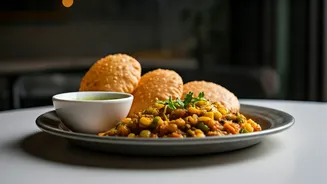
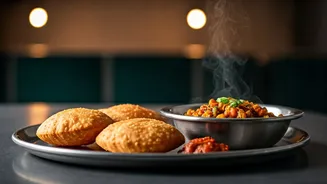
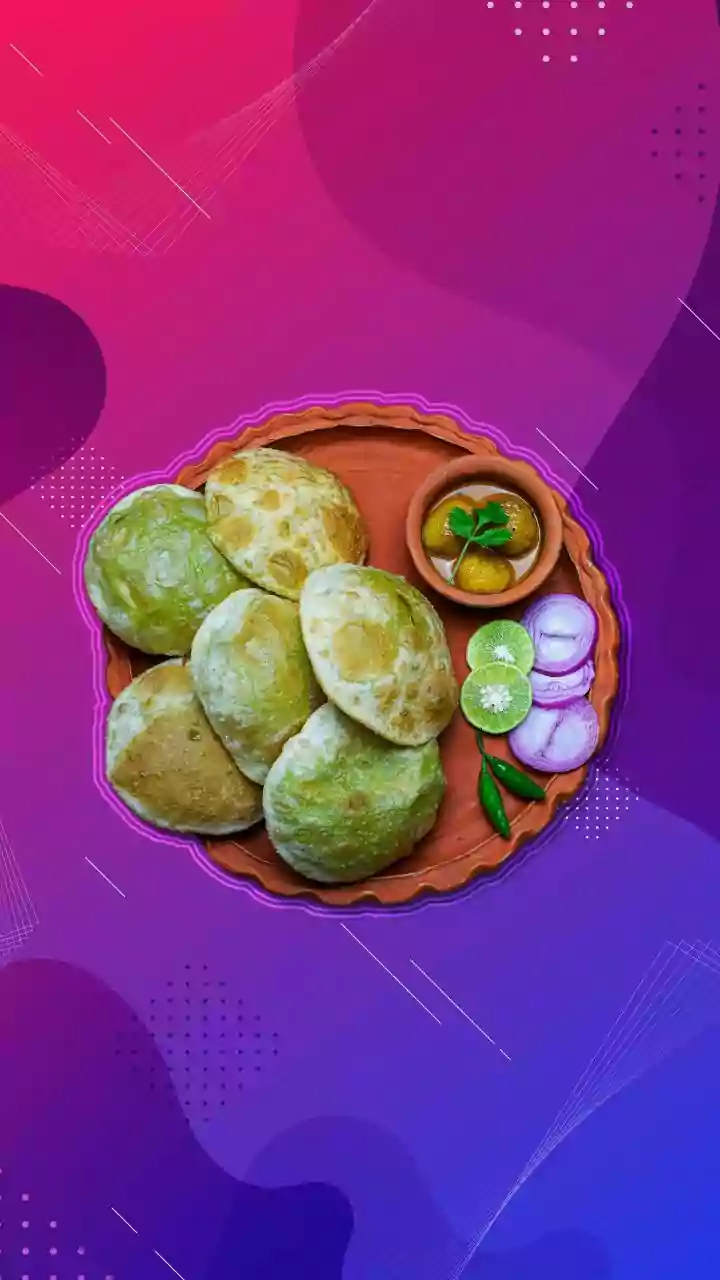
Before we get to the makeover, let’s talk about the original. Banarasi Kachori Sabji is the unofficial breakfast of Varanasi, one of India's oldest and most sacred cities. It’s a dish of two parts. First, the kachori: a small, round, deep-fried pastry,
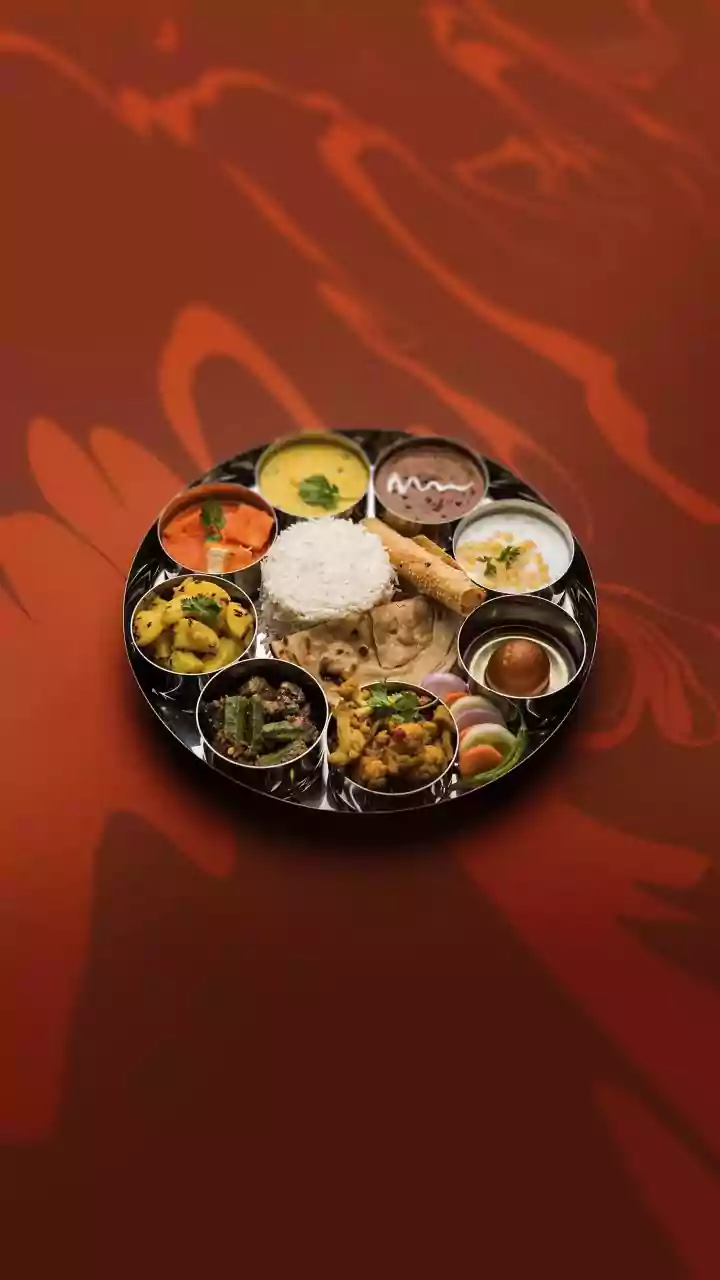
puffed like a golden orb. It’s crispy on the outside, and often stuffed with a savory filling of lentils and spices. Then comes the sabji: a piping hot, slightly spicy, and tangy potato curry. It's not a subtle dish. It’s served unceremoniously in a leaf bowl or a simple plate, with the kachori often crushed slightly to soak up the glorious gravy. A final garnish of fresh cilantro, maybe some chopped onions or a zesty chutney, and you have a meal that is simultaneously breakfast, lunch, and a full-body hug. It’s the kind of food people line up for at 7 a.m. at decades-old street stalls, a taste of tradition passed down through generations.
From Dusty Streets to Polished Plates
The traditional way to eat Kachori Sabji is standing up, jostled by the morning crowd, with the sounds of the city as your soundtrack. It’s a communal, democratic experience—rickshaw drivers, students, and businessmen all eating the same delicious thing. The magic is in its accessibility and its unpretentious, flavor-forward nature. But in the culinary world, what is sacred and traditional is also often ripe for reinterpretation. As Indian cuisine continues its global ascent, chefs both in India and across the U.S. are looking inward, taking the complex flavors of their childhood and presenting them through a modern, global lens. They are asking a fundamental question: What happens when you take a dish from the street and put it on a polished, porcelain plate?
Deconstructed, Reimagined, and Instagram-Ready
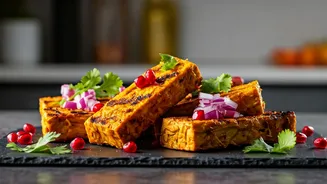
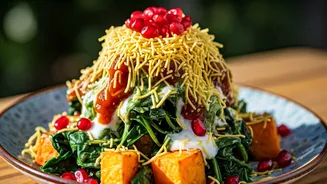
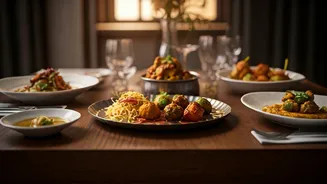
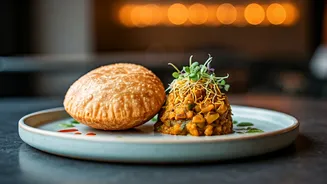
So what does a “cool cafe” makeover of Kachori Sabji even look like? Forget the humble bowl. Think a long, rectangular plate. Instead of a whole, puffy kachori, you might find artistic, broken shards of the crisp pastry arranged like modernist architecture. The sabji, instead of being a hearty pool of curry, might be a refined, velvety potato purée swirled elegantly across the plate. The chutneys—tamarind and mint—are no longer just dolloped on top but applied in delicate dots or a painterly smear. Maybe there’s a micro-herb garnish or a sprinkle of edible flowers. The name on the menu might be something like “Deconstructed Kachori with Spiced Potato Espuma.” It's designed to be photographed before it's eaten. The core flavors might still be there—the spice, the tang, the crunch—but the form, texture, and experience are entirely new. It's less of a hearty meal and more of a culinary statement.
The Global Craze for Elevated Street Food
This isn't a phenomenon unique to Indian food. All over the world, street food is getting the fine-dining treatment. Tacos are filled with high-end ingredients and served for $15 a pop. Vietnamese Banh Mi is reimagined with artisanal bread and house-cured meats. This trend speaks to a larger shift in our food culture. First, it’s a sign of respect. Chefs are acknowledging that the flavors born on the street are just as complex and worthy of celebration as any classic European dish. Second, it’s about discovery. For a new generation of diners, especially in the U.S., a deconstructed dish can be an approachable entry point into a cuisine they might not be familiar with. It bridges the gap between the unknown and the familiar aesthetics of modern dining. And finally, in a world dominated by social media, a beautiful plate is a marketable one. The “Instagrammable” dish is a powerful tool for any modern cafe or restaurant.