



The Golden City's Green Secret
Mention a trip to India’s Thar Desert during the monsoon, and you’ll likely be met with confused looks. From June to September, much of the subcontinent is drenched in a legendary deluge. Travel guides often advise tourists to stick to drier regions.
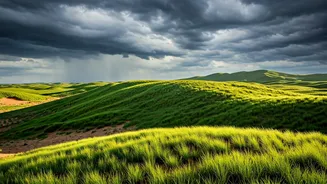
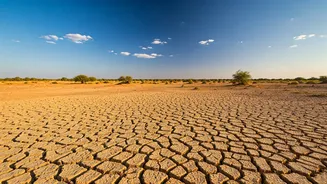
Yet for the ancient fortress city of Jaisalmer, perched on a sandstone ridge in Rajasthan, this season is not one to avoid. Instead, it’s a time of quiet transformation, when the “Golden City” reveals an alter ego few travelers ever get to see. The oppressive heat of summer breaks, the tourist crowds thin to a trickle, and the parched landscape around the city blushes with an impossible, temporary green. It’s a paradox made possible by a phenomenon known as a rain shadow.
An Intro to Rain-Shadow Magic
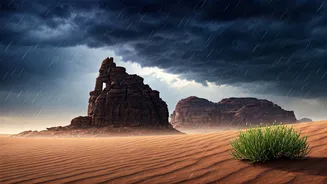
The secret to Jaisalmer’s unique monsoon experience lies in its geography. To the southeast, the Aravalli Range, one of the world's oldest mountain chains, runs diagonally across Rajasthan. As the moisture-laden monsoon winds blow in from the Arabian Sea, they are forced to rise over these hills. This ascent causes the air to cool and release its moisture as heavy rainfall on the windward side of the mountains, nourishing cities like Udaipur and Mount Abu. By the time the clouds pass over the Aravallis and descend toward the Thar Desert, they have been stripped of most of their water. Jaisalmer, lying in the “shadow” of the mountains, receives only the faintest whisper of the monsoon. It’s enough to change the scenery dramatically, but not enough to cause the flooding and travel disruptions seen elsewhere.
A Desert Reborn, Briefly
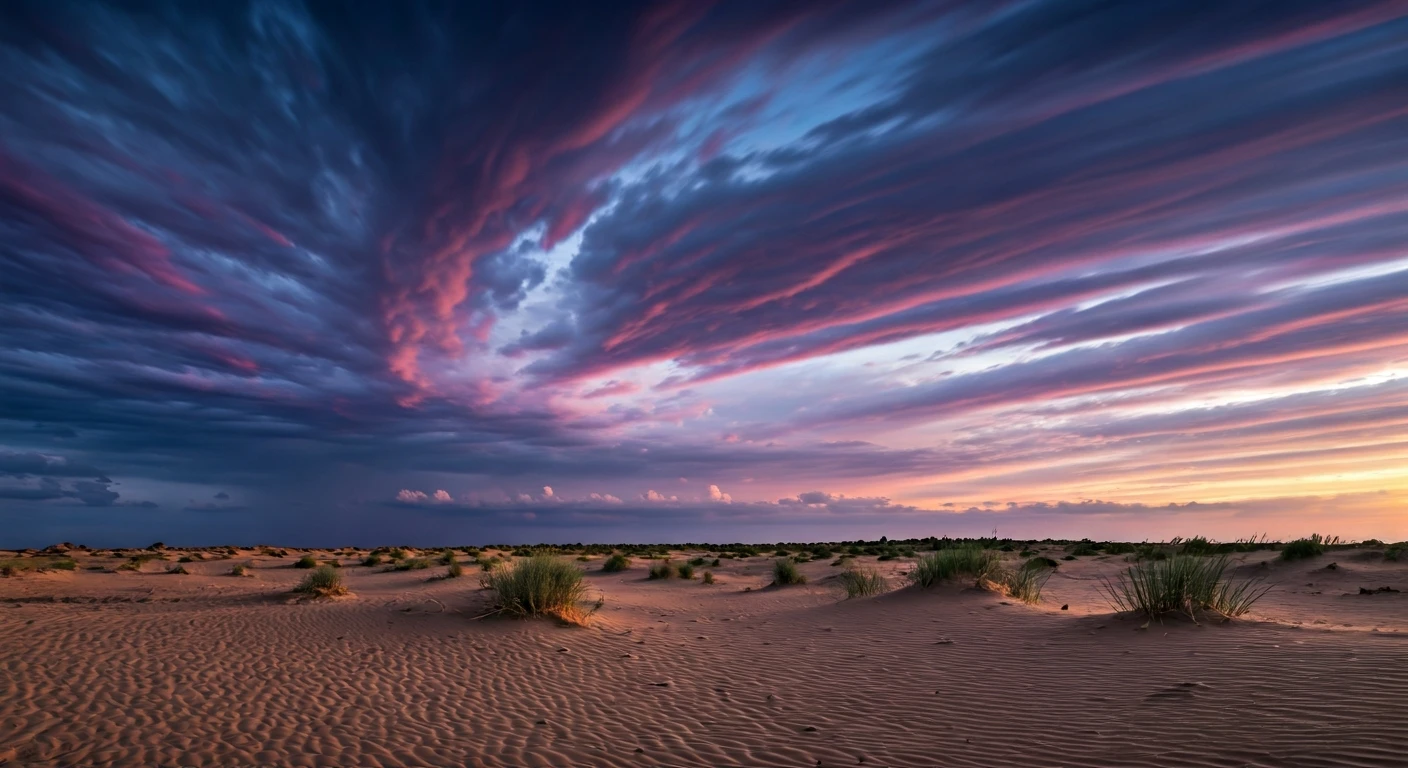
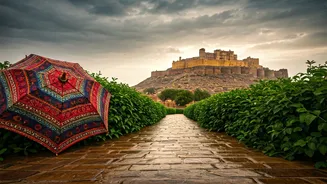
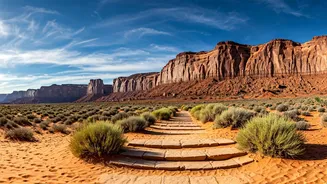
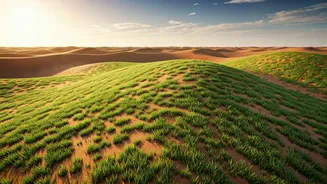
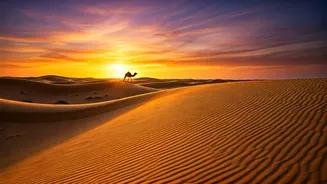
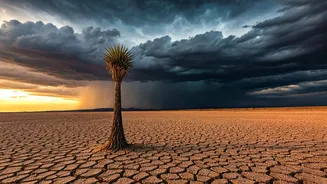
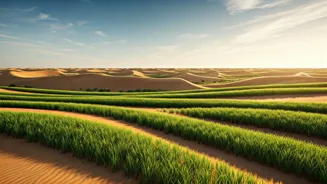
So what does a little bit of rain actually do to a desert? In Jaisalmer, it’s pure magic. The sporadic showers are just enough to awaken dormant life. Within days, a thin carpet of grass and wildflowers can sprout across the sandy plains. Temporary, shallow lakes—some no bigger than a large pond—appear out of nowhere, creating stunning, mirror-like reflections of the ancient fort. Local villagers call these ephemeral bodies of water “paliwals.” The sudden appearance of water and vegetation draws out incredible wildlife. Peacocks, India’s national bird, seem to be everywhere, their vibrant plumage a shocking jewel tone against the muted gold of the desert. The sky puts on its own show, with dramatic, bruised-purple clouds rolling over the horizon, offering a spectacular backdrop for sunset over the city’s ornate havelis and cenotaphs.
The Savvy Traveler’s Reward
Beyond the natural beauty, visiting Jaisalmer during this off-peak season comes with significant practical advantages. With the crowds gone, you can explore the magnificent Jaisalmer Fort—a living citadel where thousands of people still reside—without jostling for space. You’ll find that hotel rates are often slashed, and you can get a room with a magnificent view for a fraction of the high-season price. The experience feels more authentic. Shopkeepers have more time to chat, guides are more relaxed, and you get a sense of the city’s true rhythm. The cooler, cleaner air makes exploring the winding lanes a pleasure rather than an endurance test. It’s an opportunity to see a world-famous destination in its most intimate and peaceful state, a reward reserved for those willing to travel against the grain.