



A Journey to the Roof of the World
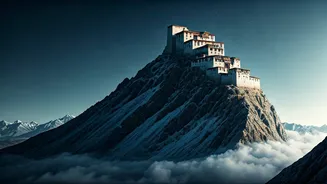
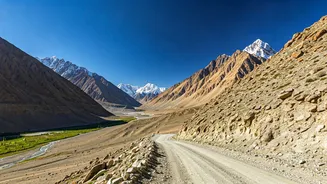
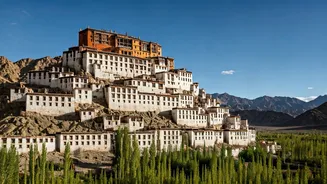
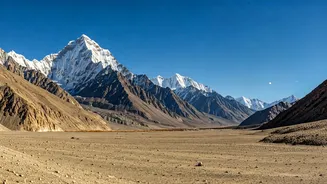
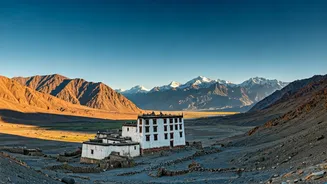
Before the first drumbeat, the journey itself is a pilgrimage. Ladakh, a high-altitude desert often called “Little Tibet,” is a region of breathtaking, almost lunar, beauty. Nestled in India’s far north, it’s a land of jagged peaks, turquoise rivers,
and ancient Buddhist monasteries clinging to sheer cliffs. Reaching Hemis Gompa, the largest and wealthiest monastery in Ladakh, requires navigating winding mountain roads that offer stunning and sometimes dizzying views. The stark landscape and thin air create a sense of being on a different plane of existence, preparing visitors for an experience that transcends the everyday. For the global cultural enthusiasts mentioned in the headlines, this trek is part of the appeal—a shedding of the modern world’s noise in preparation for witnessing a deeply sacred event.
Honoring a Second Buddha
At its heart, the Hemis Festival is a two-day celebration marking the birth anniversary of Guru Padmasambhava, also known as Guru Rinpoche. Revered as the “second Buddha,” he is credited with bringing Tantric Buddhism to Tibet and the Himalayan region in the 8th century. The festival is a living expression of gratitude and devotion. For Ladakhis, it’s a deeply spiritual affair, a time to reaffirm their faith and receive blessings. The event revolves around a central tenet: the victory of good over evil. Every dance, every chant, and every ritual is steeped in centuries of tradition, intended not as mere performance but as a powerful spiritual enactment. The monastery’s head lama presides over the ceremonies, ensuring every detail aligns with ancient custom.
The Sacred Dance of the Chaam
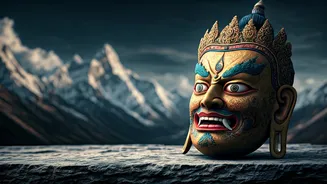
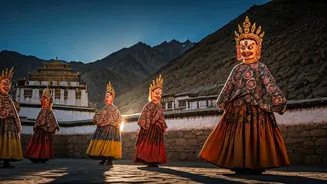
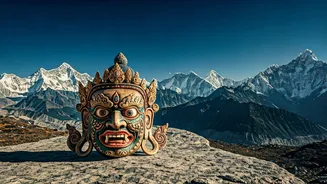
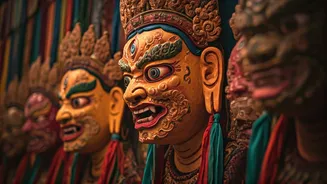
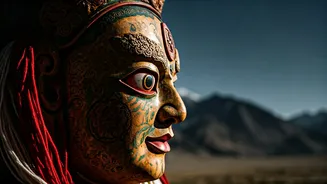
The main draw and most visually spectacular part of the festival is the *chaam*, a series of sacred masked dances. Monks, trained for years, don elaborate costumes and massive, often fearsome-looking masks representing various deities, demons, and protector spirits. To the sound of clashing cymbals, booming drums, and droning horns, they perform slow, deliberate, and hypnotic movements within the monastery's main courtyard. These dances aren’t entertainment; they are a form of meditation and a religious spectacle. Each mask has a specific meaning, and the narrative of the dances often depicts the vanquishing of malevolent forces, purifying the land and its people. For an outsider, it’s a dazzling, sometimes overwhelming, sensory experience—a whirlwind of color, sound, and profound symbolism that feels both ancient and immediate.
Where Ancient Tradition Meets a Global Audience
Walking through the crowded courtyard of Hemis Gompa during the festival reveals a fascinating cultural crossroads. You’ll see local Ladakhi families dressed in their finest traditional attire—women adorned with turquoise-studded headdresses called ‘peraks’ and men in woolen ‘gouchas’—mingling with saffron-robed monks and a diverse crowd of international visitors. Backpackers, professional photographers, and spiritual seekers from the U.S., Europe, and beyond gather, cameras and smartphones in hand, to witness the spectacle. This convergence doesn't dilute the festival's authenticity; instead, it highlights its power. In a world of fleeting digital trends, the Hemis Festival offers a powerful connection to something tangible, ancient, and deeply human. It's a reminder that some traditions are so profound they can bridge continents and centuries, drawing people from all walks of life to a remote Himalayan courtyard to witness the divine.