





The New Vacation Reality
Let’s start by validating the anxiety: this isn’t just a fluke. The headlines about tourists being airlifted from hiking trails in Greece or collapsing at the Colosseum in Rome are becoming a grim summer tradition. Popular destinations from the Mediterranean
to the American Southwest are experiencing prolonged, record-shattering heatwaves. What was once a predictable 'hot summer day' is now often a dangerous, multi-week 'heat dome' event. The World Meteorological Organization and the EU’s Copernicus service have confirmed that recent summers have been the hottest on record. This isn't about being 'soft' or unable to handle the heat; it's about acknowledging that the baseline conditions for travel in July and August have fundamentally changed.
Don't Cancel, Calibrate
The knee-jerk reaction might be to scrap your plans and hide in the A/C until October. But the goal isn’t to stop traveling; it’s to travel smarter. Instead of canceling your dream trip, it’s time to calibrate your expectations and your itinerary. Think of yourself as a savvy travel strategist, not a victim of the weather. This new climate reality requires flexibility, creativity, and a willingness to abandon the old playbook of cramming every outdoor activity between 11 a.m. and 4 p.m. The best trips are now the ones that are designed *with* the heat in mind, not in spite of it.
Rethink Your 'When' and 'Where'
The most powerful tool in your new travel arsenal is timing. The concept of the 'shoulder season'—April, May, September, and October—is no longer just a budget-friendly tip; it’s a climate-savvy strategy. Visiting southern Europe in the fall instead of the summer means you get pleasant weather, fewer crowds, and a genuinely more enjoyable experience. Alternatively, use the summer months to explore cooler destinations. Think Scandinavia, the Pacific Northwest, Canada, or even the mountains of Northern Italy instead of its sweltering southern coast. The world is vast, and shifting your 'where' can be as effective as shifting your 'when'.
Master the Art of the Siesta
If you are set on a hot destination in peak season, it’s time to live like the locals have for centuries. Adopt the siesta lifestyle. Your new schedule should be: wake up early for sightseeing when the air is cool, explore ancient ruins or walk through city streets, and wrap up by noon. The brutal afternoon hours, from roughly 1 p.m. to 5 p.m., are for indoor activities. This is your prime time for a long, leisurely lunch in an air-conditioned restaurant, a visit to a cool museum, a nap back at your hotel, or a dip in the pool. Then, as the sun begins to dip and the temperatures ease, you re-emerge for evening strolls and late dinners, just like they do in Madrid or Athens.
Pack for Survival, Not Just Style
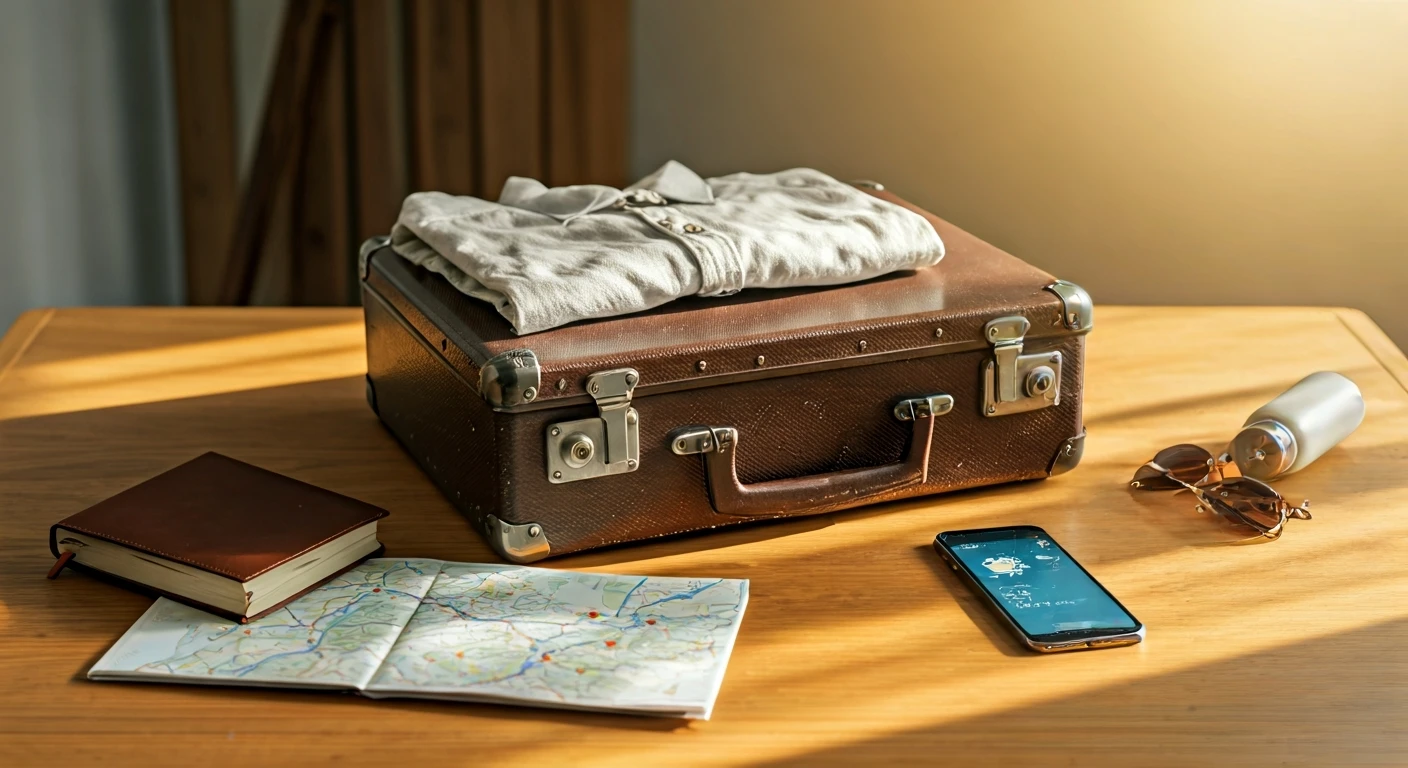
Your packing list needs an update. Alongside your cute outfits, add items that are genuinely functional for heat management. Lightweight, loose-fitting clothes in natural fabrics like linen and cotton are non-negotiable. But also consider adding a few key items: electrolyte packets or tablets to add to your water, a reusable insulated water bottle to keep liquids cold, a wide-brimmed hat, and a cooling towel. These small, packable items can make a world of difference when you’re facing a day of sightseeing in intense heat. And don't forget to book accommodations with reliable air conditioning—this is no longer a luxury, but a critical piece of travel infrastructure.
Check the Fine Print on Insurance
Finally, let’s talk logistics. Before you book, understand what your travel insurance does and does not cover. Standard policies often don't allow you to cancel a trip just because it's unpleasantly hot. Extreme weather events like hurricanes might be covered, but a heatwave, even a record-breaking one, usually isn't. Look for 'Cancel For Any Reason' (CFAR) policies. They are more expensive but offer the ultimate flexibility, allowing you to recoup a significant portion of your costs if you decide the risk or discomfort isn't worth it. Reading the fine print is boring, but in this new climate, it's an essential part of responsible travel planning.