
Beyond the Buffet Mentality
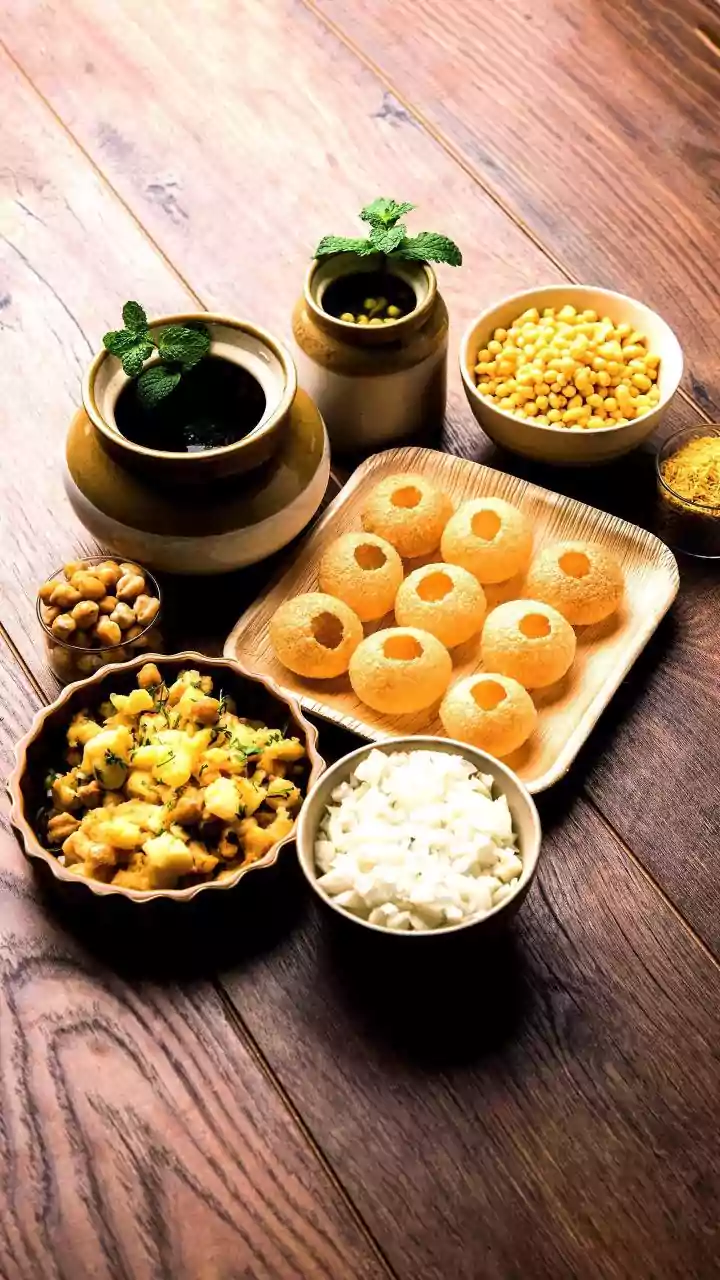
Let’s be honest: when many Americans think of “Indian food,” they picture a specific menu. It’s likely creamy butter chicken, pillowy naan bread, and deep-fried samosas. While undeniably delicious, this version represents just a sliver of South Asian
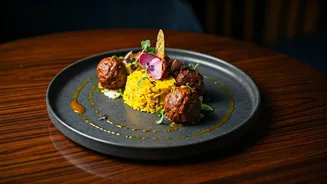
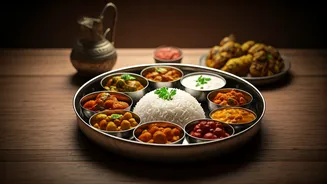
cuisine—specifically, the rich, restaurant-style dishes, primarily from North India, that were most successfully exported to the West. This version of Desi food became categorized as a “weekend treat” or a “heavy indulgence,” something you’d order for takeout but rarely cook on a Tuesday night. But this perception completely overlooks the reality of how hundreds of millions of people on the subcontinent and in diaspora homes actually eat every single day: meals that are balanced, vegetable-forward, and built on a foundation of inexpensive pantry staples.
The Real Stars: Lentils, Grains, and Spices
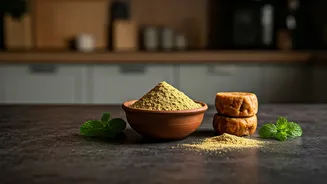
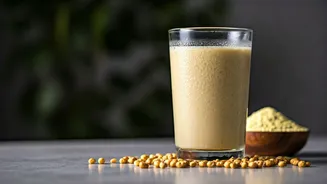
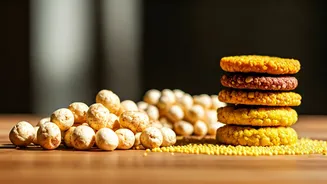
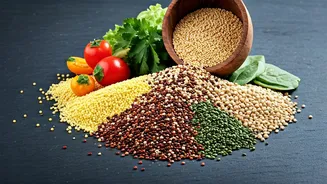
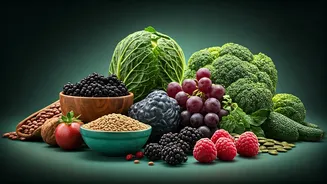
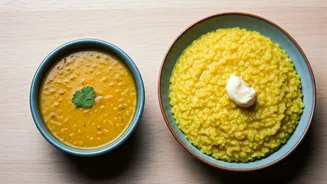
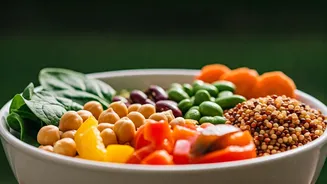
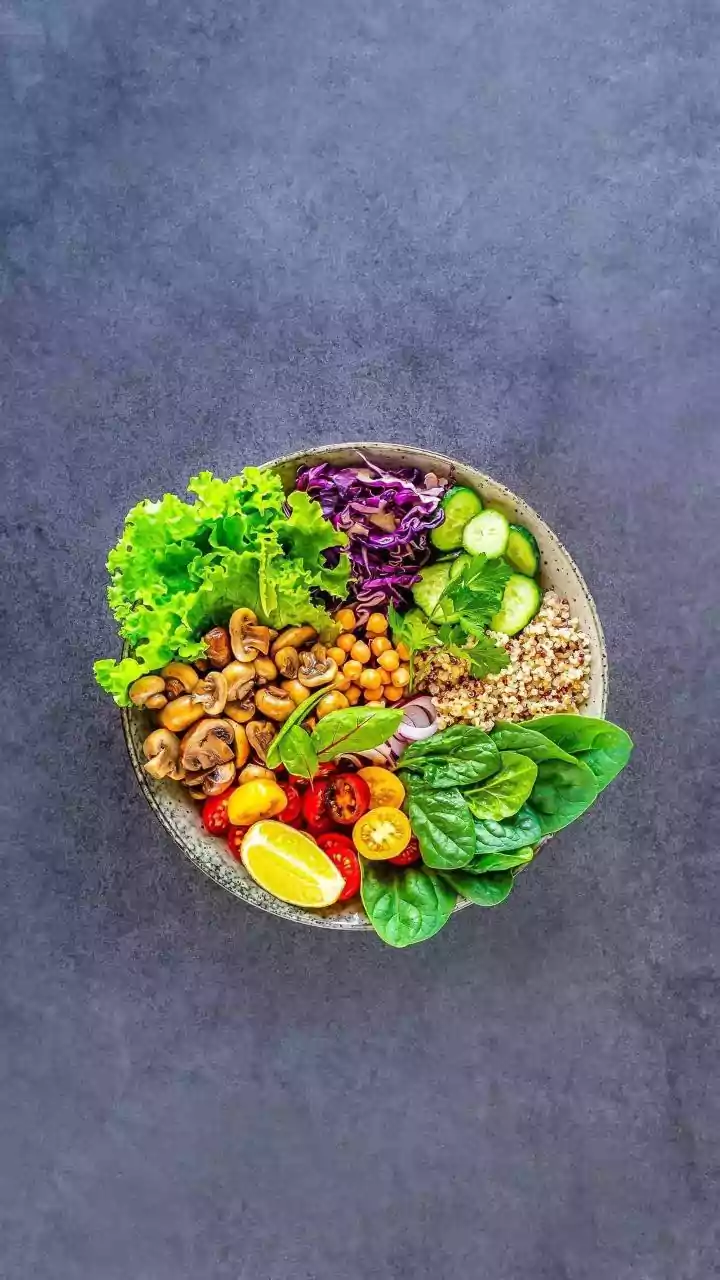
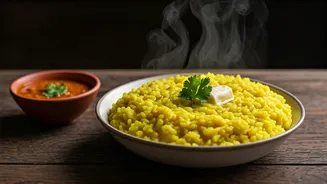
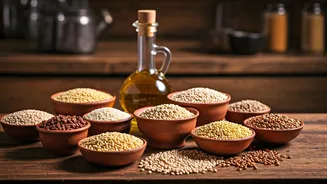
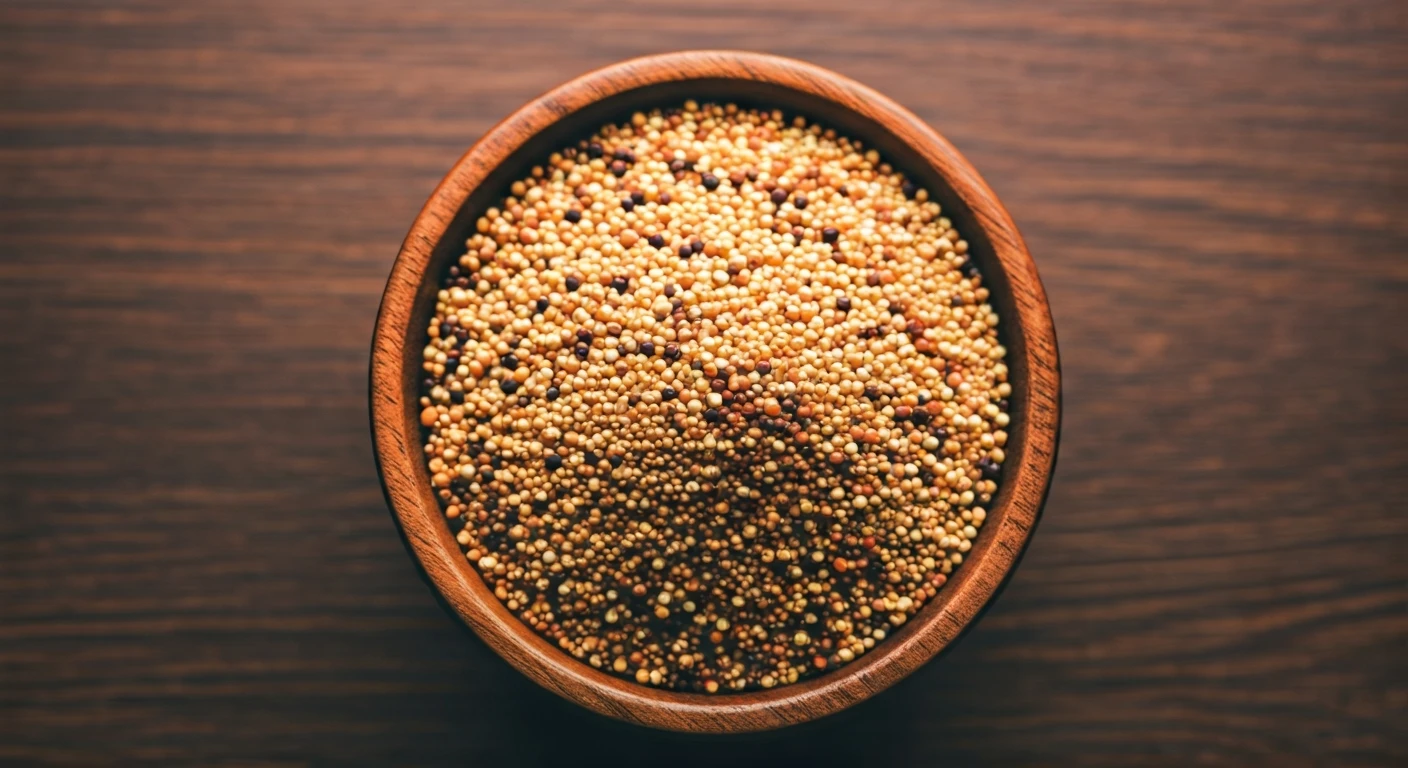
The heart of this new-old approach to Desi cooking lies in the pantry. The conversation shift is being driven by a return to basics. We’re talking about the humble but mighty world of lentils and legumes—dal. From red lentils (masoor) that cook down into a creamy soup in minutes to hearty chickpeas (chana) that form the base of countless curries, these are nutritional powerhouses packed with protein and fiber for pennies per serving. The focus is also moving beyond white rice to embrace a wider variety of grains. Quinoa, though not traditional, is being seamlessly integrated into dishes like upma, while ancient grains like millet (bajra, ragi) are making a huge comeback. They offer complex carbohydrates and a host of micronutrients, all while being naturally gluten-free. And then there are the spices. Far from just providing heat, spices like turmeric (with its anti-inflammatory properties), cumin (aiding digestion), and fenugreek are being celebrated for their wellness benefits as much as their flavor.
Grandma’s Recipes, Modern Methods
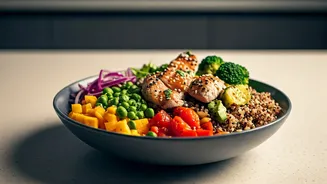
This movement isn't about abandoning tradition; it's about adapting it for modern life. A new generation of home cooks, often inspired by their parents and grandparents but armed with an Instant Pot and an air fryer, are finding ways to make classic dishes healthier and faster. That plate of samosas? Now they’re often made with whole wheat wrappers and air-fried to crispy perfection, slashing the oil content. The hours-long process of slow-cooking dal on the stovetop is now a 20-minute affair in an electric pressure cooker. Cooks are consciously reducing ghee and oil, using yogurt for creaminess instead of heavy cream, and packing every dish with more vegetables. It’s a creative process of deconstruction and reconstruction, preserving the soul of a recipe while aligning it with contemporary health goals and busy schedules. Social media is full of creators sharing these hacks, turning what once felt like a culinary chore into an accessible weeknight routine.
A delicious form of cultural connection
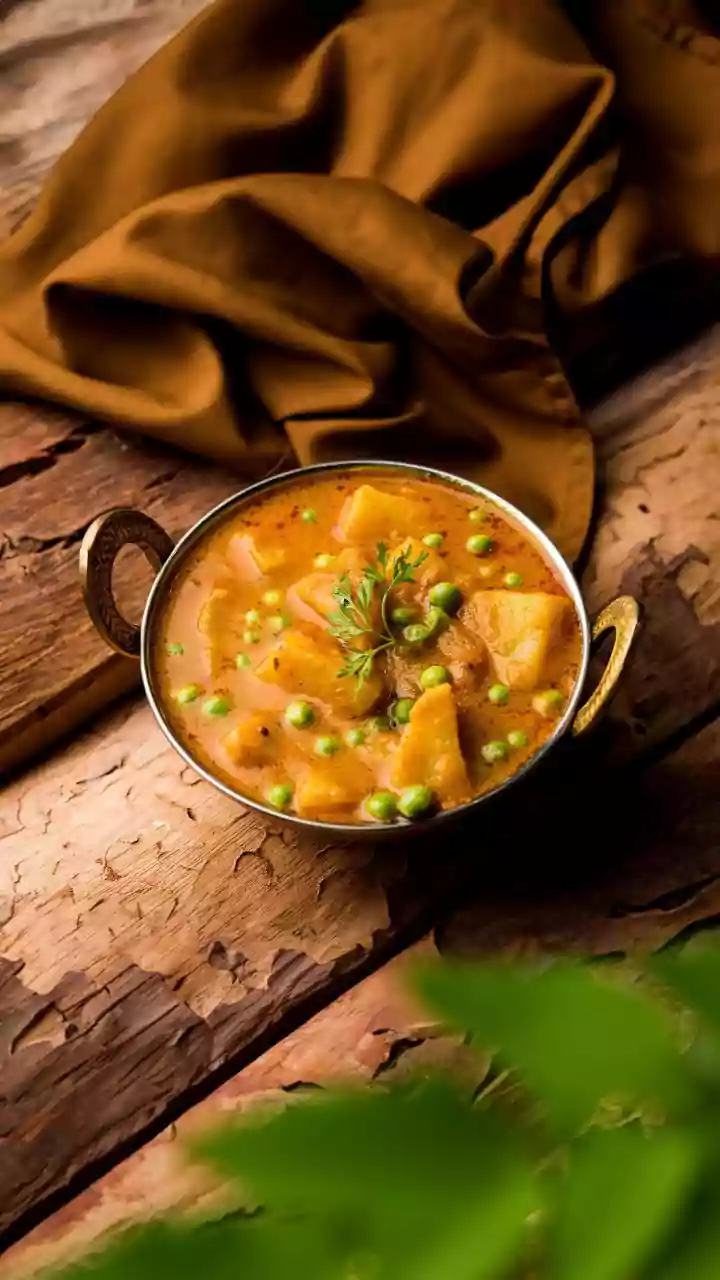
For many second- and third-generation South Asian Americans, this culinary shift is about more than just diet. It’s a profound act of cultural reclamation. Growing up, many felt a pressure to assimilate, sometimes leaving behind the “smelly” lunchbox for a sandwich. Now, they are embracing their heritage with pride, but on their own terms. Cooking a simple, healthy dal or a vegetable sabzi is a way to connect with their roots, to feel the comfort of home, and to pass down a sustainable version of their culture to their own children. It reframes Desi food not as something foreign or exotic, but as a source of daily strength, wellness, and identity. It’s a powerful statement that their heritage is not only compatible with a healthy American lifestyle but can be a central pillar of it.