





Prioritize Flexibility Over Price
The cheapest, non-refundable flight and hotel deals seem tempting, but they become expensive anchors when the weather turns. This season, make flexibility your top priority. When booking accommodations, use the “free cancellation” filter on booking sites.
It might cost a few dollars more per night, but it gives you the power to pivot. If a storm system is forecast to stall over your beach destination for your entire stay, the ability to cancel and rebook elsewhere is priceless. The same logic applies to flights. Many major U.S. airlines have permanently eliminated change fees for main cabin and higher fares. While you’ll still have to pay the fare difference, the freedom to shift your trip by a few days to dodge the worst of a storm is a massive strategic advantage.
Become a Weather App Power User
Your phone's default weather app is fine for telling you today's temperature, but for travel planning, you need more sophisticated tools. Download a couple of specialized apps to get the full picture. Apps like Windy or Weather Underground provide detailed radar maps, wind patterns, and multiple forecast models, allowing you to see not just *if* it will rain, but *when* and *where* with much greater precision. Use these tools to find “weather windows.” A forecast might call for a 60% chance of rain, but a good app can show you that the rain is likely only from 2 p.m. to 5 p.m., leaving your morning open for that hike or city walk. This turns a “rainy day” into a “day with a few hours of rain,” a critical distinction for any traveler.
Build an 'A' and 'B' Itinerary
Hope for the best, but plan for the worst. The key to a weatherproof vacation is having a “Plan B” that’s just as exciting as “Plan A.” Before you even leave, research and bookmark great indoor activities for your destination. Don’t just default to sitting in your hotel room. Look for unique local museums, independent movie theaters, interesting breweries or cafes, indoor climbing gyms, or even a hands-on cooking class featuring local cuisine. Frame it as an opportunity, not a consolation prize. A rainy afternoon in New Orleans could be the perfect excuse to finally visit the National WWII Museum or take a streetcar to a legendary jazz club for a matinee show. When a rainy day feels like a bonus opportunity instead of a ruined plan, you’ve mastered the art of travel strategy.
Pack for Possibility, Not Perfection
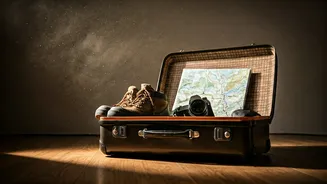
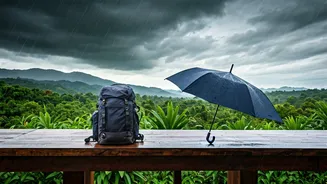
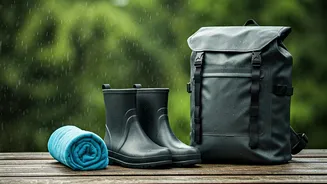
Your luggage is your final line of defense. Forget the flimsy disposable poncho and think in terms of a versatile, weather-ready wardrobe. Invest in a lightweight, truly waterproof rain jacket that’s breathable—you’ll be grateful for it during a humid summer shower. Quick-dry fabrics for shirts and pants are a game-changer, as they won't leave you feeling damp and cold after a downpour. The most critical item? Waterproof footwear. Nothing ruins a day of exploring faster than soggy socks and blistered feet. Whether it's a pair of stylish waterproof sneakers or comfortable boots, keeping your feet dry is non-negotiable. A compact, sturdy travel umbrella completes the kit, ensuring you’re prepared for a sudden shower without being weighed down.
Know What Your Insurance Covers
Many travelers assume travel insurance is a magic wand for any weather-related inconvenience, but the reality is more specific. Standard policies typically do not cover you if you simply decide to cancel your trip because the forecast looks rainy. Where insurance becomes vital is during significant, named weather events. If a hurricane or tropical storm causes your airline to cancel your flight, or if a mandatory evacuation is ordered for your destination, that’s when trip cancellation and interruption benefits usually kick in. Before you buy a policy, read the fine print regarding weather. Understand the difference between a disappointing forecast and a trip-derailing named storm. This knowledge helps you set realistic expectations and understand when you have a legitimate claim.