
Beyond the Tikka Masala
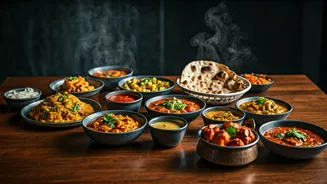
Walk into many of America’s most talked-about Indian restaurants today, and you might notice something missing: the predictable, creamy, anglicized curries that defined the cuisine for generations of diners. Gone is the singular focus on chicken tikka
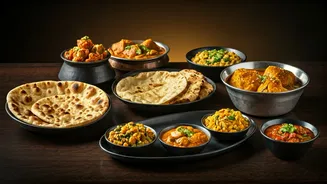
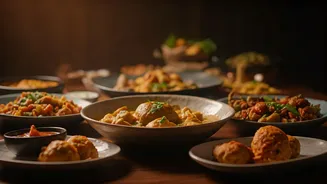
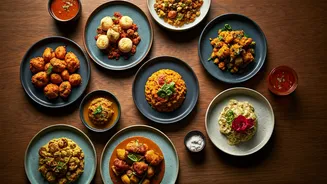
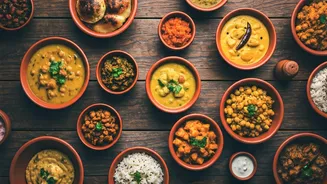
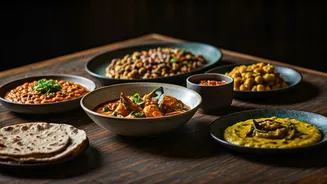
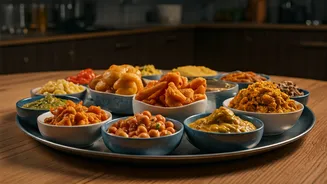
masala, saag paneer, and naan bread as the holy trinity of Indian dining. In their place, menus are showcasing dishes that feel less like a performance for foreigners and more like a peek into a family's kitchen. We’re talking about dal fry that tastes like it was simmered for hours by a discerning auntie, not churned out of a giant vat. We’re seeing humble, restorative bowls of khichdi—a simple rice and lentil porridge once unthinkable on a fine dining menu—being celebrated. This isn't a rejection of the classics, but an expansion of the story, driven by chefs confident enough to serve the unglamorous, deeply resonant food of their own childhoods.
The 'Grandma's Kitchen' Effect
The secret ingredient in this new wave of cooking is memory. Chefs are tapping into a universal feeling, but one that is particularly potent within immigrant communities: the Proustian rush of tasting something that transports you back to a specific time and place. It’s the flavor of a mother’s rajma chawal (kidney beans and rice) after a long day at school, or the specific spice blend in a regional fish curry eaten on a family vacation. Restaurants like New York's Dhamaka, for example, built a national reputation on what they call "unapologetic Indian" food—dishes from the country's lesser-seen corners that prioritize authenticity over accommodation. The appeal isn't just about novelty; it's about emotional connection. When a diner sees a dish on a menu that they thought only their grandmother made, it creates an instant, powerful bond. It’s a transaction that goes beyond sustenance and becomes an affirmation of one’s own history and identity.
A Tale of Two Diners
This trend is fueled by two distinct but overlapping audiences. First, there are the first-generation immigrants who, after years of settling for homogenized versions of their native cuisine, are hungry for a taste of home. For them, finding an expertly made goat biryani or a perfectly spiced poha (flattened rice) isn't just a good meal; it’s a relief. It’s the comforting realization that their specific cultural experience is being seen and valued. Second, and just as crucial, are the second- and third-generation Indian Americans. For many in this group, who may not speak their ancestral language or have ever lived in India, food is one of the most tangible links to their heritage. These dishes are stories on a plate. Ordering them is an act of cultural exploration and reclamation. They are connecting with their roots through a shared language of flavor, one that was previously confined to the home but is now proudly on public display.
The Smart Business of Sentiment
Of course, restaurateurs are not running charities; they're running businesses. And the nostalgia-driven menu is proving to be exceptionally good for business. In a crowded marketplace, authenticity—or at least the potent feeling of it—is a key differentiator. It allows restaurants to tell a unique story and build a fiercely loyal clientele. By marketing a dish as "homestyle" or linking it to a specific regional memory, chefs create a premium experience that justifies a higher price point than the all-you-can-eat lunch buffet. It transforms a simple plate of lentils from a low-cost commodity into a high-value culinary event. It turns out that while diners might come for the food, they stay—and come back—for the feeling. And as Indian cuisine continues to mature and diversify in the U.S., it's clear that the most powerful flavors are often the ones steeped in the past.