
The Tyranny of the Tastemakers
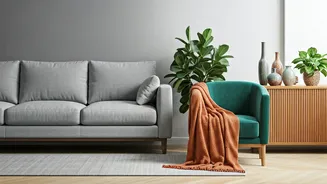
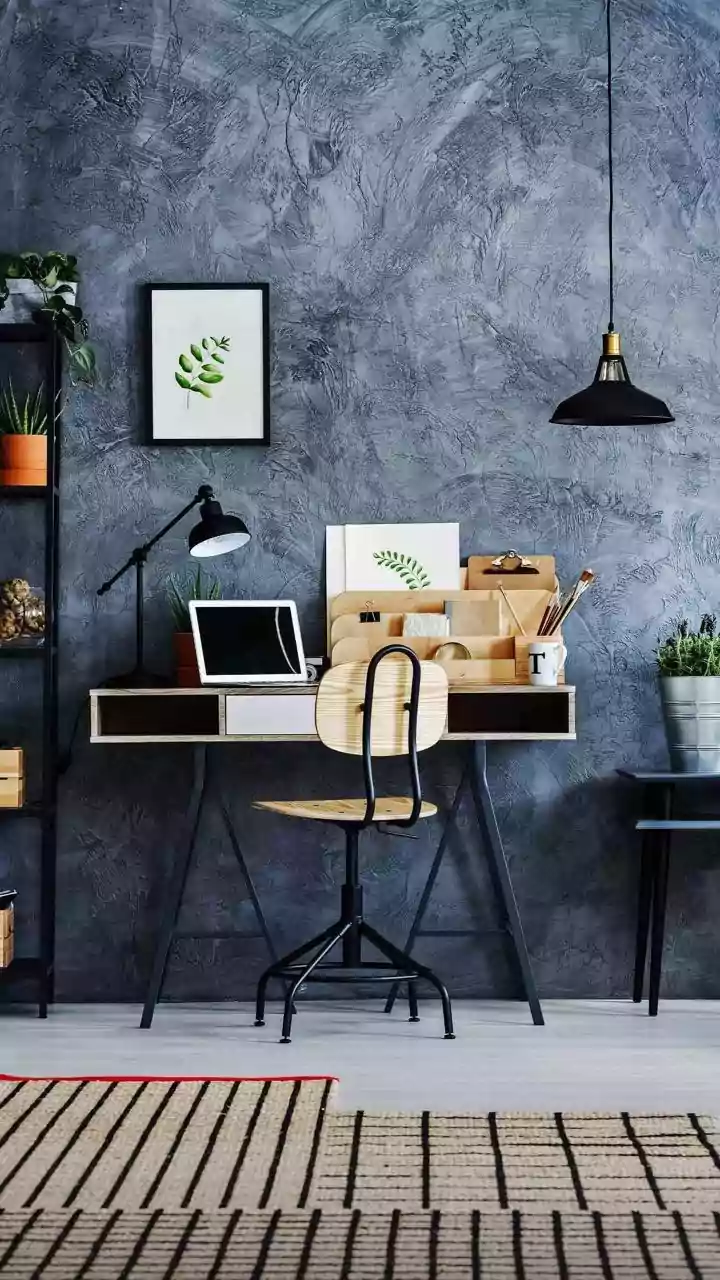
You know the look. It’s the sprawling gray sectional, the geometric rug that’s been in a thousand Instagram posts, and the perfectly placed (and probably faux) fiddle-leaf fig in the corner. For the better part of a decade, a specific brand of polished,
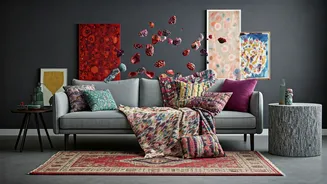
impersonal minimalism has dominated home decor. Fueled by Pinterest boards, HGTV makeovers, and the rise of direct-to-consumer brands, “good taste” became synonymous with a reproducible, inoffensive, and ultimately generic formula. This aesthetic, a kind of “showroom sameness,” promised a shortcut to a stylish life. By buying the right five items, you could achieve a look that was socially legible and algorithm-approved. The problem? These spaces often felt more like sets than sanctuaries. They were designed to be looked at, not lived in. Devoid of personal quirks or history, they told the story of a trend, not a person. And after years of scrolling through nearly identical living rooms, we’ve started to feel the emptiness of the echo chamber.
A Backlash Fueled by Authenticity
The shift away from this curated perfection isn’t just about getting bored with the color gray. It’s a deeper cultural reaction. The pandemic played a huge role, forcing us to spend unprecedented time within our own four walls. Suddenly, a home’s primary function wasn’t to impress guests but to comfort its inhabitants. The cold, sparse room that looked great on camera felt sterile and uninviting when you were stuck in it 24/7. Simultaneously, a growing weariness with influencer culture and its performative perfection has pushed people toward something more real. The rise of “de-influencing” and a collective embrace of the wonderfully messy and chaotic side of life on platforms like TikTok signals a desire for authenticity. We’re tired of seeing impossible standards, whether on our bodies or our bookshelves. This has created an opening for styles that celebrate the imperfect, the accumulated, and the deeply personal.
Your Home as a Memoir
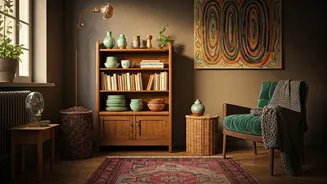
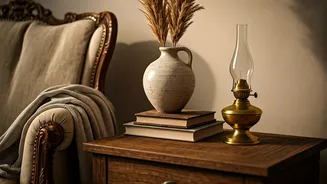
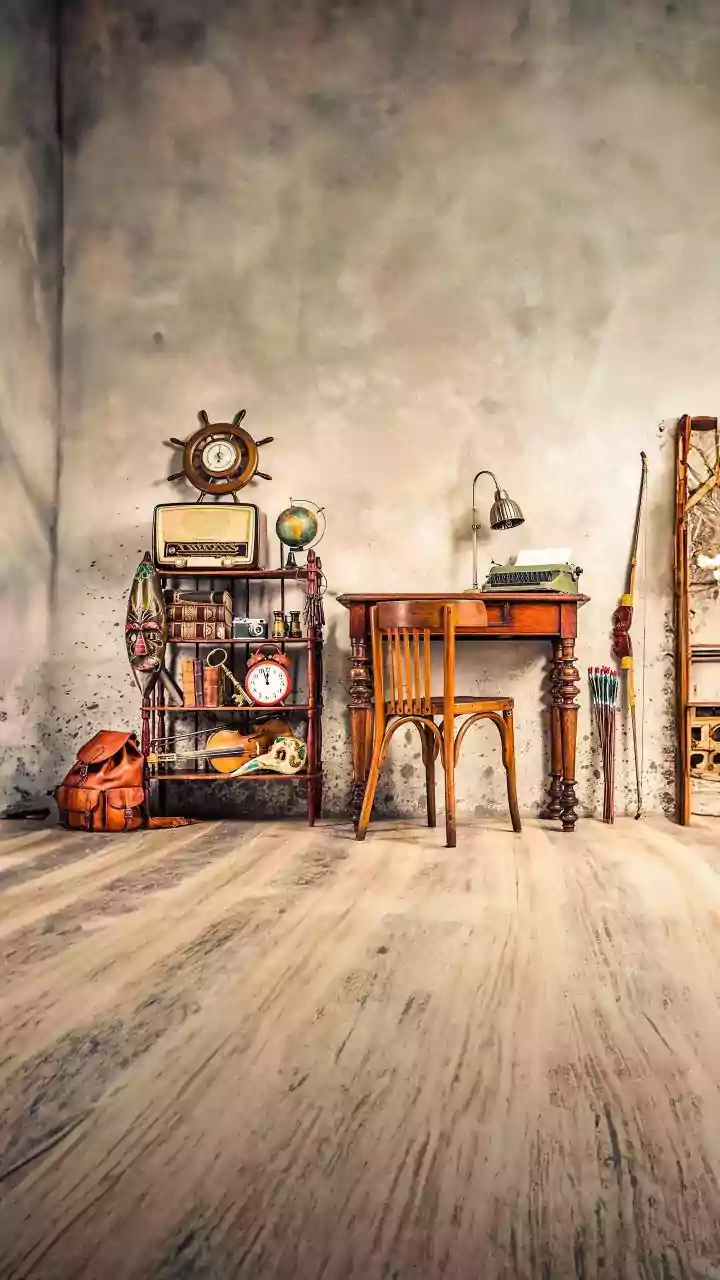
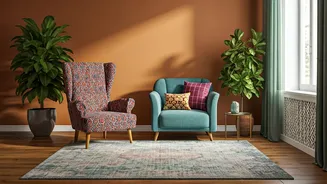
So, what does the alternative look like? It’s less about a specific style—like maximalism or “cluttercore”—and more about a philosophy. It’s about seeing your home as an autobiography written in three dimensions. The “personal story” approach prioritizes objects that have meaning, even if they don’t “match.” This is the home where a slightly battered armchair inherited from a grandparent sits next to a sleek, modern lamp. It’s where refrigerator doors are covered in photos and ticket stubs, where bookshelves overflow with well-loved paperbacks, and where souvenirs from a trip twenty years ago are given pride of place. Each object serves as a physical reminder of a memory, a relationship, or a past version of oneself. This approach trades the sterile perfection of the showroom for the rich, layered comfort of a life fully lived. It’s a design ethos that says, “I am more interesting than a catalog.”
The Joy of Curated Chaos
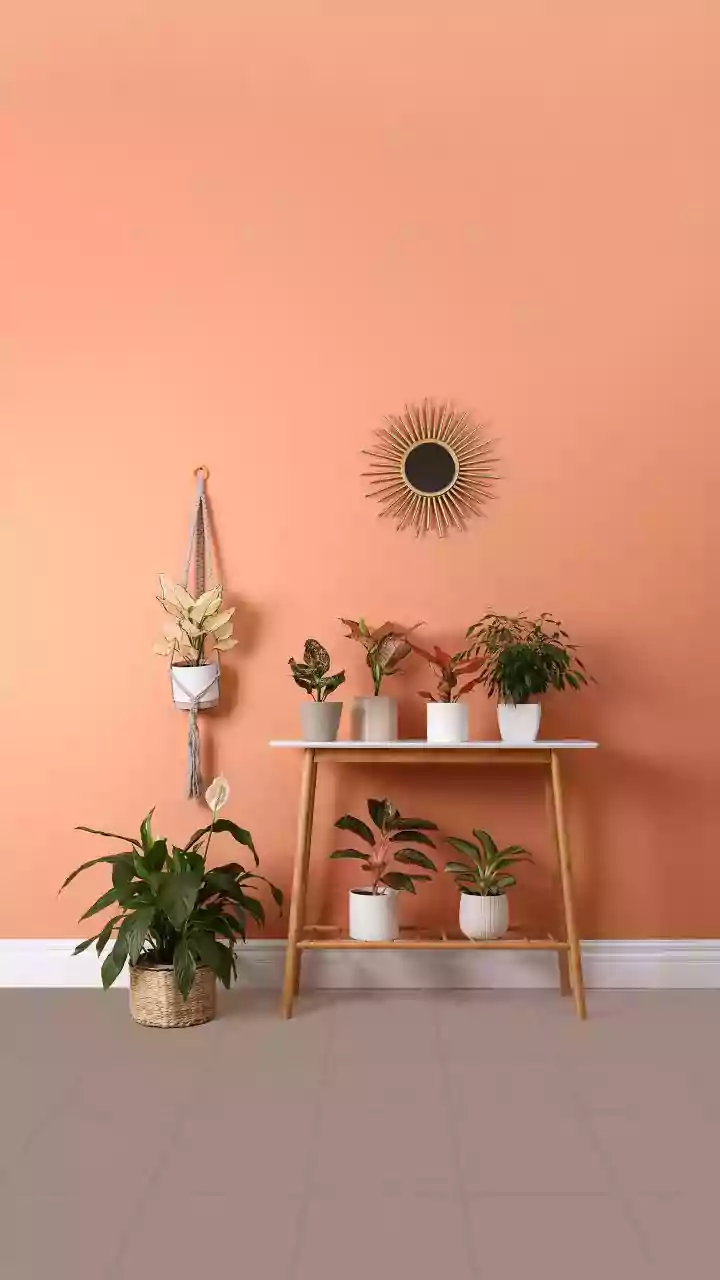
Embracing this shift doesn’t mean living in a mess. It’s about curation, but with a different goal. Instead of curating for a cohesive aesthetic, you’re curating for joy and meaning. The viral “dopamine decor” trend taps into this directly, encouraging people to fill their spaces with colors, textures, and items that give them a genuine emotional lift. The result is a home that feels uniquely yours because it could only *be* yours. It’s a collection of your travels, your jokes, your loves, and your history. It can’t be replicated by a big-box store because its most valuable components aren’t for sale. This movement is a powerful reminder that the best design isn’t about following rules; it’s about telling your own story, one quirky, beloved object at a time.