






A New Kind of Unlivable Heat
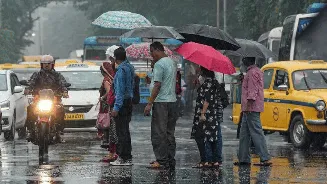
Across India, relentless heatwaves are rewriting the definition of summer. What were once seasonal discomforts have morphed into life-threatening emergencies, with temperatures regularly crossing 110°F (43°C) for weeks on end. But the number on the thermometer
tells only part of the story. The more critical metric is the 'wet-bulb temperature,' which combines heat and humidity to measure the point at which the human body can no longer cool itself by sweating. When this figure approaches 95°F (35°C), even a healthy person sitting in the shade can die in about six hours. Parts of India and Pakistan are now among the few places on Earth that have recorded wet-bulb temperatures nearing this deadly threshold. This isn't a fluke; it's a direct consequence of a warming climate, turning vast, densely populated regions into pressure cookers with no release valve.
The Air-Conditioning Paradox
The obvious solution, from a Western perspective, is air conditioning. Yet for the vast majority of Indians, this is not a viable option. Only about 10% of Indian households own an AC unit. The barriers are significant: high upfront costs, steep electricity bills, and an electrical grid that often falters under the strain of peak demand, leading to blackouts precisely when cooling is needed most. Furthermore, ACs create a dangerous feedback loop. They work by pumping hot air out of a room and into the surrounding environment, making cities hotter. Their high energy consumption, often powered by coal, contributes to the very carbon emissions that are fueling global warming. Widespread adoption of AC units, while providing individual relief, would be a collective disaster for both the local environment and the global climate. This is the air-conditioning paradox: the most immediate solution is also one of the most unsustainable.
When Traditional Coping Fails
For centuries, Indians have developed low-tech ways to cope with heat. These include sleeping on rooftops to catch the night breeze, using wet jute curtains (khus) to cool incoming air, drinking cooling beverages, and seeking shade under trees. But these traditional methods were designed for a climate that no longer exists. They offer marginal relief when nighttime temperatures fail to drop below dangerously high levels, providing no respite for the body to recover. The sheer intensity and duration of modern heatwaves are overwhelming these age-old strategies. For the millions of outdoor laborers, construction workers, and street vendors who form the backbone of the urban economy, 'staying indoors' is not an option. Their exposure is constant, and the old ways of coping are simply not enough to prevent heatstroke, exhaustion, and death.
The Urgent Search for Public Solutions
If individual AC units are not the answer, the focus must shift to public and community-level solutions. Cities are beginning to experiment. Ahmedabad, a city in western India, pioneered a Heat Action Plan that includes an early warning system and the establishment of public 'cooling centers' in temples, malls, and public buildings. Another promising strategy is painting roofs with reflective white paint, a simple, low-cost intervention that can reduce indoor temperatures by several degrees. Urban planning is also key. Investing in green spaces, creating more water bodies, and designing buildings for better ventilation can help mitigate the 'urban heat island' effect. These solutions are not as simple as flipping a switch, but they are more sustainable and equitable. They represent a shift from purely individual relief to collective resilience.