





So, What’s the ‘Flex’?
In a world of carefully curated Instagram feeds featuring sprawling monstera plants and exotic orchids, it’s easy to feel like you need a horticultural degree to keep anything green alive. But the 'plant parent' trend has an accessible, and frankly more
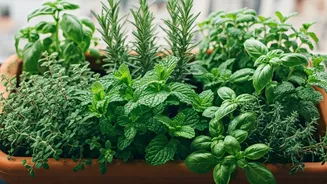
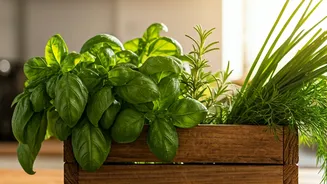
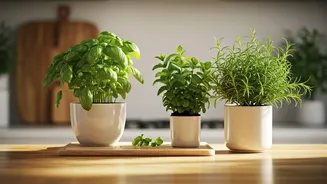
impressive, entry point: the humble herb garden. The flex isn't just about showing you can keep a plant from dying. It’s about casually snipping fresh basil for a caprese salad you’re making for friends. It’s about muddling mint you grew yourself for Friday night cocktails. It’s a sensory flex—the scent of rosemary greeting you on a warm evening. It’s a culinary flex, elevating your cooking from 'just a meal' to 'an experience.' It says you’re not just decorating your space; you’re cultivating a lifestyle, one delicious leaf at a time.
The Un-Killable Starter Pack
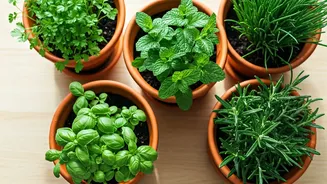
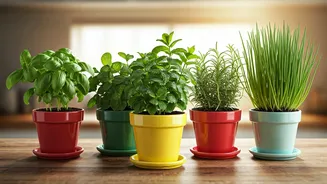
The key to a successful first foray is choosing herbs that actively want to live. These forgiving plants can handle a little neglect and will bounce back from beginner mistakes. Start with two or three from this list:
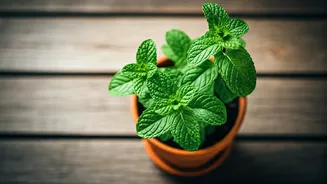
* **Mint:** This thing is practically invincible. In fact, its aggressive growth is why it’s perfect for a pot—it can’t take over your whole garden if it doesn’t have one. It loves sun but will tolerate some shade. Perfect for teas, mojitos, and fruit salads. Just give it its own pot unless you want a mint jungle.
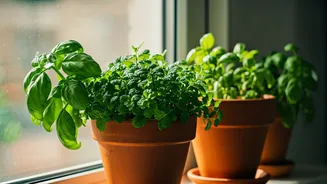
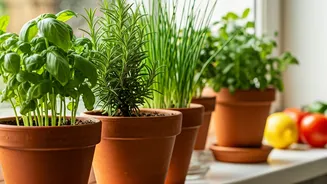
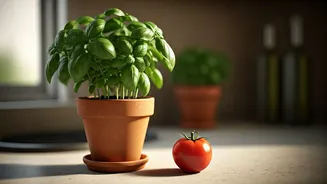
* **Basil:** The quintessential summer herb. It loves sunshine and consistent moisture. The payoff is immediate: the smell is intoxicating, and nothing beats fresh pesto or a leaf tucked into a tomato sandwich. It’s a great visual indicator; it will look wilty when thirsty, telling you exactly what it needs.
* **Rosemary:** This woody, fragrant herb evokes Mediterranean hillsides for a reason—it thrives on sun and hates being overwatered. Let its soil dry out completely between waterings. It’s sturdy, beautiful, and transforms roasted potatoes, chicken, or even a simple loaf of focaccia.
* **Chives:** The most reliable member of the onion family. They’re essentially a fancy, grass-like plant that tastes like a mild onion. They grow back vigorously after you snip them. Sprinkle them over eggs, baked potatoes, or anything that needs a subtle, savory lift.
Your Simple Shopping List
Don’t get overwhelmed at the garden center. You can get started for under $50 with a simple, focused shopping list. Forget the fancy self-watering systems and specialty fertilizers for now. All you need is the basics:
1. **Pots (with drainage!):** Pick a few 8- to 12-inch pots. The single most important feature is a hole in the bottom. Without drainage, roots will sit in water and rot, which is the number one killer of potted plants.
2. **A Bag of Potting Mix:** Don't just dig up dirt from a park. Buy a bag labeled “potting mix” or “container mix.” It’s specifically designed to be lightweight and hold the right amount of moisture for potted plants.
3. **The Plants:** Start with small, healthy-looking plants from the nursery instead of seeds. This gives you a huge head start and an immediate sense of accomplishment. Look for green, vibrant leaves and avoid anything that looks yellow, brown, or sad.
The Golden Rules of Balcony Life
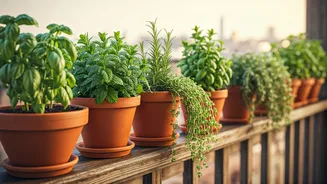
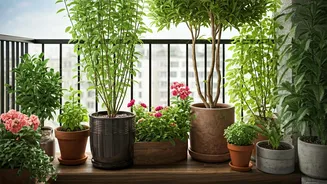
Your balcony has its own little ecosystem. The two things you need to master are sun and water. First, spend a day noticing how much direct sunlight your balcony gets. Most herbs are sun-worshippers and need at least 6 hours of direct light to thrive. If you have a shadier spot, herbs like mint and parsley are more forgiving. Second, learn the golden rule of watering: stick your finger about an inch into the soil. If it feels dry, it's time to water. If it feels moist, leave it alone. Water thoroughly until it runs out the drainage hole, then let it dry out before watering again. This simple test prevents both drowning and dehydration.