
The Tragedy of the Tupperware
We’ve all been there. You open the fridge, staring past the fresh groceries, and your eyes land on it: the container of last night’s masterpiece. A shadow of its former self, it waits patiently for its grim journey to the microwave, where it will emerge
steamy but somehow less vibrant, its textures softened into a monotonous landscape. This is the American leftover experience—a cycle of duty, not delight. We eat it to avoid waste, to save a few bucks, but rarely does it spark joy.The very concept of “leftovers” feels like a consolation prize. It’s food that has already peaked. We treat it like an obligation, a problem to be managed before it migrates to the trash can. But this mindset is a failure of imagination, not a failure of the food itself.
The Glorious Second Act
What if we stopped thinking of them as leftovers and started seeing them as ingredients? This isn't a new idea, but it’s one that American convenience culture often forgets. The Italians have been turning leftover risotto into crispy, cheesy arancini for centuries. Mexican cooks have long known that stale tortillas are the perfect base for saucy, satisfying chilaquiles. It’s the art of the “second act”—transforming one great meal into an entirely new, and often better, experience.This isn't about simply reheating. It’s about reimagining. It’s a culinary philosophy that treats your kitchen as a dynamic ecosystem where nothing goes to waste and creativity is born from constraint. It’s about seeing a container of cold rice not as a chore, but as the foundation for incredible fried rice. And there is no better ambassador for this philosophy than the humble dal fritter.
Meet the Dal Fritter
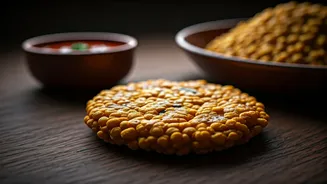
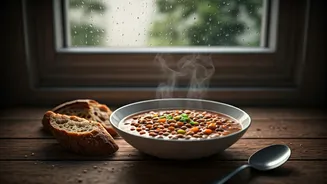
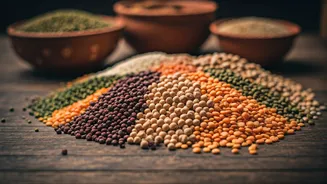
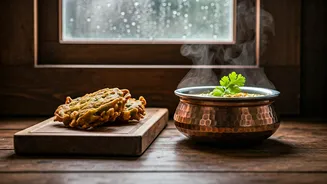
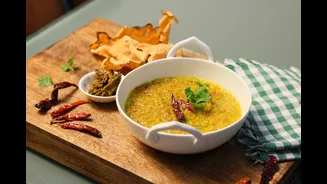
For the uninitiated, dal is a universe unto itself. At its simplest, it’s a thick, savory stew made from lentils or other legumes, forming the backbone of daily meals across South Asia. It’s nourishing, flavorful, and endlessly variable. But the real magic happens on day two.Leftover dal, particularly the thicker varieties, has a tendency to congeal in the fridge into a dense, spoonable paste. Most would just add water and reheat it. But the enlightened cook sees an opportunity. This thick dal is the perfect base for a fritter. In India, these are often called pakoras or vadas. By taking this already-spiced, deeply flavorful lentil base and giving it a new form, you unlock a completely different culinary dimension. You’re not just reheating dal; you’re creating a crispy, fluffy, savory snack that rivals anything you could make from scratch.
The Vibe, Not the Recipe
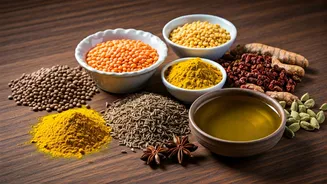
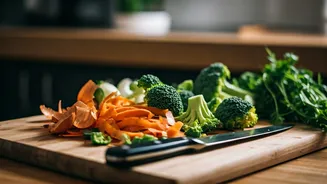
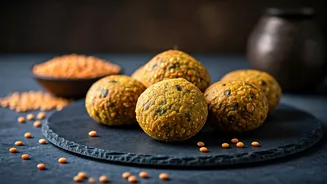
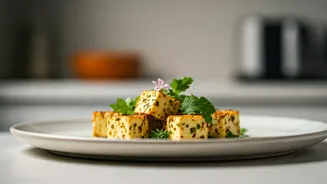
The beauty of the dal fritter is its improvisational nature. Forget precise measurements. This is about feel. Got some leftover dal that’s gone thick and gloppy in the fridge? You’re halfway there. Scoop it into a bowl.Now, add some structure. A few spoonfuls of chickpea flour (besan) is traditional and adds a nutty flavor, but all-purpose or rice flour works too. You want to thicken the mixture until it’s a scoopable, rough dough. Next, the aromatics. This is where you raid your crisper drawer. Finely chopped onions are non-negotiable for their sweet-savory bite. Minced ginger, garlic, or a fiery green chili? Absolutely. A big handful of chopped fresh cilantro? Mandatory.Mix it all together. The consistency should be sticky and rustic. Heat a couple of inches of neutral oil in a pot until a small drop of batter sizzles enthusiastically. Use two spoons or your hands to drop rustic, golf-ball-sized blobs into the hot oil. Don’t overcrowd the pan. Fry them, turning occasionally, until they are deeply golden brown and impossibly crispy on the outside. Drain them on a paper towel and sprinkle with salt. The result is a revelation: a crunchy shell giving way to a soft, steamy, spiced-lentil interior. It's the dal you know and love, but reborn with a whole new texture and attitude.
A Mindset, Not Just a Snack
Making dal fritters is more than a kitchen hack; it’s a gateway to a more sustainable, creative, and delicious way of cooking. You start seeing every leftover as a possibility. That pot of chili becomes a filling for baked potatoes. The last of the Sunday roast chicken gets shredded into a smoky barbecue sandwich. The slightly wilted herbs in your fridge become the base for a vibrant pesto.This approach fights food waste at its source, saves you money, and pushes you to become a more intuitive and resourceful cook. It transforms the mundane task of “eating leftovers” into an exciting opportunity to create something new. It proves, with each crispy, savory bite, that leftovers don’t have to be a sad echo of a meal. They can be the star of a brand new one.