





An Unplugged Himalayan Escape
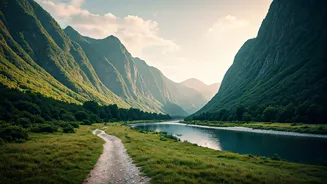
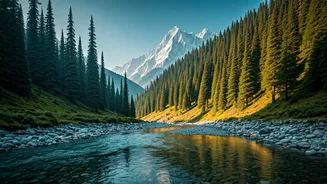
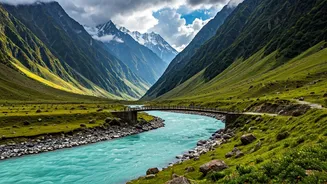
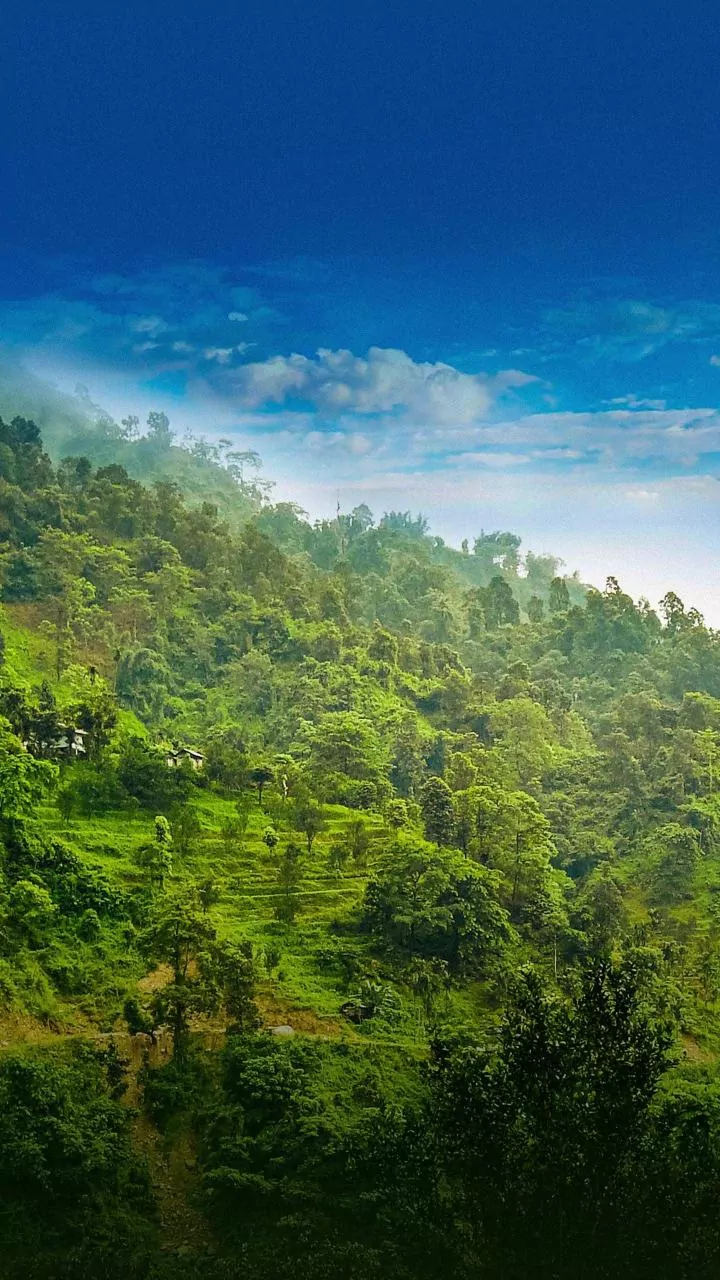
Nestled in the Kullu district, a world away from the bustling crowds of Shimla or Manali, Tirthan Valley is an eco-tourism haven that feels like a secret whispered among nature lovers. It’s part of the ecozone of the Great Himalayan National Park, a UNESCO
World Heritage Site, which has helped protect its pristine character. The journey here is part of the experience—a winding drive that slowly sheds the noise of the city, replacing it with the rustle of pine forests and the promise of solitude. For couples, this isn't just a destination; it's a shared exhale. It’s the kind of place where the day's biggest decision is whether to read by the river or take a nap in the sun-dappled orchard, with the only soundtrack being birdsong and the distant flow of water.
A River Runs Through It
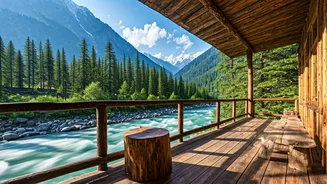
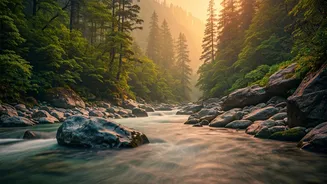
The lifeblood and centerpiece of the valley is the Tirthan River itself. This crystal-clear waterway, teeming with rainbow and brown trout, carves its way through the landscape, its gentle roar a constant, soothing presence. Unlike the silt-heavy rivers of more developed regions, the Tirthan is so clear you can count the stones on its bed. For couples, the river offers a natural focal point for connection. You can spend an afternoon finding a secluded spot for a picnic, dipping your feet in the refreshingly cold water, or simply sitting on a sun-warmed boulder, talking without interruption. For the more active, the valley is renowned for its angling. Obtaining a permit and spending a quiet morning casting a line for trout is a meditative experience, whether you catch anything or not.
Gentle Adventures for Two
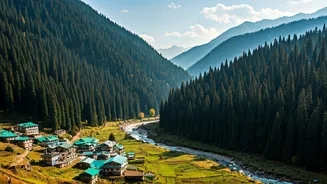
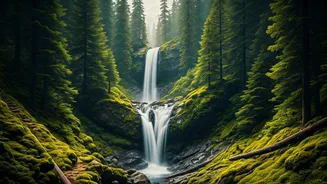
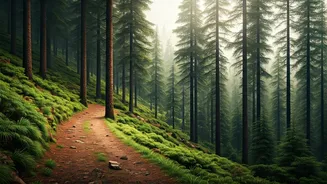
While Tirthan is a paradise for relaxation, it’s also a gateway to gentle adventure. The focus here isn't on extreme sports but on immersive experiences. Well-marked trails lead to picturesque waterfalls like the one at Jalori Pass or the more hidden Chhoie Waterfall. You can embark on slow-paced village walks, meandering through terraced fields and apple orchards, exchanging smiles with friendly locals. These aren't strenuous, record-setting hikes; they are opportunities to walk side-by-side, absorbing the breathtaking Himalayan scenery. Bird-watching is another major draw, with the valley being home to hundreds of species. Sharing a pair of binoculars and a guidebook becomes a quiet, collaborative treasure hunt. These shared activities, simple and unhurried, are what create lasting memories.
Home in the Himalayas
Perhaps the most defining feature of a Tirthan Valley stay is the accommodation. Forget large, impersonal hotels. The ethos here is built around intimate, family-run homestays and guesthouses. These aren't just places to sleep; they are gateways to the local culture. Hosts often welcome you as part of the family, sharing stories over home-cooked meals made with ingredients from their own gardens. Waking up in a traditional wood-and-stone house, sipping chai on a balcony overlooking the river, and eating a delicious Himachali meal is an experience of profound warmth and authenticity. For a couple, it provides a cozy, private, and deeply personal base from which to explore, far removed from the sterile environment of a generic resort.
Planning Your Quiet Retreat
Getting to this secluded paradise requires a bit of planning. The nearest airport is in Bhuntar (Kullu), about a two-hour scenic drive away. The best time to visit is from March to June for pleasant weather and from October to November for clear skies post-monsoon. The monsoon season (July to September) is best avoided due to the risk of landslides. Pack layers, as mountain weather is famously fickle. Essentials include sturdy walking shoes, a light jacket, sun protection, and a good book. But most importantly, pack a willingness to slow down. Tirthan Valley's magic isn't in a packed itinerary but in the empty spaces you leave for spontaneity and serenity.