






1. Heated (and Cooled) Seats
Not long ago, heated seats were the ultimate cold-weather luxury, a perk reserved for premium brands or the highest trim level. Now, they’re a common sight in cloth-seated, mainstream models from Honda, Hyundai, and Toyota. Why the change? Automakers
realized that immediate, personal comfort is a powerful selling point. Unlike a car’s heater, which takes time to warm the entire cabin, heated seats provide instant relief. This small touch transforms the daily commute from a chilly chore into a slightly more pleasant experience. The next evolution, ventilated or cooled seats, is following the same path, migrating from luxury SUVs to family sedans as a must-have for surviving hot climates. It’s no longer about status; it’s about fundamental driver comfort.
2. Large, Responsive Touchscreens
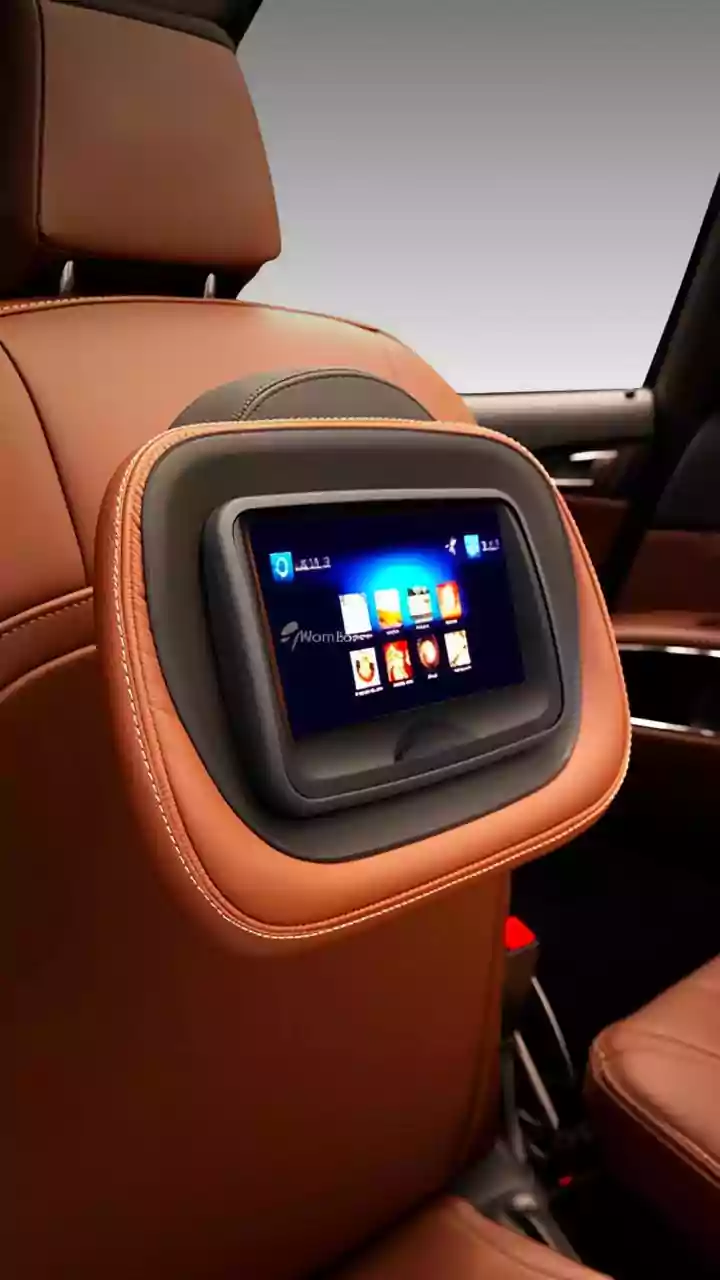
The single biggest influence on modern car interiors isn’t from the auto industry—it’s from Silicon Valley. We all carry supercomputers in our pockets, and we’ve become accustomed to fast, intuitive, high-resolution screens. The slow, tiny, and confusing infotainment systems of the late 2000s are now completely unacceptable. A large, tablet-like central touchscreen is the new interior centerpiece. It’s not just for the radio anymore; it’s the command center for navigation, climate control, vehicle settings, and entertainment. Automakers are in an arms race to deliver bigger, brighter, and faster screens because a clunky interface can be an instant dealbreaker for a generation raised on iPads.
3. Wireless Smartphone Integration
Apple CarPlay and Android Auto were game-changers, allowing drivers to safely access their phone’s apps on the car’s screen. For years, however, you had to plug your phone in with a USB cable—a minor but constant annoyance. Now, wireless CarPlay and Android Auto are becoming the new standard. This seemingly small upgrade is psychologically huge. It removes the final point of friction, letting you get in your car, drop your phone on a charging pad, and have your music and maps just... work. It completes the seamless tech experience that consumers now demand, making the car a true extension of their digital lives.
4. Advanced Driver-Assistance Systems (ADAS)
This is perhaps the most significant shift. Features once relegated to science fiction or a $70,000 Mercedes-Benz are now available on a sub-$30,000 Kia. We’re talking about adaptive cruise control that maintains a set distance from the car ahead, blind-spot monitoring that prevents lane-change mishaps, and lane-keeping assist that gently nudges you back into your lane. This trend is driven by two forces: safety and competition. Safety organizations like the IIHS reward vehicles with standard ADAS features, pushing automakers to include them. And once one brand makes automatic emergency braking standard on its popular crossover, its rivals have to follow suit or risk looking outdated and less safe.
5. The Wireless Charging Pad
The wireless charging pad is the perfect symbol of this entire trend. Is it strictly necessary? No. A USB port works just fine. But it represents the pinnacle of modern convenience: removing a small, recurring hassle from your daily routine. No more fumbling for the right cable or trying to plug it in while driving. You just place your phone in the designated cubby, and it starts charging. It’s a feature that says the car’s designers thought about how you actually live. It’s a low-cost, high-impact feature that makes a car feel more modern, and its absence is now glaringly obvious to tech-savvy buyers.