


1. Gear Up Before You Go
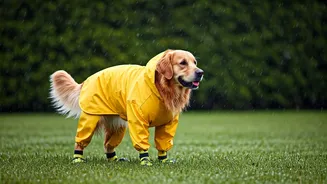
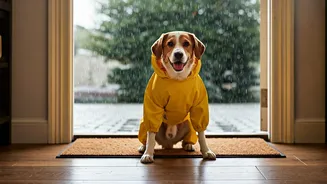
The best defense is a good offense. Before you even open the door, outfitting your dog in the right gear can eliminate 80% of the post-walk mess. A well-fitted, waterproof or water-resistant dog jacket is your first line of defense. It keeps their core
dry and clean, minimizing the surface area you need to towel off later. For dogs with sensitive paws or those who tolerate them, waterproof booties are a game-changer. They prevent mud from getting caked between their paw pads, which is a prime spot for moisture to get trapped and cause irritation. Think of this gear not as a silly costume, but as essential equipment for maintaining their health and your sanity.
2. Master the Post-Walk Towel-Off
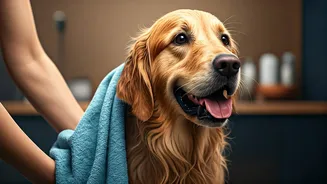
A quick, half-hearted wipe-down won’t cut it in monsoon-like weather. Trapped moisture is the enemy, as it can create a breeding ground for bacteria and yeast. The key is to be thorough. Keep a dedicated “dog towel” station by the door. Highly absorbent microfiber towels are far more effective than old cotton bath towels. Start with the paws, then work your way up the legs, underbelly, and back. Don't forget the ears and tail. For long-haired or double-coated breeds, you may need to go a step further. A pet-safe blow dryer on a low, cool setting can help ensure their undercoat is completely dry, preventing the development of painful hot spots (acute moist dermatitis).
3. Make Paw Care a Priority
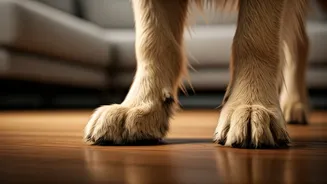
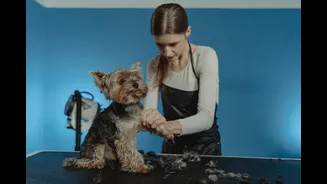
Paws bear the brunt of wet weather. They’re constantly in contact with mud, puddles, and sidewalk grime. A simple paw wash is essential. You can use a dedicated paw plunger, which is a silicone-bristled cup you fill with a little water, or simply a bowl of warm water and a cloth. After washing, dry each paw completely, especially between the toes. This is also the perfect time for a quick inspection. Check for any cuts, scrapes, or signs of irritation. Keeping the hair between their paw pads trimmed short can also significantly reduce the amount of mud they track in and make cleaning much easier.
4. Brush More, Not Less
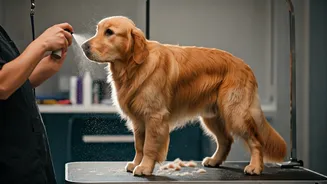
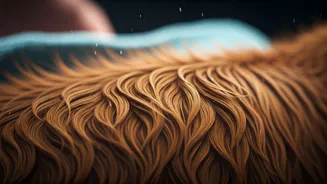
It might seem counterintuitive, but you should increase brushing frequency during a rainy season. Damp fur, especially on medium-to-long-haired dogs, is extremely prone to tangling and matting. When a mat forms, it traps moisture and debris against the skin, blocking airflow and creating an ideal environment for skin infections. A daily once-over with an appropriate brush or comb for your dog’s coat type can prevent these mats from forming in the first place. This simple five-minute ritual detangles the fur, removes loose debris, and helps distribute natural oils, keeping their coat healthy and resilient.
5. Rethink Your Bathing Schedule
While your dog may be dirtier, resist the urge to give them a full shampoo bath after every rainy walk. Over-bathing can strip their coat of its natural, protective oils, leading to dry, itchy skin and making them even more susceptible to irritation. For routine dirt, a water rinse or a wipe-down with a damp cloth is often sufficient. Save the full soap-and-suds bath for when they are truly filthy or starting to develop an odor. When you do bathe them, use a gentle, moisturizing dog shampoo and, most importantly, ensure they are 100% dry afterward, using towels and a cool blow dryer if necessary.
6. Know the Signs of Skin Trouble
A good grooming routine is also a wellness check. While grooming, be on the lookout for red flags that might indicate a developing skin issue. Pay attention to excessive scratching, licking, or chewing at a specific spot. Check for redness, rashes, or bumps on the skin, particularly in warm, moist areas like the armpits, groin, and ears. A foul or yeasty odor coming from the skin or ears is another significant warning sign. If you notice any of these symptoms, it’s best to consult your veterinarian. Catching issues like yeast dermatitis or bacterial infections early makes them much easier to treat.