
The New Urban Reality
For generations, the Indian kitchen was the undisputed heart of the home, a place of slow-simmered sauces and intricately prepared meals passed down through family. But a seismic shift is underway. India is rapidly urbanizing, with millions of young people
moving to sprawling megacities for education and careers. They are ambitious, digitally native, and incredibly busy. They form a new class of consumers: dual-income households and single professionals who simply don't have the hours—or often, the know-how—to replicate the complex dishes they grew up with. The traditional support system of a multi-generational family living under one roof is fading. The result is a powerful, unmet demand for food that is both quick and comforting, convenient yet culturally authentic.
Beyond Just 'Fast Food'
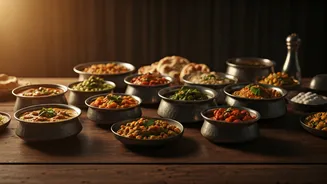
When Americans think of convenience food, they might picture frozen pizza or a drive-thru burger. The first wave of convenience in India was similar in spirit, dominated by instant noodles (specifically, Maggi, which is a cultural touchstone in itself) and other highly processed snacks. But this new trend is fundamentally different. It's not about substituting a traditional meal; it's about making the traditional meal itself accessible. Young Indians aren't just looking for sustenance; they're fighting culinary amnesia. They want the flavors of home, without the labor. They want the specific sourness of a South Indian sambar, the delicate texture of a Gujarati thepla, or the savory spice of a Maharashtrian poha—dishes that are worlds apart from the homogenized 'Indian curry' often sold abroad.
The Hyper-Local Advantage
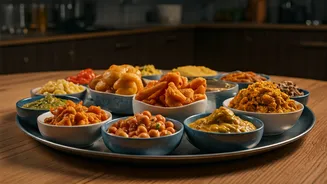
The key to this new market is the word 'regional.' India is not one food culture, but dozens. The cuisine changes every hundred miles, from the coconut-based curries of Kerala to the rich, lentil-based dishes of Punjab and the mustard-oil-infused cooking of Bengal. For years, mass-market food companies ignored this diversity, offering a generic, North-Indian-centric version of 'Indian food.' Today's successful startups do the opposite. They thrive on specificity. A company like iD Fresh Food built an empire starting with just one product: fresh, preservative-free idli and dosa batter, a staple in South Indian homes that is notoriously time-consuming to make from scratch. By targeting a specific regional craving, they tapped into a deep well of nostalgia and consumer loyalty. Others are following suit, offering everything from ready-to-cook Malabar parottas to pre-marinated chicken curries specific to the Chettinad region.
A Health-Conscious Compromise
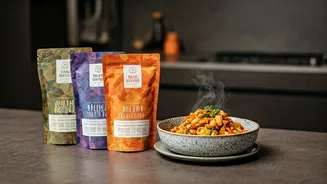
This movement isn't just about taste; it's also about a perception of health. Unlike the preservative-laden options of the past, the new winning brands emphasize 'clean labels,' 'no preservatives,' and 'just like homemade.' They use modern supply chains and refrigerated logistics—often called the 'cold chain'—to deliver fresh or minimally processed products with a short shelf life. This reassures a generation of consumers who are increasingly health-conscious but time-poor. They see it not as a lazy shortcut but as a smart compromise. It allows them to maintain a connection to their heritage and eat something they perceive as wholesome, even on a Tuesday night after a 10-hour workday. It's the ultimate modern bargain: tradition, delivered to your doorstep.