


From Function to Fantasy
For decades, the American bathroom was an afterthought—a small, sterile, and strictly functional space. But a significant cultural shift, accelerated by years of spending more time at home, has completely reframed its purpose. We no longer just want a place
to get ready; we crave a place to unwind, unplug, and recharge. The bathroom has become the most private room in the house, a personal wellness hub shielded from the demands of work, family, and a hyper-connected world. This desire for an in-home sanctuary has fueled the rise of the spa-style bathroom, turning it from a niche luxury into a mainstream aspiration for homeowners and renters alike.
The Soaking Tub as Centerpiece
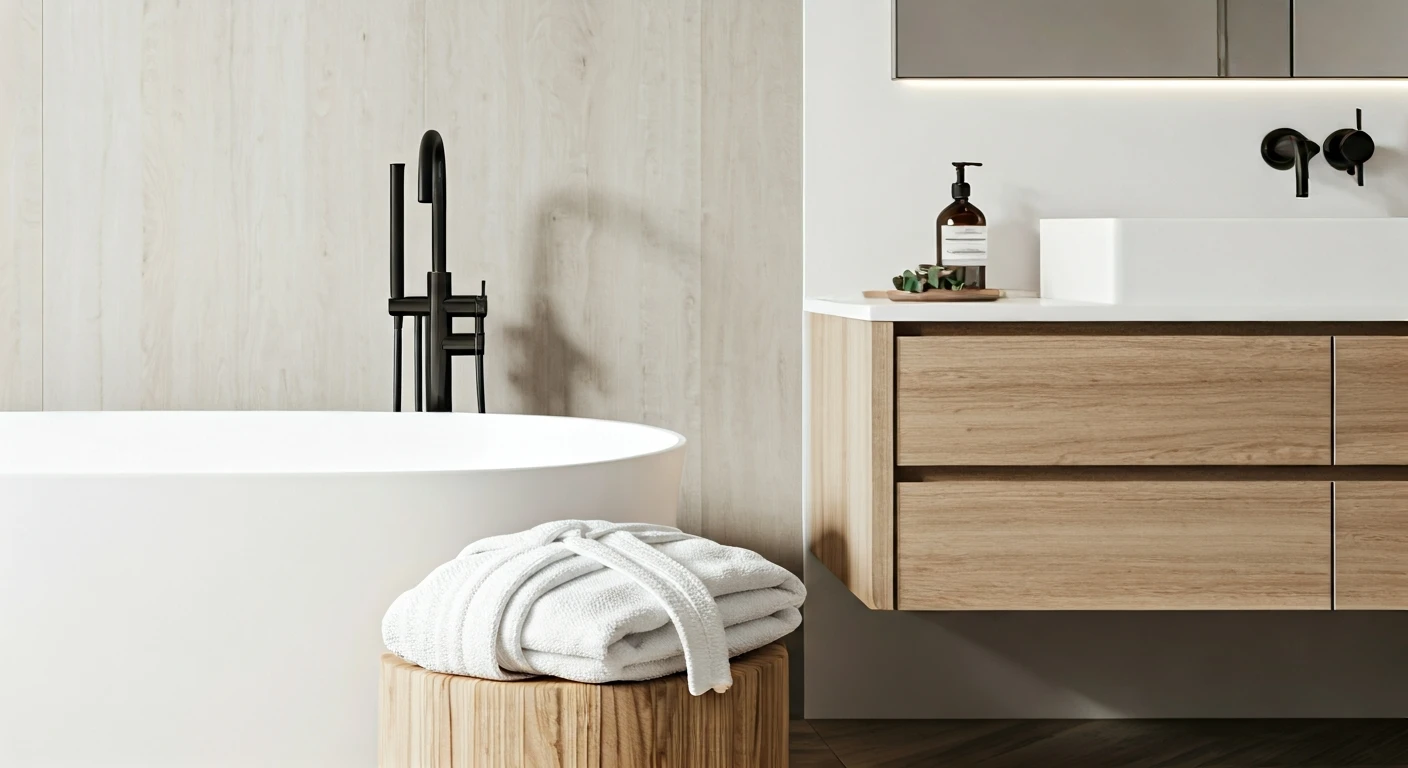
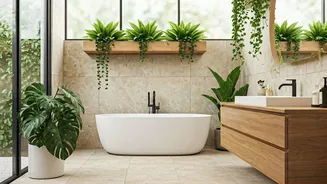
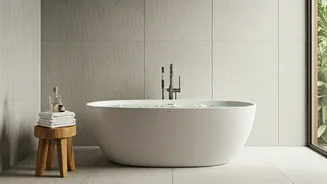
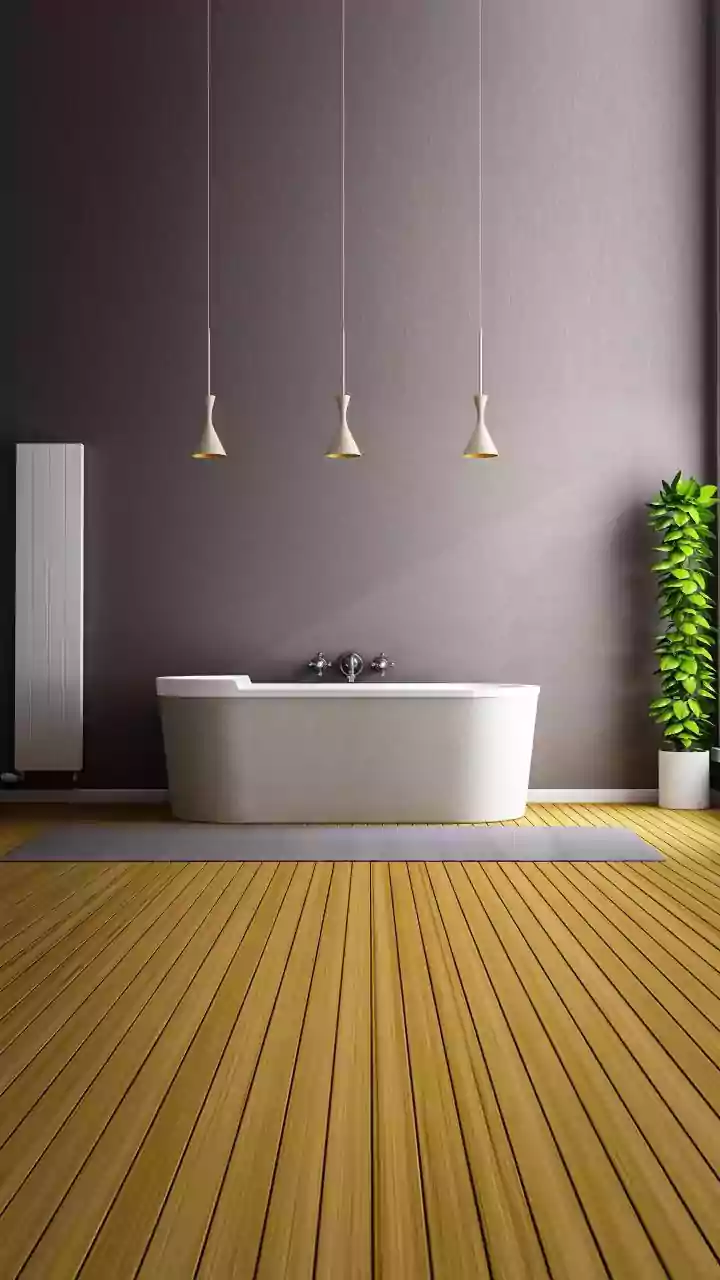
At the heart of this fantasy is often a sculptural, freestanding soaking tub. Unlike the standard built-in tub/shower combo, a deep soaker is a statement of intent. It’s not for a quick, efficient rinse; it’s for a deliberate, leisurely ritual. These tubs, whether classic clawfoot or modern minimalist ovals, serve as the room’s focal point. They signal that this space is dedicated to relaxation. The trend moves away from jetted tubs, which can be loud and difficult to clean, in favor of the simple, quiet luxury of a deep, still-water immersion, often paired with a bath caddy for a book, a tablet, or a glass of wine.
Water as an Experience
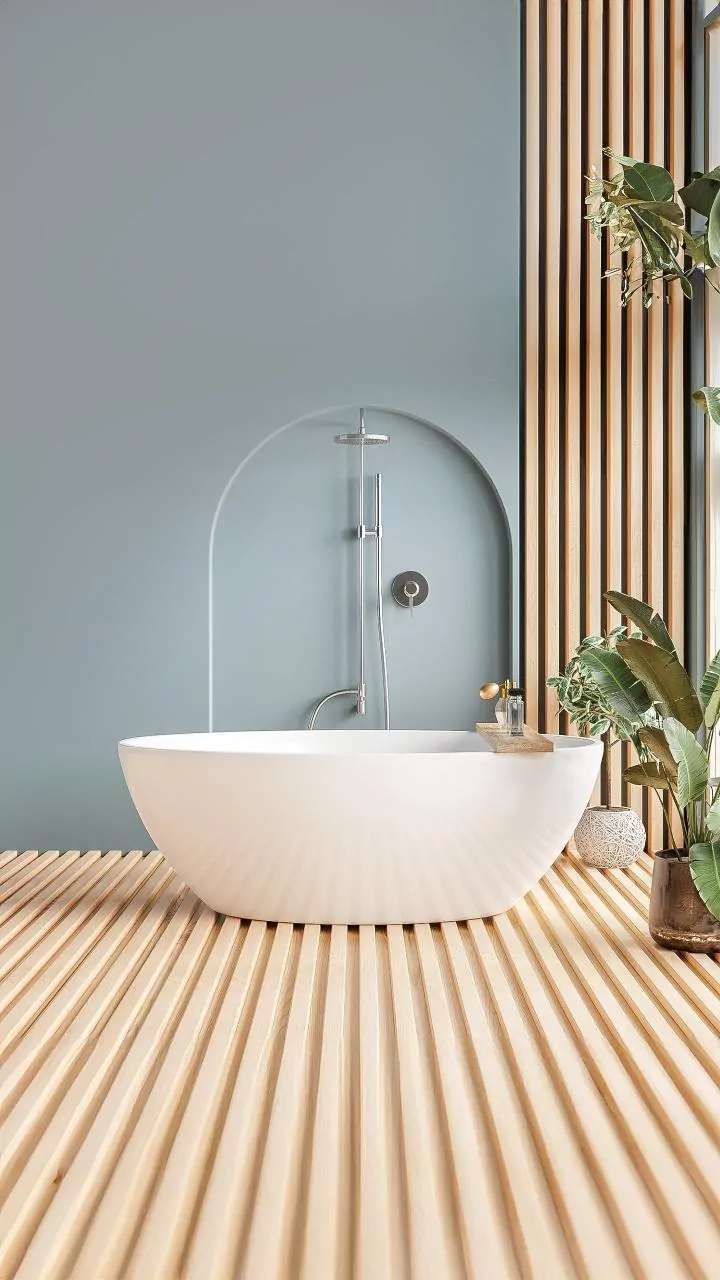
Beyond the tub, the modern spa bathroom reimagines the shower. The standard showerhead is being replaced by systems that create a full sensory experience. Rainfall showerheads, which provide a gentle, wide stream of water, are chief among them. For a more luxe setup, homeowners are installing multiple body jets, handheld wands for versatility, and even steam shower systems. A steam shower, or 'steam room at home,' is the ultimate indulgence, offering therapeutic benefits like muscle relaxation and clearer sinuses, transforming a daily routine into a high-end spa treatment.
A Palette of Calm
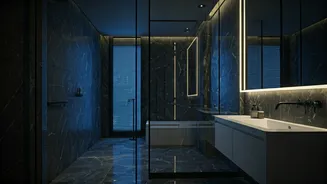
The spa aesthetic is defined by a serene, nature-inspired color palette. Loud, busy patterns and bright, jarring colors are out. In their place are soothing neutrals: soft whites, warm grays, muted beiges, and deep charcoals. These colors create a tranquil backdrop that promotes a feeling of peace and cleanliness. Accents are often drawn from nature, with soft blues and greens reminiscent of water and foliage. The goal is to create a visually quiet space where the mind can rest, free from overstimulation.
Embrace Natural Materials
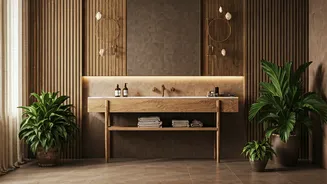
To enhance the connection to nature and tranquility, spa-inspired design heavily features natural materials. Think textured stone tile, warm woods like teak or bamboo (which hold up well in humid environments), and marble or quartz countertops. These materials add organic texture and visual warmth, preventing the minimalist space from feeling cold or clinical. A teak bath mat, a stone vessel sink, or a live plant like an orchid or fern can instantly evoke a more natural, spa-like atmosphere, even in a smaller space.
Smart Lighting and Simple Luxuries
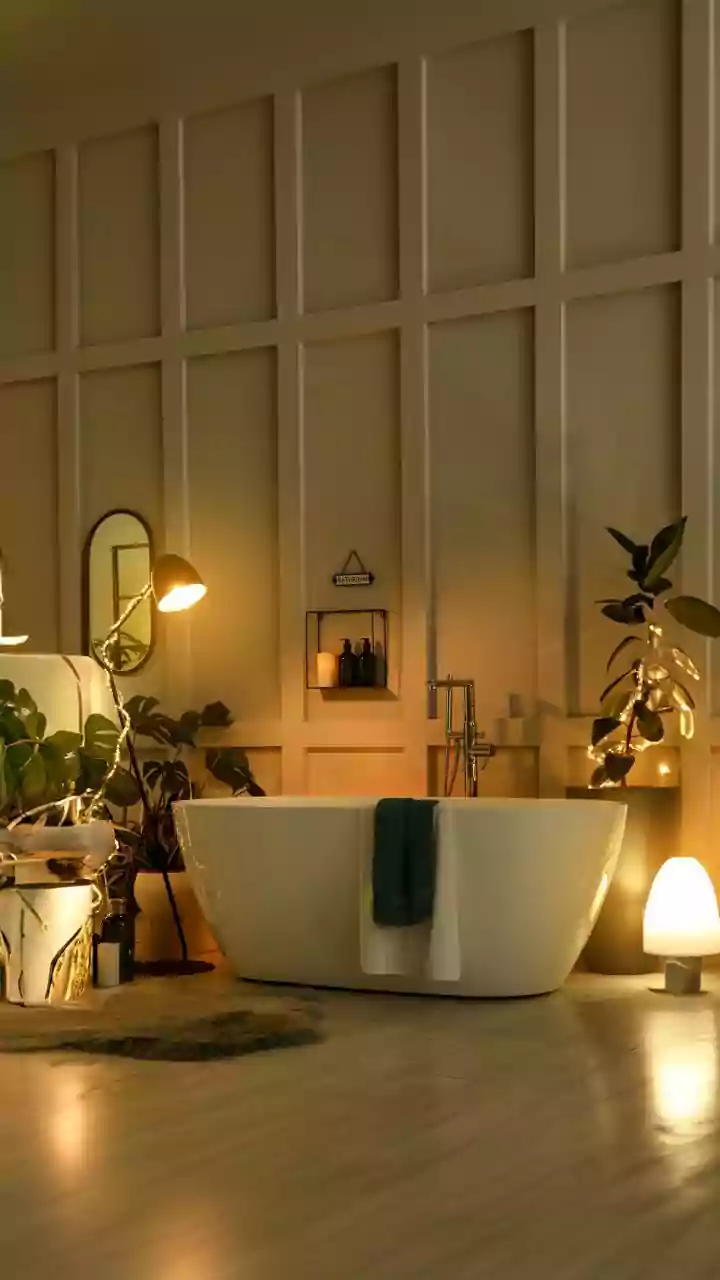
Finally, the fantasy is completed with thoughtful details. Lighting is key. Instead of a single harsh overhead light, spa bathrooms use layered lighting: dimmable sconces next to the vanity, recessed lights in the ceiling, and perhaps a feature pendant light over the tub. Organization is also crucial—clutter is the enemy of calm. Integrated storage keeps toiletries out of sight. The experience is elevated by simple luxuries: a stack of fluffy, high-quality towels, a plush bath rug, an essential oil diffuser releasing a calming scent, and perhaps a heated towel rack for a touch of everyday indulgence.