






The Off-Season Advantage
From June to September, the monsoon rolls across India’s western coast, transforming Goa. This is the official “off-season,” a period many sun-seeking tourists avoid. But for the savvy traveler, this is the golden window of opportunity. With fewer visitors,
the state sheds its high-season intensity. The frenetic energy of December is replaced by a tranquil, almost meditative calm. You’ll find more space at popular viewpoints, less traffic on the winding roads, and a more intimate connection with the local culture. This slowdown is precisely what makes it the perfect time to snag a deal. Hotels and resorts, eager to fill rooms, dramatically lower their prices, making luxury suddenly accessible.
Lush Landscapes and Roaring Falls
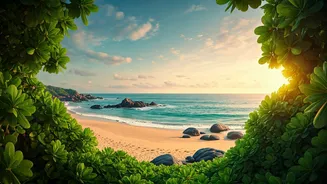
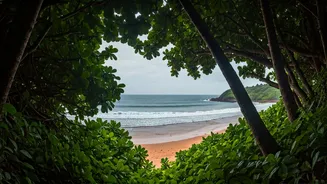
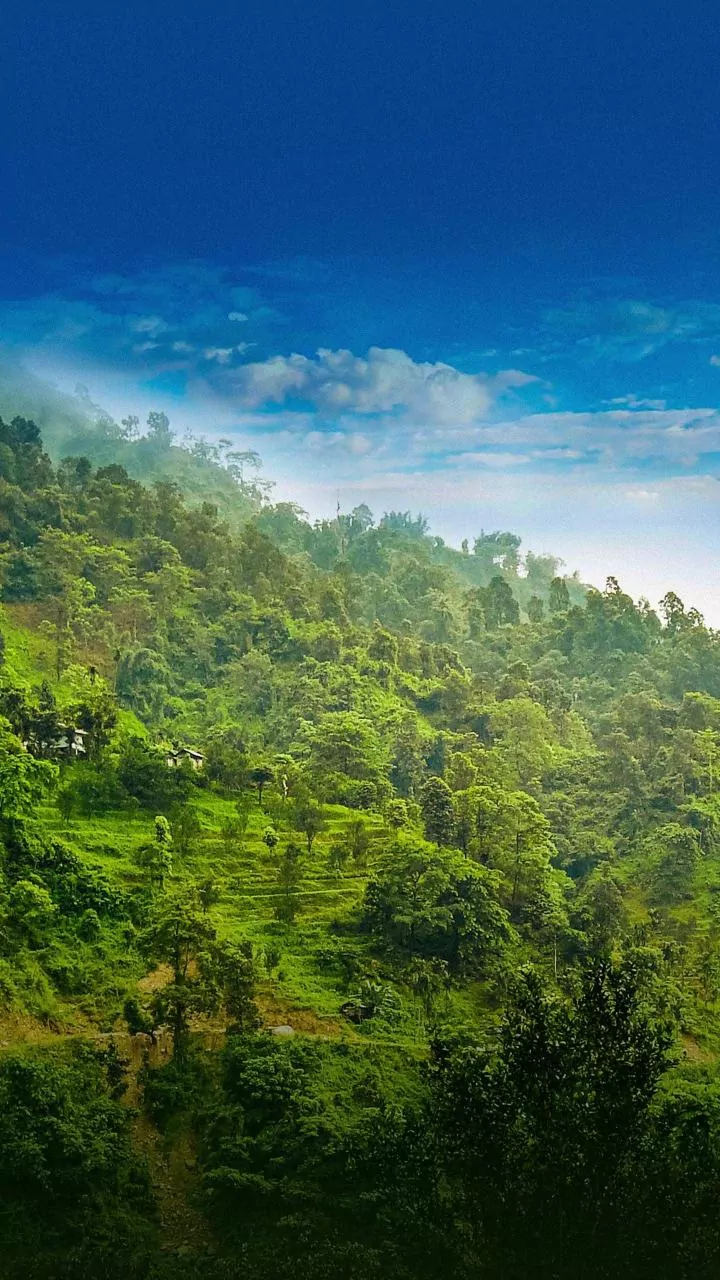
The rain breathes life back into the landscape. Gone is the dry, sun-baked earth of peak season. In its place, you’ll find a countryside saturated in a thousand shades of green. Rice paddies become fluorescent mirrors, forests grow thick and mysterious, and the air feels clean and fresh. This is the time to explore Goa’s hinterland. The state’s most famous waterfall, Dudhsagar Falls—which translates to “Sea of Milk”—is at its most powerful and majestic during the monsoon. Watching the water thunder down the mountainside is an experience impossible to have during the dry winter months. It’s a photographer’s dream and a powerful reminder that Goa is much more than its coastline.
What About the Deals?
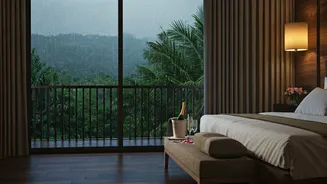
Let’s talk numbers—or at least the trends. While exact prices fluctuate, it’s common for five-star resorts and chic boutique hotels to offer rates that are 30% to 50% lower than what you’d pay during the peak tourist season from November to January. That stunning sea-view suite or private villa with a plunge pool that felt out of reach might now fit your budget. These deals often come bundled with extras like complimentary meals, spa credits, or free airport transfers, further sweetening the pot. It’s a simple case of supply and demand. By traveling when others don’t, you’re rewarded with significant savings without sacrificing comfort or luxury. You’re essentially getting a five-star experience for a three-star price.
Beyond the Beach Shacks
So, if the beach shacks are closed and swimming in the rough Arabian Sea is off-limits, what do you do? Plenty. The monsoon is the perfect time for cultural and culinary exploration. Visit a spice plantation, where the aromas of cardamom, vanilla, and black pepper hang heavy in the humid air. Wander the colorful, rain-slicked lanes of Panjim’s Latin Quarter, Fontainhas, where Portuguese colonial architecture provides a stunning backdrop. Many of Goa’s most celebrated fine-dining restaurants remain open year-round, offering a cozy refuge from the rain and a chance to dive into the region’s unique seafood-rich cuisine. It’s also an ideal season for wellness; many yoga and Ayurveda retreats offer monsoon-specific rejuvenation programs designed for introspection and relaxation.
Know Before You Go
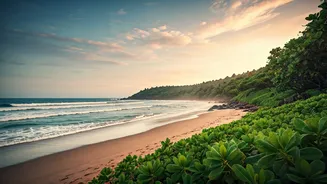
A monsoon trip to Goa requires a slight mental adjustment. This isn’t a lie-on-the-beach-all-day vacation. The sea is often too dangerous for swimming, and red flags are a common sight. While many famous beach shacks are dismantled for the season, a handful of permanent bars and restaurants on the coast stay open. Be prepared for rain, which can range from a persistent drizzle to dramatic downpours. Pack lightweight, quick-drying clothes, waterproof footwear, and a good umbrella. The humidity is high, so embrace a more relaxed pace. This trip is for travelers who appreciate moody landscapes, cultural depth, and the simple pleasure of reading a book on a covered veranda while listening to the rain fall.