


Meet Sattu: India’s Original Superfood
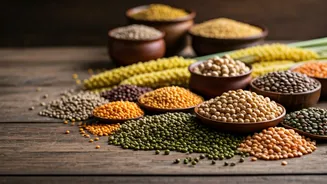
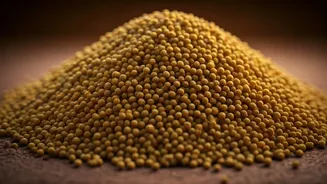
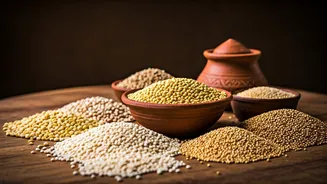
Before there were whey isolates and pea protein powders, there was sattu. At its core, sattu is a flour made from roasted grams (chickpeas or other legumes), most commonly Bengal gram. This isn't your raw, pasty-tasting chickpea flour (besan); the roasting
process gives sattu a uniquely nutty, earthy flavor and makes it ready to consume without cooking. For centuries, it’s been a staple in North and East India, particularly in states like Bihar, Jharkhand, and Uttar Pradesh. Known as a 'poor man’s protein,' it's traditionally mixed with water, salt, and spices to create a nourishing, hydrating drink that cools the body in scorching summers. It's the kind of honest, time-tested food that’s been fueling laborers and travelers for generations—a true superfood hiding in plain sight.
From Ancient Staple to Viral Smoothie
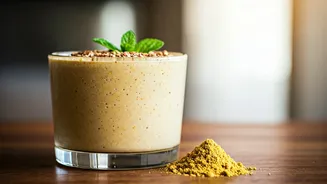
So, why the sudden buzz in the U.S., especially among younger, health-conscious crowds? The sattu smoothie’s rise is a perfect storm of modern wellness trends. Gen Z and millennials are increasingly seeking authenticity and moving away from ultra-processed supplements. Sattu fits the bill perfectly: it’s plant-based, gluten-free, minimally processed, and comes with a rich cultural story. On platforms like TikTok and Instagram, you'll see creators blending it into smoothies that look familiar but pack an unfamiliar, powerful punch. The appeal is about discovering something real—an ingredient with history—that also aligns perfectly with today’s focus on gut health, sustainable eating, and global flavors. It’s less of a fleeting fad and more of a cultural and culinary connection.
More Than Just a Protein Punch
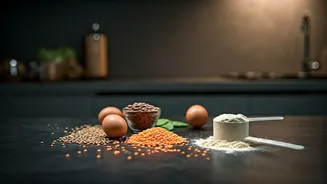
The 'high-protein' headline is what grabs attention, and for good reason—sattu contains about 20 grams of protein per 100 grams. But its benefits go much deeper. It’s incredibly rich in insoluble fiber, which is fantastic for gut health and keeps you feeling full and satisfied for hours. This high-fiber content also contributes to its low glycemic index, meaning it releases energy slowly and helps prevent blood sugar spikes. Traditionally, it's valued in Ayurvedic practices for its cooling properties, making it an ideal post-workout or summer beverage. On top of that, it’s a good source of essential minerals like iron, manganese, and magnesium. You’re not just getting a protein boost; you’re getting a complex, nutrient-dense food that supports overall wellness.
How to Make the Perfect Sattu Smoothie
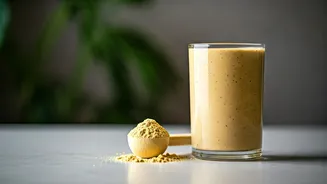
Ready to try it? Making a sattu smoothie is incredibly simple. The key is to balance its earthy flavor. Here's a classic, can't-go-wrong recipe to get you started: **Ingredients:** - 3-4 tablespoons of sattu flour - 1 cup of plain yogurt, or a plant-based alternative like almond or oat milk - 1 ripe banana, for sweetness and creaminess - 1-2 teaspoons of sweetener (jaggery, dates, maple syrup, or honey work well) - A pinch of black salt (kala namak) or regular salt to bring out the flavors - A pinch of roasted cumin powder or cardamom (optional, for a traditional twist) - ½ cup water or a few ice cubes to reach your desired consistency **Instructions:** Simply combine all ingredients in a blender and blend until smooth. Taste and adjust sweetness or thickness as needed. The sattu will thicken the drink, so add more liquid if you prefer it thinner. Feel free to experiment by adding a spoonful of peanut butter, a handful of spinach, or some chia seeds.
Where to Find It (and What to Look For)
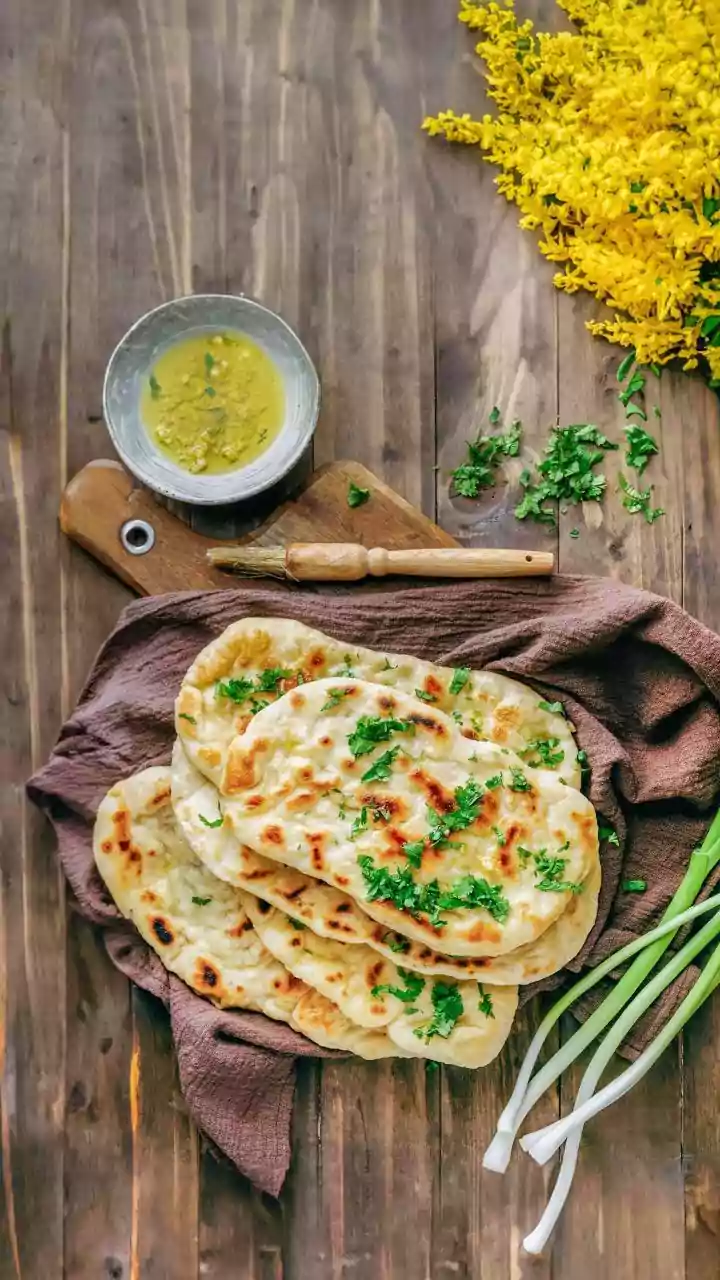
You might not find sattu in the main aisle of your average supermarket just yet, but it's easier to find than you think. Your best bet is a local Indian or South Asian grocery store, where it will be an affordable staple. Look for packages clearly labeled 'Sattu' or 'Roasted Gram Flour.' If you don't have a local store, it's widely available online through retailers like Amazon or specialized food sites. A bag is typically inexpensive and will last you a long time. When you buy it, you're not just getting a smoothie ingredient; you're getting a versatile flour you can also use to make savory parathas (flatbreads) or sweet energy balls (ladoos).