



The Plant-and-Pet Paradox
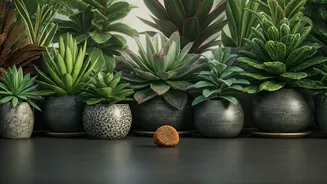
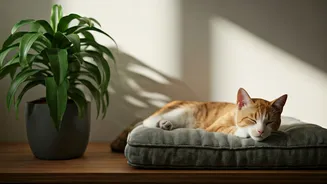
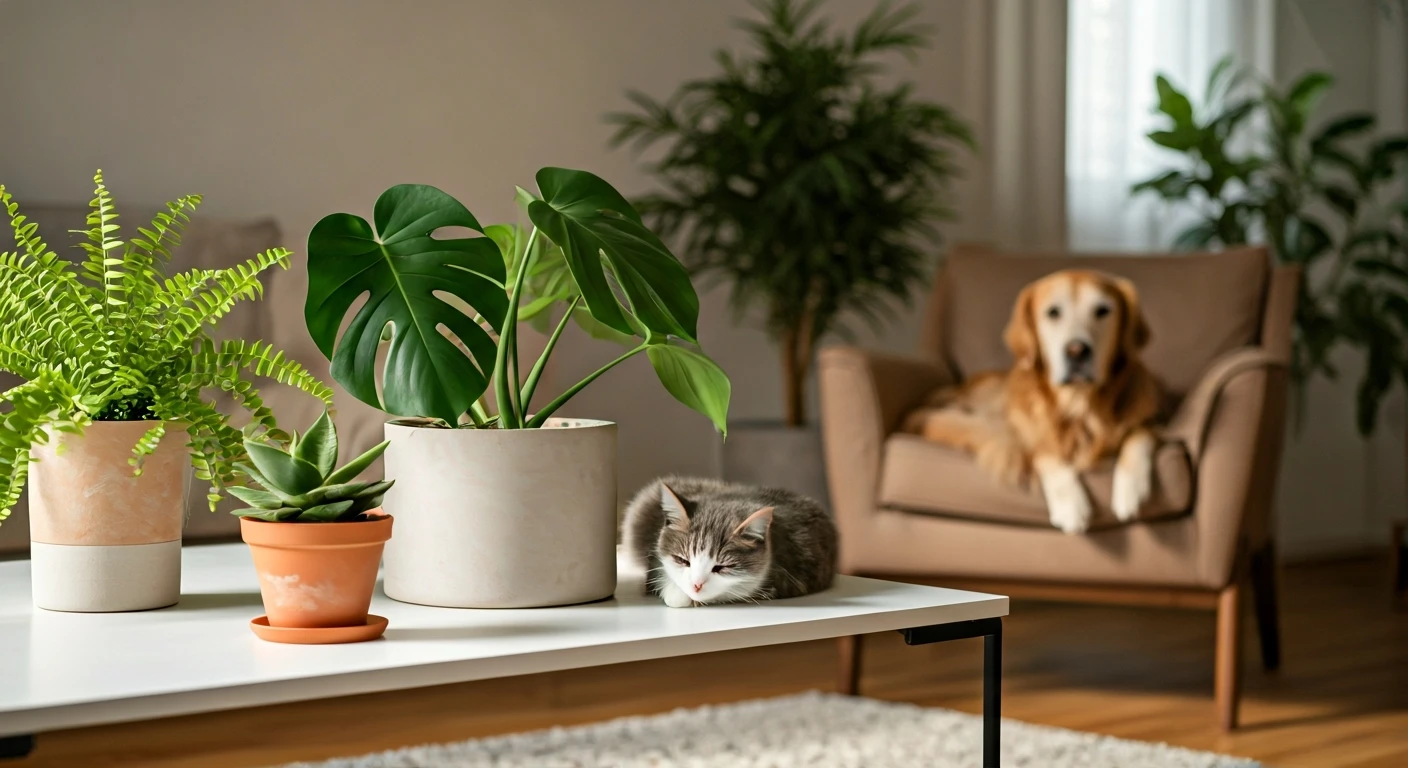
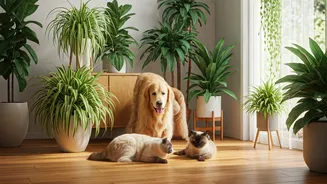
It’s a beautiful aesthetic: a sun-drenched living room filled with lush greenery, with a cat snoozing on the rug or a dog greeting you at the door. This picture-perfect scene, heavily promoted on Instagram and Pinterest, has fueled two parallel trends:
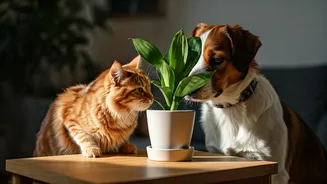
a boom in houseplant sales and a surge in pet adoption, particularly in city apartments where private green space is a luxury. But this convergence has created an unexpected domestic challenge. Many of the most popular, low-maintenance, and architecturally striking houseplants—the very ones that thrive in indoor, urban environments—are unfortunately toxic to cats and dogs if ingested. As a result, a growing number of conscientious pet owners are anxiously Googling their greenery, turning what was once a simple design choice into a high-stakes research project.
The Usual Suspects
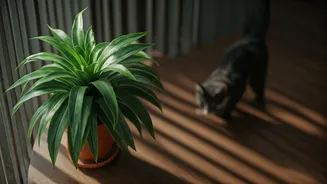
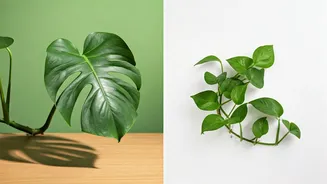
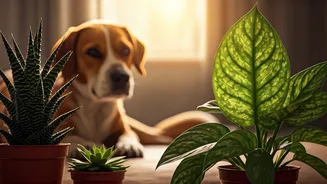
Walk into any trendy plant shop or home improvement store, and you're bound to see them. These plants are popular for a reason—they're often forgiving and beautiful—but they top the toxic lists. The Snake Plant (Sansevieria trifasciata), celebrated for being nearly indestructible, contains saponins that can cause nausea and vomiting in pets. The ubiquitous Pothos (Epipremnum aureum), with its trailing vines, and the iconic Monstera deliciosa, famous for its split leaves, both contain insoluble calcium oxalates. Chewing on these plants can cause intense oral irritation, pain, swelling of the mouth, and excessive drooling. While rarely fatal, an encounter can lead to a very uncomfortable pet and a stressful, expensive trip to the emergency vet.
Not All 'Toxic' Is a Crisis
The word “toxic” can send any pet owner into a panic, but it’s crucial to understand the spectrum of risk. The toxicity of plants varies wildly. Many common offenders, like the Pothos, cause localized irritation that typically deters pets from taking more than one exploratory bite. However, some plants pose a much more severe threat. For cats, any part of the lily plant (Lilium and Hemerocallis species) is extremely dangerous, with ingestion of even a small amount of pollen leading to acute kidney failure. Similarly, Sago Palms are highly toxic to both cats and dogs, with the seeds being the most poisonous part, potentially causing liver failure and death. Understanding these distinctions is key. It helps you prioritize what must be removed immediately versus what can be managed with careful placement.
Beautiful and Benign Alternatives
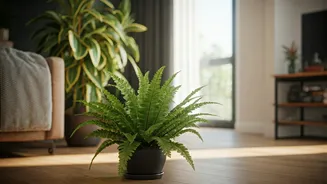
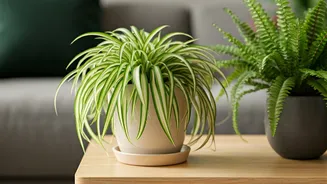
The good news is that you don’t have to choose between a green home and a healthy pet. There is a vast and beautiful world of non-toxic plants that can satisfy your design ambitions. The Spider Plant (Chlorophytum comosum) is a classic for a reason: it's easy to grow, produces charming “pups,” and is completely safe. For a pop of color and pattern, look to the Calathea family, including the Rattlesnake Plant, which has stunning, wavy-edged leaves. Boston Ferns (Nephrolepis exaltata) offer lush, feathery fronds that are perfect for adding texture to a room. And for a touch of whimsy, the Polka Dot Plant (Hypoestes phyllostachya) is pet-safe, though it may cause mild digestive upset if eaten in large quantities. A quick check of the ASPCA's extensive plant list before you buy can make all the difference.
Smarter Than the Plant List
Creating a pet-safe home goes beyond simply curating a non-toxic plant collection. Pet-proofing is a strategy. For plants that are only mildly toxic or that you can’t bear to part with, placement is everything. Use hanging planters to keep trailing vines out of reach. Place pots on high shelves or in rooms that are off-limits to your pets. You can also make plants less appealing by spraying the leaves with a bitter-tasting but pet-safe deterrent spray. Most importantly, know the signs of poisoning: drooling, vomiting, diarrhea, lethargy, or difficulty breathing. Keep the number for your veterinarian and the ASPCA Animal Poison Control Center (888-426-4435) in an easily accessible place. A little prevention and preparation can ensure your home remains a safe and beautiful sanctuary for every member of your family.