


Zucchini and Summer Squash
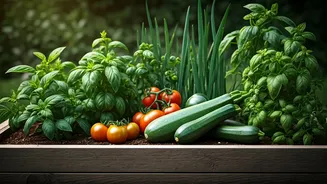
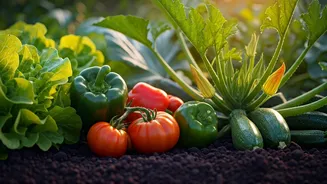
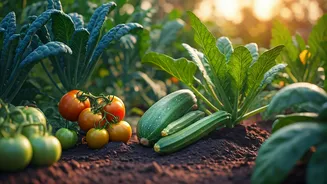
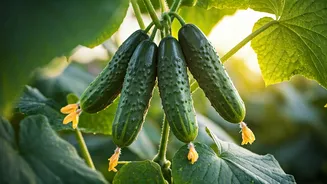
There’s a running joke among gardeners about leaving extra zucchini on neighbors’ doorsteps, and for good reason: these plants are famously productive. Zucchini and other summer squashes grow fast and produce so prolifically that a single plant can yield
more than a family can eat. They are relatively untroubled by pests, grow in average soil, and only ask for consistent sun and water. For new gardeners, the sheer volume of your harvest is a massive confidence booster. Just be sure to harvest them when they are small and tender for the best flavor; they can grow to the size of a baseball bat seemingly overnight.
Leaf Lettuce Varieties
Forget the finicky head lettuces that demand perfect conditions. Instead, opt for loose-leaf varieties like ‘Black Seed Simpson’ or ‘Oakleaf’. These are the ultimate “cut-and-come-again” plants. You can start harvesting outer leaves in just a few weeks, leaving the central plant to continue producing for months. This provides a steady, gradual supply for salads rather than a single, all-at-once harvest. They grow well in containers, thrive in the cooler weather of spring and fall, and can even tolerate some partial shade, making them perfect for less-than-ideal garden spots.
Radishes
If you want the thrill of a successful harvest in record time, plant radishes. Many varieties, such as ‘Cherry Belle,’ go from seed to spicy, crunchy root in under a month. Their incredible speed means they outpace many common pest and disease cycles. This quick turnaround provides nearly instant gratification, making them a fantastic choice for gardening with kids or for anyone who needs a quick win to stay motivated. They also require very little space, so you can tuck them in between rows of slower-growing plants or grow a satisfying crop in a small container.
Bush Beans
Unlike pole beans that require trellises and training, bush beans grow in compact, self-supporting plants that are incredibly easy to manage. They are workhorses of the garden, fixing nitrogen in the soil (which benefits other plants) while producing a generous crop of green beans. Varieties like ‘Bush Blue Lake’ are known for being reliable and disease-resistant. Simply sow the seeds directly into the soil after the last frost, keep them watered, and in about two months you’ll be snapping fresh beans right off the plant. They produce most of their crop in a concentrated window, which is great for canning or freezing.
Swiss Chard
Swiss chard is the fashion model of the vegetable garden—beautiful, resilient, and surprisingly tough. With stems in vibrant shades of red, yellow, and orange, it adds a pop of color to any garden bed. But its real strength is its durability. It’s more heat-tolerant than spinach, more cold-tolerant than most greens, and less appealing to common pests. Like leaf lettuce, chard is a cut-and-come-again green. You can harvest the outer leaves for months, and the plant will keep producing from its center. It’s a two-for-one vegetable: the leaves can be used like spinach and the stems like celery.
Kale
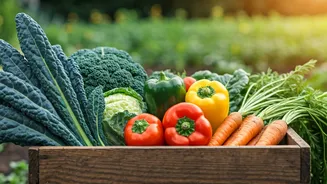
Before it was a superfood, kale was simply known as one of the toughest, most dependable greens you could grow. This plant is a survivor. It can withstand summer heat and, remarkably, its flavor actually improves after a light frost, which converts its starches into sugars. It’s extremely resistant to pests and diseases that plague more delicate greens. Whether you choose the crinkly ‘Lacinato’ (or Dinosaur) kale or the frilly ‘Red Russian’ variety, you can count on a steady supply of nutritious leaves from a single planting that can last from spring well into winter in many climates.