
Beyond the Basic Latte
For years, the arrival of fall or winter meant one thing in the American culinary landscape: a deluge of simple, sweet, and often artificial-tasting seasonal products. Pumpkin spice, peppermint mocha, and apple cinnamon became punchlines as much as they
were flavors, dominating coffee shop menus and supermarket aisles. They were comforting, predictable, and, for many, a little bit boring.But a shift is happening. In restaurant kitchens and craft cocktail bars across the country, chefs are reclaiming these so-called “basic” flavors. They’re treating pumpkin not as a sugary syrup but as a versatile squash. They’re using apple as a source of bright acidity in savory dishes. They’re exploring the cool, sharp complexity of peppermint beyond its candy cane form. The seasonal staple is no longer just a marketing gimmick; it’s becoming a canvas for genuine creativity.
The Savory Side of the Season
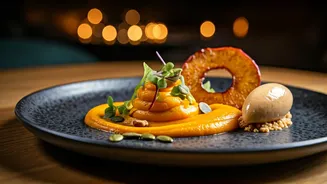
The most surprising front in this flavor revolution is the savory menu. Chefs are deconstructing our expectations by divorcing these ingredients from their sugary associations. Imagine seeing pumpkin on a menu, not in a pie, but as a rich, earthy base for a mole sauce served with duck confit. Or think of butternut squash, roasted and pureed into a silky soup, but finished with a drizzle of sage-infused brown butter and toasted pumpkin seeds for texture and depth.This trend is rooted in a simple truth: pumpkin, apple, and cranberry are, first and foremost, agricultural products. They’re produce. Innovative chefs are simply treating them as such. You might find apples, traditionally relegated to dessert, being thinly sliced into a crisp slaw with fennel and a sharp vinaigrette to cut through the richness of a pork belly dish. This approach challenges diners, asking them to reconsider an ingredient they thought they knew. It transforms a simple flavor into a point of discussion at the table.
Cocktails Get a Crafty Makeover
The craft cocktail movement has been instrumental in elevating seasonal flavors. Bartenders, or mixologists, have moved far beyond just adding a splash of cinnamon syrup to a drink. They’re now employing sophisticated techniques to extract nuanced flavors.You’ll find bars infusing bourbon with roasted apples and whole spices for a complex Old Fashioned that tastes like autumn in a glass, without the cloying sweetness. They’re creating homemade shrubs—tart, vinegar-based fruit syrups—with cranberries and rosemary to build complex, non-alcoholic options or add an acidic backbone to a gin cocktail. Even peppermint is being used more thoughtfully, with bartenders using fresh mint or high-quality crème de menthe to create clean, crisp flavors that serve as a refreshing counterpoint in a winter drink, rather than a sugary afterthought.
Why Chefs Are Leaning In
So, why the change? It’s a mix of creative ambition and savvy business. For chefs, using a familiar flavor like pumpkin is a Trojan horse. It’s an accessible entry point on the menu that provides a comforting sense of nostalgia. But by presenting it in a novel way—like in a savory gnocchi—they can guide their customers toward a more adventurous dining experience. It’s a way to innovate without alienating.Furthermore, this trend aligns perfectly with the farm-to-table movement. Using seasonal ingredients when they are at their peak freshness is a core tenet of modern American cooking. By highlighting a perfect autumn apple or a late-summer peach, chefs are not only delivering the best possible flavor but also telling a story about time, place, and the local agricultural ecosystem. It connects the diner to the season in a way a mass-produced syrup never could.