



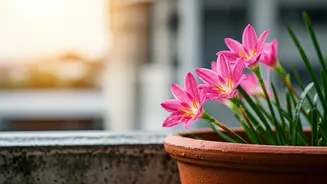


Meet the Surprise Bloomer
What exactly is a rain lily? Belonging to the genus *Zephyranthes*, these small, bulb-forming perennials are also known as fairy lilies, zephyr lilies, or storm lilies. Native to the Americas, they’ve adapted to climates with distinct wet and dry seasons.
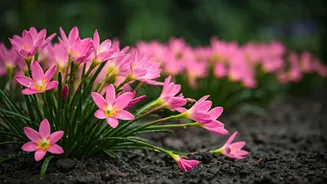
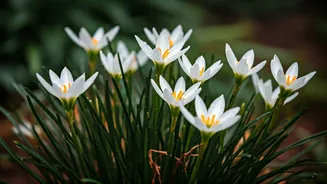
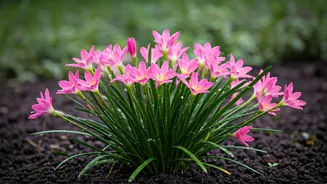
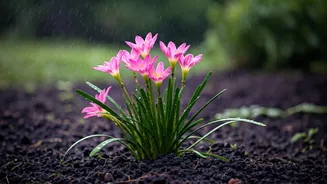
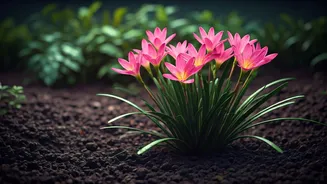
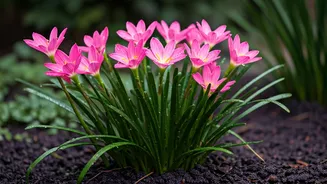
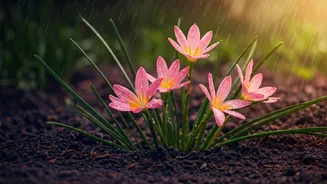
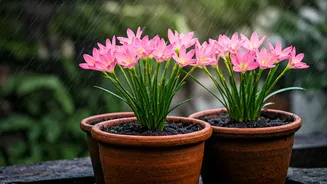
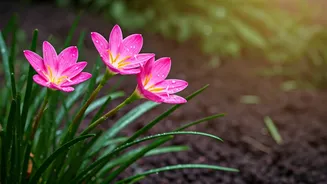
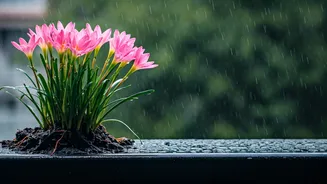
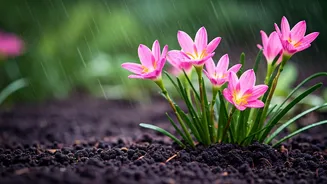
Their charm lies not just in their delicate, crocus-like flowers, but in their timing. For most of the season, you might forget they’re even there, with only their grassy, chive-like foliage visible. Then, a heavy downpour arrives, and what felt like an empty patch of soil suddenly erupts in a flush of pink, white, or yellow blossoms just a few days later. This sudden, almost magical appearance is what earns them their reputation as nature’s little surprise party.
The Science of the 'Monsoon' Bloom
The “monsoon miracle” isn’t magic—it’s a brilliant survival strategy. Rain lilies are triggered to bloom by two key factors: a significant influx of moisture and, according to some botanists, the drop in barometric pressure that often precedes a storm. When the bulbs receive a thorough soaking after a dry spell, it signals that conditions are perfect for reproduction. In a matter of days, the plant rapidly sends up a flower stalk, blooms, and sets seed, completing its cycle before the next dry period begins. You don’t need an actual monsoon to witness this; a deep, deliberate watering with a garden hose after letting the soil dry out can often trick the bulbs into putting on their show. This makes them one of the most interactive and rewarding plants for gardeners who enjoy a bit of drama.
Planting Your Pop-Up Flower Show
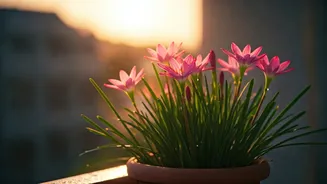
Getting rain lilies established is wonderfully simple. The best time to plant the small, onion-like bulbs is in the spring, after the danger of frost has passed, or in the fall in warmer climates. Choose a spot that receives full to partial sun. While they aren’t fussy, they perform best in well-draining soil; if you have heavy clay, amend it with compost or sand to prevent the bulbs from rotting. Plant the bulbs about one to two inches deep and two to four inches apart. Because the flowers are small, they have the greatest impact when planted in generous drifts or clusters. They are perfect for lining a walkway, tucking into rock gardens, or creating a dense, flowering border. They also thrive in containers, where their surprise blooms can be enjoyed up close on a patio or balcony.
Simple Care for Stunning Results
Rain lilies are the definition of low-maintenance. Once planted, they require very little from you. During their growing season from spring to fall, they appreciate average moisture but are quite drought-tolerant. The key is the wet-dry cycle. If you haven’t had rain in a while and want to encourage a bloom, give them a deep, thorough watering and wait. They generally don’t require fertilizer, but a light feeding with a balanced, all-purpose fertilizer in the spring can be beneficial. In terms of hardiness, most varieties are suitable for USDA Zones 7–10. In colder zones, you can grow them as annuals or dig up the bulbs in the fall after the foliage dies back, store them in a cool, dry place over winter, and replant them in the spring.
A Rainbow of Rain Lily Choices
While all rain lilies share their charming blooming habit, you have a few options when it comes to color. The most common and robust variety is *Zephyranthes candida*, which produces pristine white flowers. For a splash of cheerful pink, look for *Zephyranthes grandiflora* or the popular 'Rosea' cultivar. And for a buttery yellow, *Zephyranthes citrina* is a fantastic choice. Mixing the different colors together can create a beautiful, confetti-like effect when they all decide to bloom at once. Because they multiply over time, your small patch of rain lilies will slowly spread, creating an even more impressive display with each passing year.