



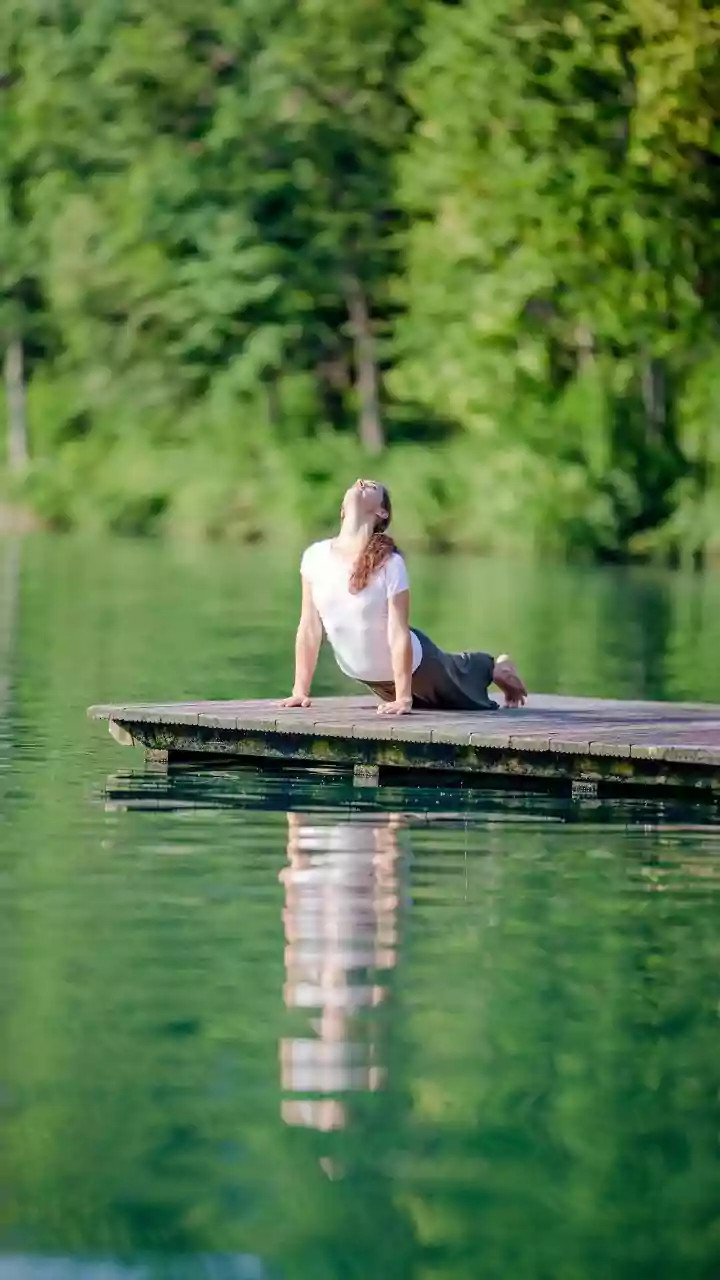



The Great Unplugging
The feeling is familiar: a phantom buzz in your pocket, an urge to refresh a feed, the low-grade hum of anxiety that you’re missing something. For years, wellness was often framed as an additive process—more supplements, more workouts, more productivity
hacks. But a collective case of digital burnout, supercharged by years of screen-heavy living, is fueling a pivot. The new frontier of well-being isn't found in an app; it's found in the deliberate act of closing it. This shift prioritizes JOMO (the Joy of Missing Out) over FOMO (the Fear of Missing Out). It’s an acknowledgment that our brains, besieged by a constant stream of information, need periods of quiet to reset, process, and recover. Summer, with its promise of longer days and a slower pace, provides the perfect container for this intentional downshift.
From 'Doing' to 'Being'
For many, summer became another season to optimize—a checklist of rooftop bar visits, beach days, and perfectly curated vacation photos. This new wave of wellness asks us to release the pressure of the ‘perfect summer’ and embrace a state of being instead. Stillness doesn’t necessarily mean meditating on a cushion for hours (though it can). It’s about single-tasking, or even no-tasking. It’s the permission to sit on your porch and just watch the world go by, to lie in the grass and find shapes in the clouds, or to listen to an entire album without simultaneously tidying the kitchen and answering emails. It reclaims leisure as a restorative act in itself, not as a brief, frantic interlude between work obligations. By consciously choosing moments of non-productivity, we’re not being lazy; we’re actively tending to our mental and emotional health.
Find Your Pockets of Stillness
Embracing stillness doesn’t require a silent retreat or a week-long cabin getaway. The most sustainable approach is to build small pockets of quiet into your existing routine. Start by identifying the moments you instinctively reach for your phone out of boredom or habit: waiting for coffee, standing in line, the first five minutes after you wake up. Try replacing that impulse with a simple, analog alternative. Notice the sounds around you. Take three deep, conscious breaths. Look out a window and actually see what’s there. Another powerful technique is the 'tech sunset': designate a time each evening, perhaps an hour before bed, when all screens are put away. This simple boundary can dramatically improve sleep quality and create a calming ritual to close out the day.
Curate a Lower-Stimulation Space
Our physical environment profoundly impacts our mental state. A cluttered, chaotic space can contribute to a cluttered, chaotic mind. You can support your quest for stillness by curating a corner of your home to be a low-stimulation zone. This doesn’t require a complete redesign. It can be as simple as a comfortable chair by a window with a small stack of books, free from visible electronics. Keep the area tidy and reserved for quiet activities like reading, journaling, or simply sitting. On a digital level, do the same for your phone’s home screen. Move distracting social media and news apps off the main page and into a folder. Turn off non-essential notifications. Creating friction—making it slightly harder to access digital noise—gives you the crucial pause needed to decide if that’s really how you want to spend your time.
Embrace the 'Boring' Summer Activities
The greatest joy of this trend is the revival of simple, 'boring' pleasures. Think of the things you did during summer as a kid, before a smartphone was a factor. Go for a walk without headphones and just listen to the neighborhood. Visit the local library and browse the shelves aimlessly. Try your hand at birdwatching from your own backyard. These activities are powerful because they are unitask-oriented; they engage the senses in a gentle, focused way that is the polar opposite of scrolling through a chaotic feed. They ground you in the physical world and in the present moment. Learning to enjoy these quiet, uneventful moments is a skill—and like any skill, it gets easier with practice. It's the ultimate antidote to a culture that tells us we must always be entertained.