
First, What Is Biophilic Design?
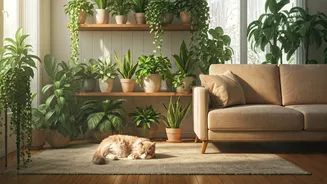
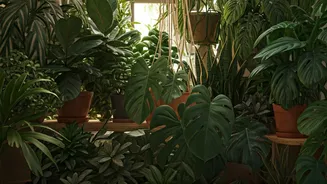
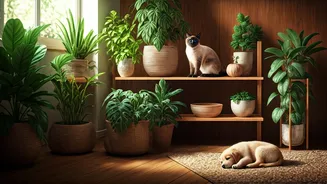
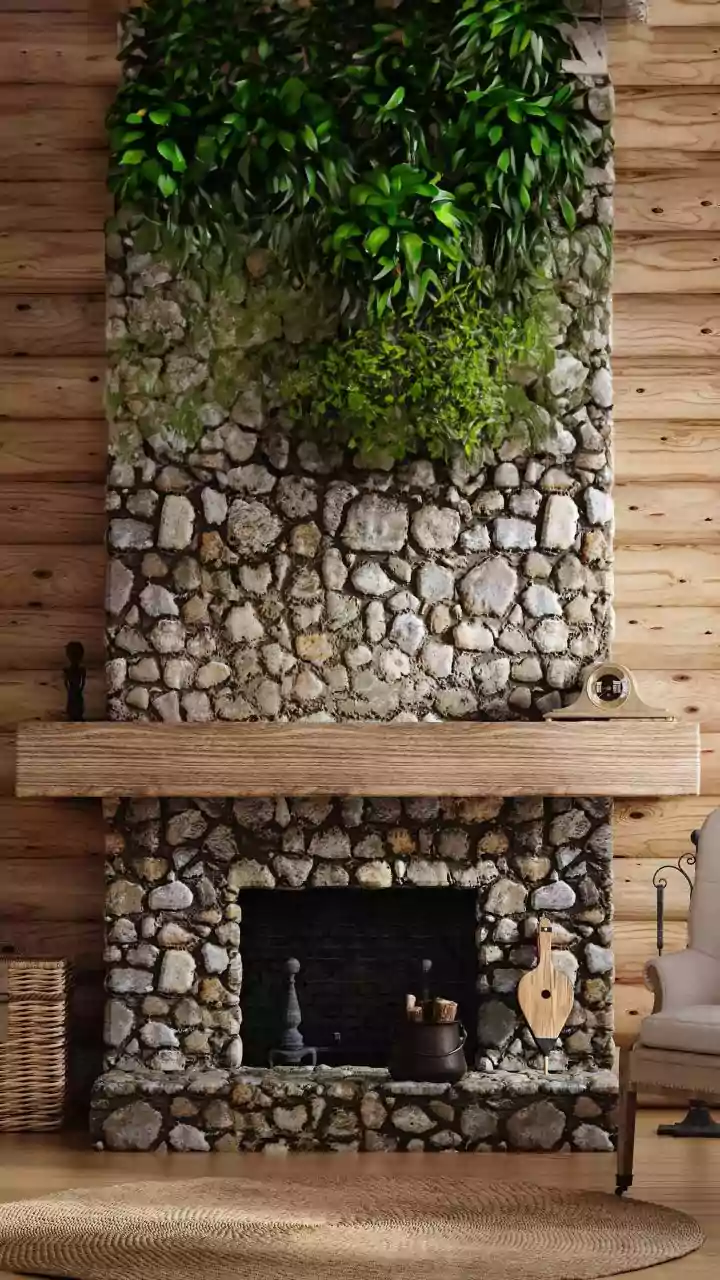
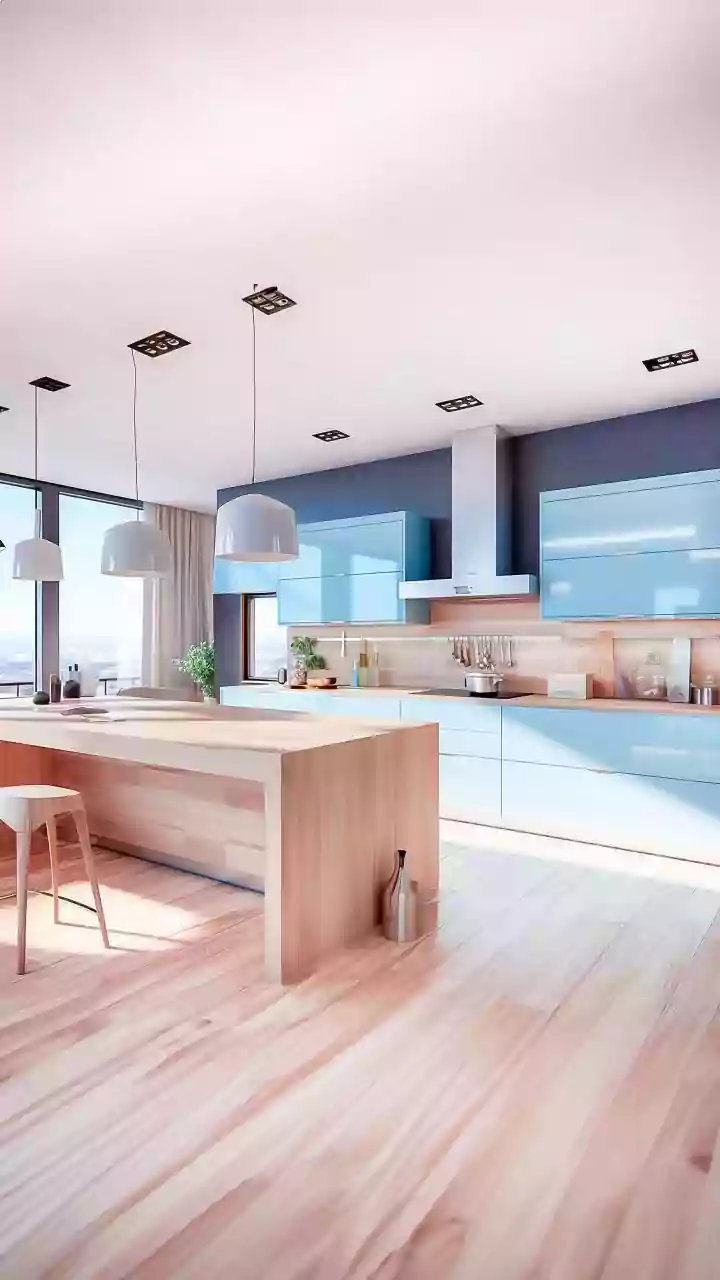
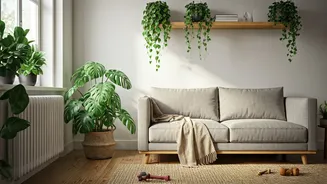
You’ve seen it all over social media: airy living rooms overflowing with fiddle-leaf figs and monsteras, natural wood textures, and sunlight streaming through large windows. This is biophilic design in action. The term, meaning “love of life,” refers
to an architectural and interior design approach that connects people more closely to nature. It’s more than just buying a few houseplants; it’s a holistic philosophy that uses natural light, organic materials, plant life, and even views of nature to create a calming, restorative indoor environment. The goal is to satisfy our innate, biological need to affiliate with the natural world, which can reduce stress and improve overall well-being. Think of it as designing your home to feel less like a box and more like a habitat.
The Benefits for You and Your Pet
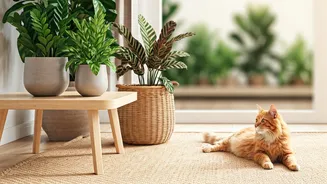
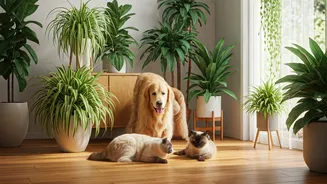
The perks of a nature-inspired home for humans are well-documented, from boosted creativity to lower blood pressure. But our animal companions can reap the rewards, too. A home filled with non-toxic plants provides sensory enrichment for cats and dogs, offering new smells and textures to explore. For indoor cats, a carefully curated collection of cat grass or catnip can provide a safe, stimulating outlet for their natural grazing instincts. The improved air quality from certain plants is a bonus for every living being under your roof. By thoughtfully incorporating these elements, you’re not just decorating; you’re creating a shared sanctuary that enhances the quality of life for both you and your pet.
Your Go-To List of Pet-Safe Plants
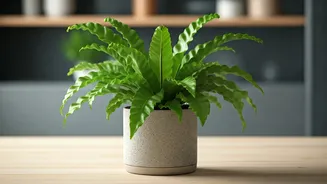
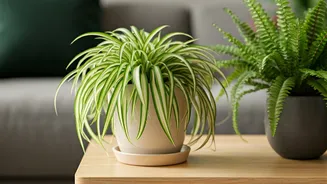
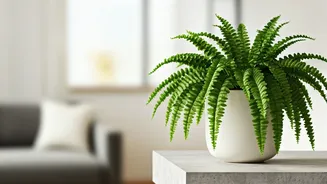
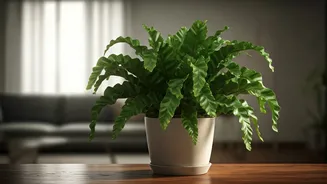
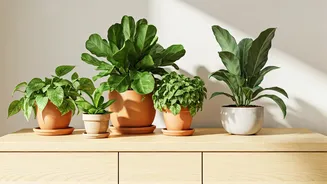
The biggest hurdle for pet owners is navigating the world of toxic and non-toxic plants. Fortunately, many beautiful and popular houseplants are completely safe for curious cats and dogs. According to the ASPCA, these are some of the best choices to get you started: * **Spider Plant (Chlorophytum comosum):** Hardy, air-purifying, and produces fun “spiderettes” that are perfect for propagating. It's a classic for a reason. * **Calathea (Prayer Plant):** Known for its stunning, ornate leaves that fold up at night. They come in dozens of varieties, all of which are non-toxic. * **Boston Fern (Nephrolepis exaltata):** This lush, feathery fern loves humidity, making it a great addition to a bright bathroom. It's perfectly safe for pets. * **Money Tree (Pachira aquatica):** With its braided trunk and vibrant leaves, this plant is believed to bring good fortune—and it won't bring any harm to your pets. * **Parlor Palm (Chamaedorea elegans):** A low-maintenance palm that thrives in lower light, adding a touch of tropical elegance without the risk.
Creating a Safe Green Sanctuary
Beyond choosing the right species, how you arrange your green space matters. To create a truly pet-safe environment, consider placement and materials. Use heavy, sturdy pots that a rambunctious dog or curious cat can't easily knock over. For climbing cats or dig-happy dogs, hanging planters and wall-mounted shelves are your best friends. They keep plants out of reach while adding vertical interest to your room. When potting, ensure your soil and fertilizers are organic and free from harmful chemicals. You can also cover the top layer of soil with decorative stones (too large to be swallowed) to deter digging. These small adjustments help create a space where your plants can thrive and your pets can roam safely.
Plants to Keep Off the Windowsill
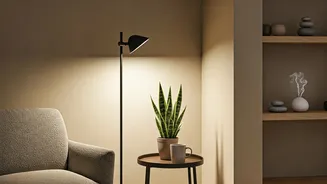
Just as important as knowing what’s safe is knowing what’s dangerous. Many trendy and common houseplants are highly toxic to cats and dogs and should be avoided entirely in a pet-friendly home. Topping the list are all types of lilies, which can cause kidney failure in cats from a single bite or even from drinking the vase water. Other popular but perilous plants include the Sago Palm (extremely toxic), Dieffenbachia (Dumb Cane), Pothos, and the iconic Fiddle-Leaf Fig, all of which can cause varying degrees of oral irritation, vomiting, and other serious health issues. When in doubt, a quick search on the ASPCA’s Toxic and Non-Toxic Plants database is the best way to confirm a plant’s safety before bringing it home.