






More Than Just Yoga
When Americans think of wellness in India, images of ashrams, ancient Ayurvedic treatments, and spiritual gurus often come to mind. But the wellness wave sweeping through the affluent neighborhoods of New Delhi looks surprisingly familiar to anyone from
Los Angeles or New York. It’s a scene driven by boutique fitness studios, cold-pressed juice bars, and a social-media-savvy generation eager to showcase their healthy habits. This isn’t your grandmother’s morning yoga session; it’s a fully commercialized, branded, and highly curated lifestyle. In South Delhi hotspots like Greater Kailash and Shahpur Jat, the air, thick with the scent of traffic and street food, now also carries the aroma of freshly brewed single-origin coffee and avocado toast served in minimalist, plant-filled cafes. This new wellness is about creating a personal bubble of calm, health, and status in one of the world's most hectic megacities.
The New Temples of Well-Being
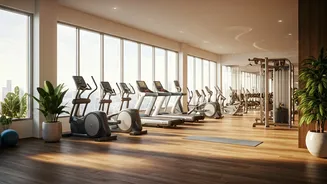
The movement’s physical spaces are its modern temples. Instead of sprawling, traditional yoga centers, you find intimate, design-forward studios offering everything from aerial yoga and Pilates to high-intensity interval training. These aren’t just places to work out; they are community hubs where members network and socialize. After class, the crowd might head to a cafe like Greenr or Getafix, which specialize in plant-based, gluten-free, and keto-friendly menus—concepts that were virtually nonexistent in the city a decade ago. Shopping for this lifestyle has also become an event. Athleisure is no longer just for the gym; it’s a status uniform. Global brands like Lululemon have a growing presence, but local, sustainable fashion labels are also thriving, offering organic cotton leggings and hand-woven activewear that signal both eco-consciousness and disposable income. It's a holistic aesthetic, carefully constructed and broadcast on Instagram feeds.
An Antidote to Urban Chaos
So, why is this happening now? For many Delhiites, the wellness boom is a direct response to the pressures of modern urban life. The city is notorious for its hazardous air pollution, relentless noise, and high-stress corporate culture. For the burgeoning middle and upper classes, who have more financial freedom than any generation before them, investing in wellness is a form of self-preservation. It's a way to reclaim control over their health and environment. A session in a sound-proofed meditation studio or a weekend at a luxury wellness retreat just outside the city offers a much-needed escape. This isn’t merely a luxury; for many, it feels like a necessity—an essential toolkit for surviving and thriving in a city that can be as draining as it is dynamic.
The Aspirational Economy
Ultimately, the rise of wellness in Delhi is a story about aspiration. Adopting this lifestyle is a powerful social signifier. It signals that you are modern, globally aware, and successful enough to afford it. A monthly membership to a boutique gym can cost as much as many Indians earn in a month. Posting a photo from a Himalayan wellness retreat or a perfectly plated quinoa salad is a declaration of social standing. This trend is fueled by a new generation of Indian influencers who embody this globalized identity, blending Western wellness trends with a subtle nod to Indian heritage. For their millions of followers, this lifestyle represents the pinnacle of success—a harmonious blend of physical health, mental peace, and material prosperity. It’s less a quiet, personal journey and more a public performance of self-improvement.