





The New Fitness Uniform
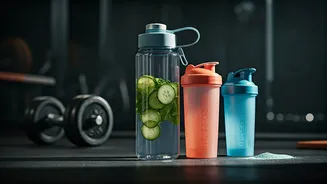
Not so long ago, fitness status was signaled by Lululemon leggings, an A-list trainer, or a membership to an exclusive gym. Today, the ultimate accessory isn't worn, it's carried. The ubiquitous 40-ounce tumbler or gallon-sized jug, often adorned with
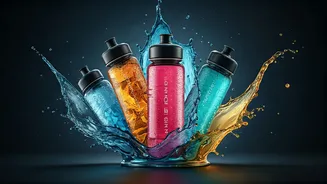
motivational time-markers, has become a key part of the modern fitness uniform. It’s a visual shorthand that says, “I’m serious about this.” This isn’t just about having water on hand; it's about broadcasting a commitment to a lifestyle of optimization. The container itself—whether a Stanley Quencher, a Hydro Flask, or an Owala FreeSip—functions as a tribe signifier, a carefully chosen piece of gear that communicates personal brand as much as it does a commitment to wellness.
Beyond Water: The Rise of Electrolyte Mix-Ins
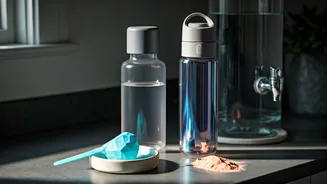
Alongside the giant bottles is an entire ecosystem of powders, tablets, and tinctures designed to “optimize” your water. Brands like Liquid I.V., LMNT, and Nuun have transformed the simple act of drinking water into a customizable ritual. Promising faster hydration, replenished electrolytes, and improved performance, these colorful packets have become a pre- and post-workout necessity for many. The marketing is brilliant, tapping into a desire for marginal gains. You aren’t just drinking water; you’re engaging in “cellular hydration.” While electrolytes like sodium, potassium, and magnesium are crucial for bodily function, especially for endurance athletes or those sweating profusely, the average gym-goer likely replenishes them sufficiently through their diet. Yet, the ritual of mixing a brightly colored, pleasantly flavored powder into your water feels proactive and scientific, turning a mundane biological need into a strategic wellness choice.
Performance or Performative Wellness?
This is the central question: do these elaborate rituals actually make a difference, or are they more about the psychology of performance? For many, the answer is both. The placebo effect is powerful. The act of preparing a special drink or committing to finishing a gallon of water by day's end can create a sense of control and discipline that translates into a more focused workout. It's a form of self-signaling. By performing the ritual, you are telling yourself that you are the kind of person who takes their health seriously. This externalizes commitment, making it feel more real and holding you accountable. But it's also a performance for others. In a culture saturated with wellness content, publicly displaying your hydration strategy is a way to participate in the broader conversation, aligning yourself with a community of like-minded, health-conscious individuals.
The Commercialization of Thirst
Ultimately, the hydration ritual trend is a masterclass in modern marketing. It identified a universal human need—thirst—and successfully repackaged it as a problem in need of a high-tech, aesthetically pleasing, and marketable solution. It created an insecurity (are you hydrating *correctly*?) and then sold the cure. This mirrors trends in skincare, where a simple routine of cleansing and moisturizing has ballooned into a 10-step, product-heavy ritual. Companies have turned hydration into a category of consumer spending, complete with recurring revenue from powder subscriptions and seasonal color drops for water bottles that drive collectors into a frenzy. We are not just buying water bottles; we are buying into an identity, an aesthetic, and a sense of belonging in the ever-evolving church of wellness.
What You Actually Need
So, how much of this is necessary? According to most dietitians and sports scientists, the fundamentals remain simple. Drink when you’re thirsty. A healthy diet rich in fruits and vegetables provides a significant amount of both water and electrolytes. For most people engaging in moderate exercise for an hour or less, plain water is perfectly sufficient. The need for electrolyte supplementation is typically reserved for intense, prolonged exercise (over 90 minutes), activity in extreme heat, or specific medical conditions. The color of your urine is still a reliable, low-tech indicator of hydration status—pale yellow is the goal. The high-end water bottle and salty powders might make your fitness journey feel more official, but they are accessories, not prerequisites, to a healthy lifestyle.