



The Land in the Rain Shadow
To understand Ladakh's magic, you first need to understand its geography. While the rest of the Indian subcontinent is drenched by monsoon clouds from June to September, Ladakh remains blissfully arid. It sits in a 'rain shadow,' a meteorological phenomenon
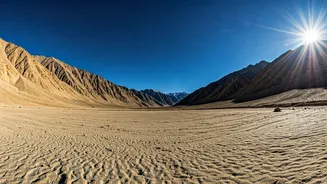
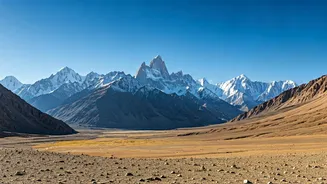
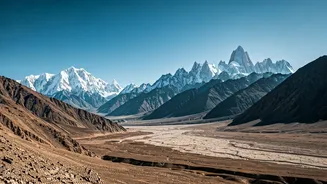
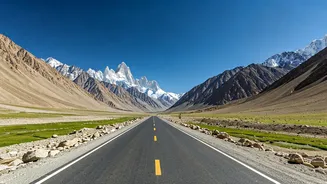
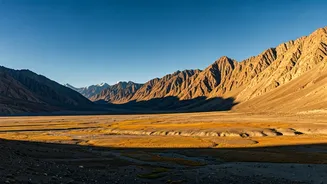
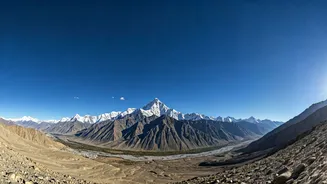
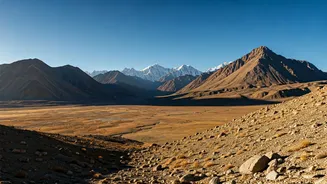
where the towering Himalayan peaks act as a colossal barrier, blocking the moisture-laden winds. The result is a starkly beautiful cold desert, a landscape that feels more like Tibet or the surface of the moon than the tropical, bustling India of popular imagination. For travelers—and Indians themselves—fleeing the oppressive humidity of cities like Mumbai or Delhi, Ladakh isn't just a destination; it's a physical and atmospheric relief. The air here, thin and clean, is an antidote to the sweltering plains below. It’s a place where you can breathe deeply and see for miles, a sensory reset button in one of the world's most climatically diverse nations.
A Landscape of Raw Beauty
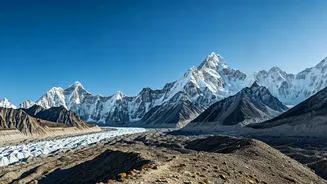
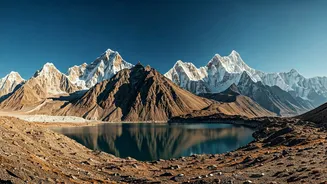
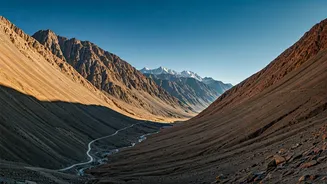
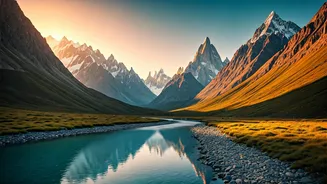
Ladakh's dryness is not a void; it’s the canvas for some of the most breathtaking scenery on Earth. This is not a land of gentle, rolling greens. It’s a dramatic composition of extremes. Jagged, snow-dusted mountains are streaked with mineral deposits of purple, green, and ochre. The Indus and Zanskar rivers cut through the barren valleys, their waters ranging from glacial turquoise to deep sapphire. The light itself is different here. At an average elevation of over 11,000 feet, the sun is unfiltered and intense, casting sharp shadows and making colors pop with an almost supernatural vibrancy. The centerpiece of this otherworldly beauty is often Pangong Tso, a massive high-altitude lake that stretches into Tibet. Its brackish waters famously shift in color from brilliant blue to green to gray throughout the day, a mesmerizing spectacle against a backdrop of barren brown peaks. It’s a place that forces you to recalibrate your definition of beauty.
Culture Carved from the Clouds
The stark environment has shaped not just the land but also the people. Ladakh is a region where Tibetan Buddhist culture has flourished for centuries, its isolation preserving a unique way of life. Prayer flags flutter from every vantage point, their colors a stark contrast to the muted landscape, sending blessings on the relentless wind. The most iconic symbols of this heritage are the gompas, or monasteries, that seem to defy gravity. Perched on hilltops or clinging to sheer cliff faces, fortresses of faith like Thiksey, Hemis, and Diskit are not just tourist sites; they are living centers of learning and worship. Visiting one often means climbing steep stone steps, entering courtyards filled with the low hum of chanting monks and the scent of butter lamps. This spiritual atmosphere, combined with the quiet resilience of the Ladakhi people, offers a profound sense of peace that’s a world away from the chaos of modern urban life.
The Modern Adventurer’s Playground
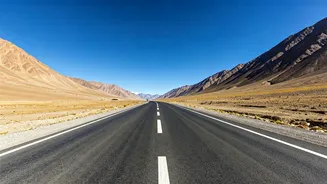
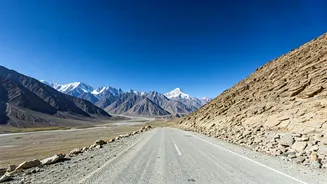
While its spiritual side is deep, Ladakh has also become a premier destination for adventure seekers. The region's rugged terrain and high-altitude passes provide a thrilling challenge. Motorcyclists and road-trippers come from around the world to tackle the Khardung La, once touted as the world's highest motorable pass, for bragging rights and unparalleled views. Trekkers find a paradise of trails, from the popular 'Sham Valley' trek for beginners to the arduous multi-week journey across the frozen Zanskar River in winter. For thrill-seekers, the Zanskar River also offers some of the most exciting white-water rafting in India during the summer months. This blend of adventure and raw nature makes Ladakh a dynamic destination. It’s a place where you can spend one day meditating in a centuries-old monastery and the next navigating a hairpin turn on a mountain road, with the vast, silent landscape as your constant companion.