



Beyond the Obligatory Veggie Burger
Scan a menu at a trendy bistro or even a neighborhood gastropub today, and you’ll notice something different. It’s not just the token veggie burger or pasta primavera anymore. We’re talking about whole roasted cauliflower with tahini and pistachios, smoked
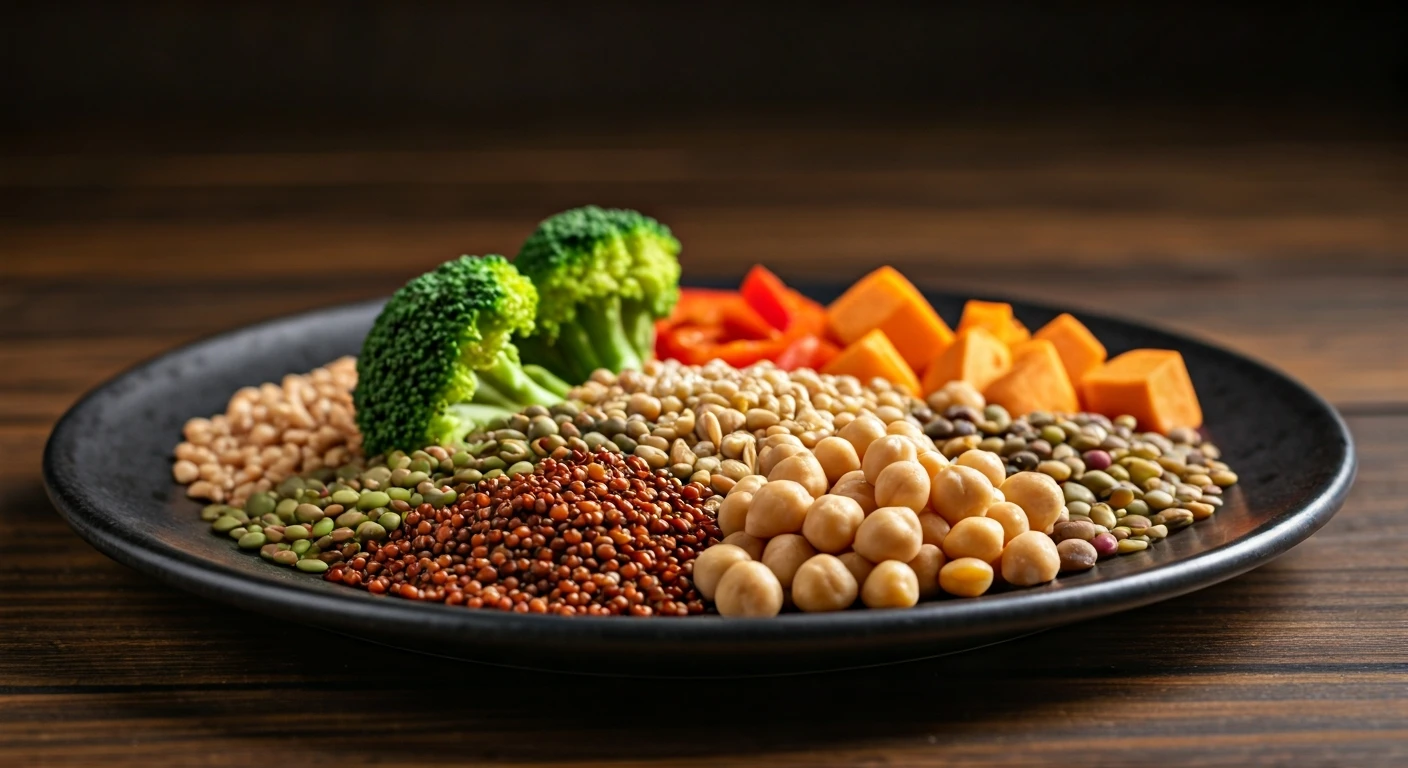
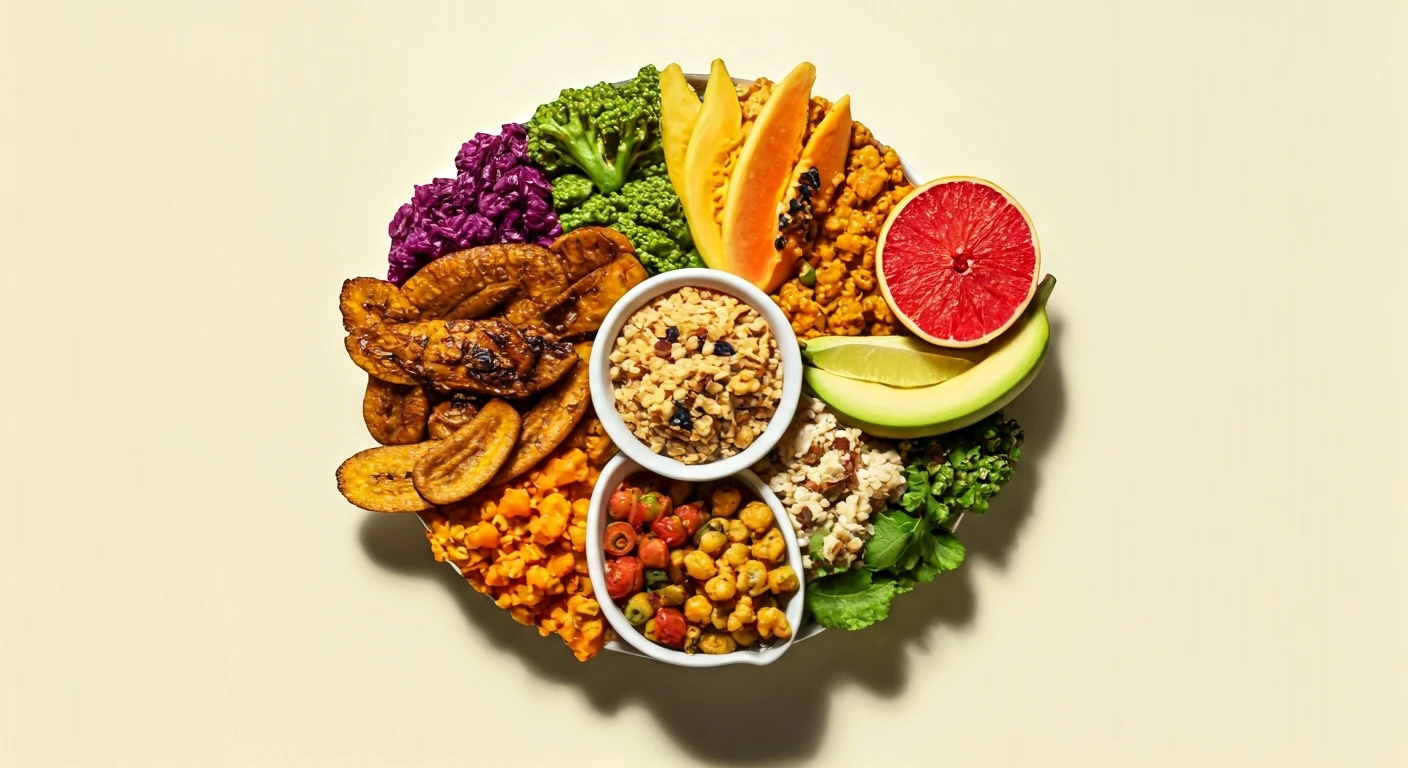
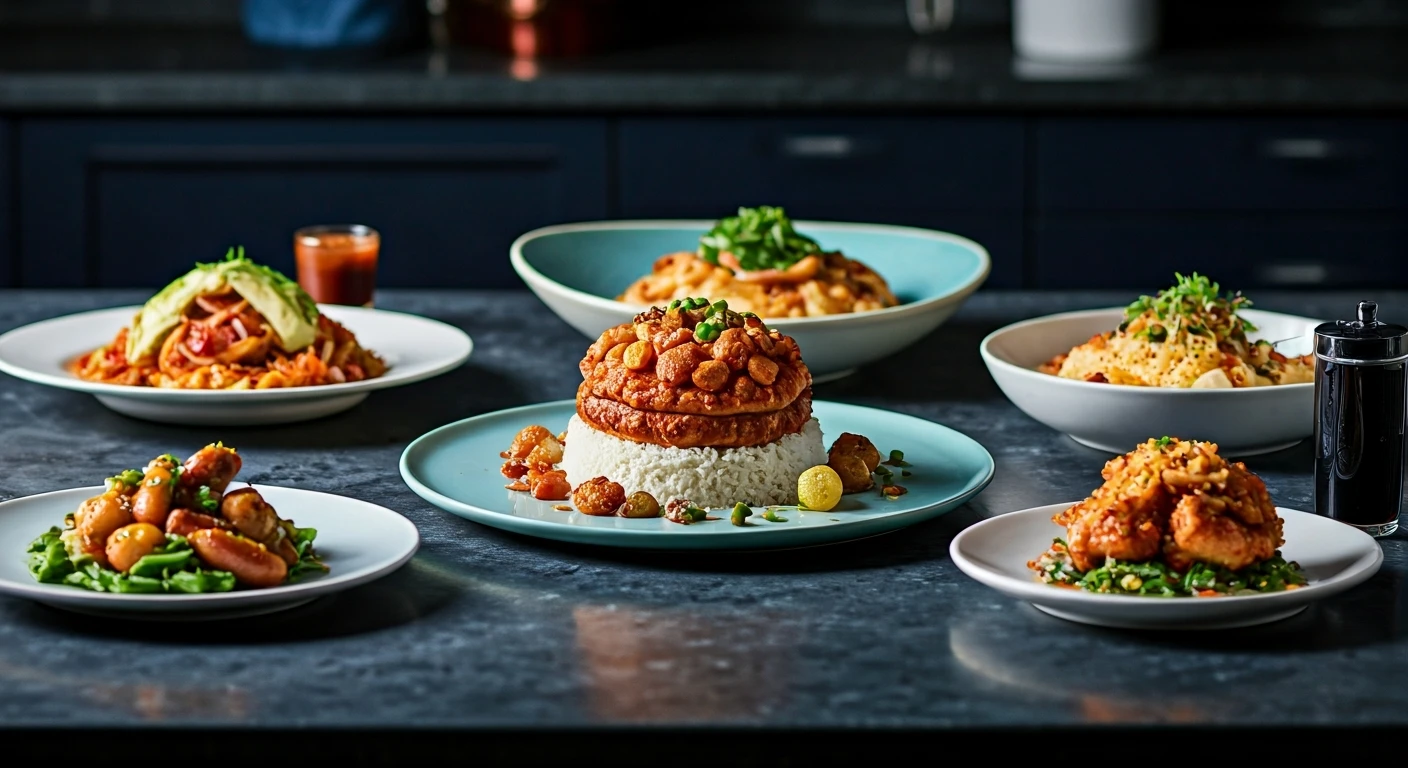
carrots served like lox on a bagel, or a hearty mushroom and farro grain bowl that has carnivores doing a double-take. This shift isn't just about catering to vegetarians and vegans; it's a fundamental change in culinary philosophy. Chefs are treating vegetables with the same reverence, creativity, and technique once reserved exclusively for prime cuts of meat and fish. The goal isn't to create a meat substitute, but to celebrate the vegetable for its own unique potential. It’s a move from plant-based eating as a dietary restriction to plant-forward cooking as a creative choice.
The Flavor-First Revolution
So, what changed? In a word: technique. The days of bland, steamed vegetables are over. Today’s chefs are using high-heat roasting, charring, grilling, and smoking to unlock deep, savory, and complex flavors. The Maillard reaction—that magical browning process that gives a steak its crust—works just as well on a halved cabbage or a thick slice of sweet potato. Innovative chefs are also embracing global flavors and ancient preservation methods. Fermentation adds tangy, umami-rich notes to everything from kimchi-style Brussels sprouts to beet kvass. Ingredients like miso, gochujang, and harissa are being used to create bold marinades and sauces that elevate a simple vegetable into something extraordinary. The iconic “cauliflower steak,” once a punchline, is now a testament to this new approach: a thick-cut slab, seared to a deep golden-brown, and served with a robust sauce, it eats like a satisfying main course because it’s designed to be one.
Driven by Diners and Dollars
This culinary evolution is being fueled by powerful consumer and economic trends. Diners, particularly Millennials and Gen Z, are increasingly conscious of the health and environmental impacts of their food choices. They are actively seeking out lighter, more sustainable options without wanting to sacrifice flavor or the social experience of dining out. A vegetable-forward dish often feels both indulgent and virtuous—a win-win for the modern consumer. For restaurateurs, the math is just as compelling. High-quality, seasonal vegetables are often more affordable and have more stable pricing than premium proteins like beef, scallops, or tuna. By creating a stunning, high-value dish from a head of cabbage or a bunch of carrots, a chef can deliver a memorable experience for the diner while achieving a healthier profit margin for the business. It’s a rare instance where what’s good for the planet and the patron is also good for the bottom line.
Redefining the Center of the Plate
The result is a thrilling new landscape for American diners. The “center of the plate” is no longer a concept owned by protein. At acclaimed restaurants, you might find a dish of ember-roasted leeks served with a creamy romesco sauce, looking as regal as any filet. A beet tartare, finely diced and seasoned, can mimic the jewel-toned appeal and satisfying texture of its raw-tuna counterpart. These dishes are visually stunning, texturally complex, and profoundly flavorful. They demand attention and have become menu standouts that generate buzz and Instagram posts. They prove that a meal doesn't need meat to feel complete, luxurious, or deeply satisfying. It just needs creativity, skill, and a respect for the ingredient, no matter where it comes from.