




The New Look of Strength
For decades, the cultural image of strength training was narrow and intimidating. It conjured visions of Arnold Schwarzenegger in his prime, hyper-masculine bodybuilding magazines, and cavernous, echoing gyms where only the initiated dared to tread. For many,
especially women, the message was clear: cardio was for slimming down, and the weight room was not for you. That era is definitively over. Today, the strength training boom is defined by its inclusivity. It’s grandmothers learning to deadlift to improve bone density, young professionals building functional strength in boutique CrossFit boxes, and women of all ages discovering the empowerment that comes from lifting heavy. The goal is no longer just aesthetics, but resilience, longevity, and a profound sense of capability.
Why Now? The Cultural Shift
Several forces converged to create this perfect storm. The body positivity movement challenged long-held, unrealistic beauty standards, shifting the focus from being “skinny” to being “strong.” This reframing has been particularly transformative for women, who now make up one of the fastest-growing demographics in strength sports. Fitness has become less about a number on a scale and more about what your body can do. Furthermore, the conversation around mental health has highlighted the psychological benefits of exercise. Strength training, with its measurable progress and demand for focus, offers a powerful antidote to anxiety and a tangible path to building self-confidence. Every time you add a little more weight to the bar, you’re not just building muscle; you’re building proof of your own resilience.
Technology as the Great Equalizer
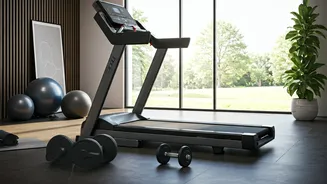
The intimidating knowledge barrier that once guarded the weight room has been smashed by technology. Don’t know how to perform a Romanian Deadlift? There are thousands of high-quality tutorials from certified trainers on YouTube and TikTok, often for free. Social media has created a new generation of fitness influencers who are relatable, knowledgeable, and represent a wide spectrum of body types and abilities. They share not just their triumphs but their struggles, demystifying the process and creating a sense of community. Fitness apps provide structured programs for a fraction of the cost of a personal trainer, and the pandemic-fueled rise of the home gym has made strength training more accessible than ever, removing the perceived judgment of a public space.
The Business of Democratic Fitness
The fitness industry has taken note and is adapting. The monolithic “big box” gym is now competing with a proliferation of specialized studios, from powerlifting gyms to group-oriented HIIT classes that incorporate weights. Companies like Peloton and Tonal have brought guided strength training directly into the living room, complete with charismatic instructors and data-driven feedback. Even apparel has changed. It's no longer just about function; brands are creating lines that celebrate the strong, athletic build, further normalizing the image of a muscular physique across genders. This commercial ecosystem reinforces the cultural trend, making it easier and more appealing for newcomers to join in.