



1. The Old Hack: Just Stay Hydrated
We’ve heard it since grade school: drink more water when it's hot. It’s the most fundamental rule of summer survival. Sweating is your body’s primary cooling system, but it only works if you have enough fluid to spare. Dehydration thickens your blood,
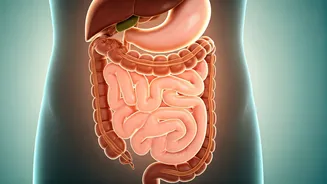
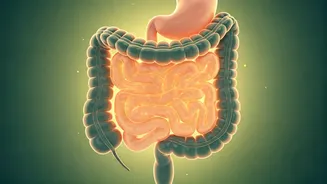
makes your heart work harder, and shuts down your ability to regulate temperature, quickly leading to overheating. The Gut Health Upgrade: It’s not just about how much you drink, but how much you absorb. Your gut is the gateway for hydration. A healthy gut lining, populated by beneficial bacteria, is incredibly efficient at pulling water and essential electrolytes from your intestines into your bloodstream. However, an imbalanced gut (a state called dysbiosis) is often linked to inflammation and a compromised gut barrier ('leaky gut'). This makes absorption less effective, meaning some of that water you’re chugging might not be helping you as much as you think. Supporting your gut with fiber-rich foods helps maintain a strong barrier, ensuring every sip counts.
2. The Old Hack: Eat ‘Cooling’ Foods
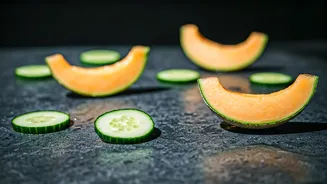
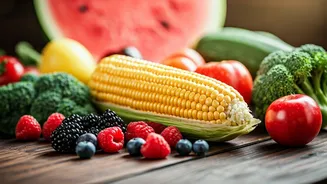
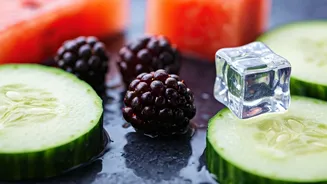
Reaching for a slice of watermelon or a crisp cucumber on a sweltering day feels instinctively right. For centuries, people have turned to high-water-content fruits and vegetables to stay refreshed. These foods provide hydration and are light on the digestive system, which is a big plus when your body is already working overtime to stay cool.
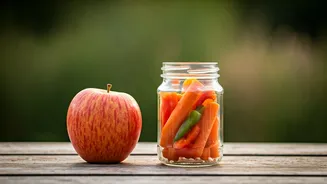
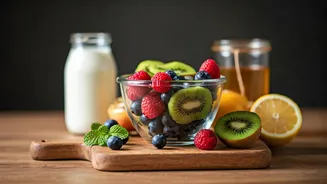
The Gut Health Upgrade: These classic cooling foods are often prebiotic powerhouses. Prebiotics are types of fiber that your body can't digest but your good gut bacteria love to eat. Watermelon, cucumbers, berries, and leafy greens are all packed with prebiotics that fuel a healthy microbiome. A well-fed microbiome helps reduce systemic inflammation, a key factor in heat tolerance. Chronic inflammation can slightly raise your core body temperature and make you feel hotter, so tamping it down with a gut-friendly diet gives your body a valuable assist.
3. The Old Hack: Avoid Heavy, Fatty Meals
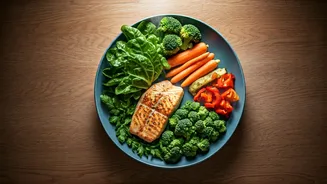
A giant steak or a greasy burger on a 95-degree day sounds… awful. There’s a reason we crave salads and grilled fish in July, not heavy roasts. Digesting food is a metabolic process that generates its own heat (this is called thermogenesis). Rich, fatty, and highly processed meals require more energy to break down, creating more internal heat and making you feel sluggish and even hotter.
The Gut Health Upgrade: The connection here is direct. Unhealthy fats and processed foods can negatively alter your gut bacteria, favoring microbes that promote inflammation. This digestive stress, combined with the extra metabolic heat, is a double whammy on a hot day. In contrast, lean proteins and plant-based meals are not only easier to digest but also support a more balanced, anti-inflammatory gut environment. Think of it as choosing a fuel source that burns cleanly and efficiently, keeping your internal engine from overheating.
4. The Old Hack: Replenish Your Electrolytes
When you sweat, you don't just lose water; you lose critical minerals like sodium, potassium, and magnesium. These electrolytes are vital for nerve function, muscle contraction, and maintaining fluid balance. An imbalance can lead to cramps, fatigue, and dizziness—classic signs of heat exhaustion. That’s why sports drinks are so popular, but you can also get electrolytes from food.
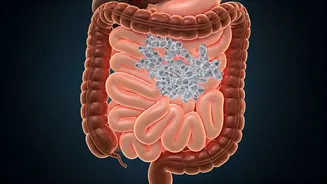
The Gut Health Upgrade: Your gut plays a starring role in regulating electrolyte balance. The large intestine, in particular, is responsible for absorbing these crucial minerals. A healthy microbiome enhances this process. Furthermore, fermented foods, which are fantastic for gut health, are often great sources of electrolytes themselves. Unpasteurized sauerkraut, kimchi, and kefir not only deliver beneficial probiotics but also help replenish what you lose through sweat. It’s a two-for-one deal for beating the heat.
5. The Old Hack: Limit Alcohol and Sugar
A sweet cocktail or a cold beer can feel refreshing for a moment, but they often backfire. Both alcohol and sugar act as diuretics, causing you to lose more fluid than you consume. This accelerates dehydration, the very thing you're trying to fight in the heat. Sugary drinks can also cause energy crashes, leaving you feeling even more drained.
The Gut Health Upgrade: Sugar and alcohol are villains in the gut health world. They feed the 'bad' bacteria, disrupt the delicate balance of your microbiome, and can increase gut permeability and inflammation. When your gut is already under stress from the heat, adding sugar and alcohol is like pouring fuel on a fire. This disruption can worsen dehydration and make you feel generally unwell. By skipping the sugary soda or extra cocktail, you’re not just avoiding empty calories; you’re protecting your gut’s ability to keep you cool, hydrated, and resilient.