



Beyond Canned Soup and Pasta
When Americans hear “pantry cooking,” we tend to think of boxed mac and cheese, canned tuna, and the pasta we bought in bulk. In India, the concept is far more dynamic and flavorful. A well-stocked Indian pantry isn’t a repository for emergencies; it’s
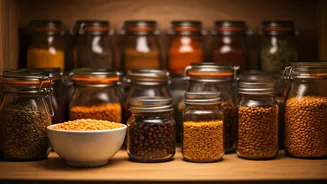
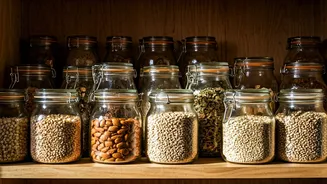
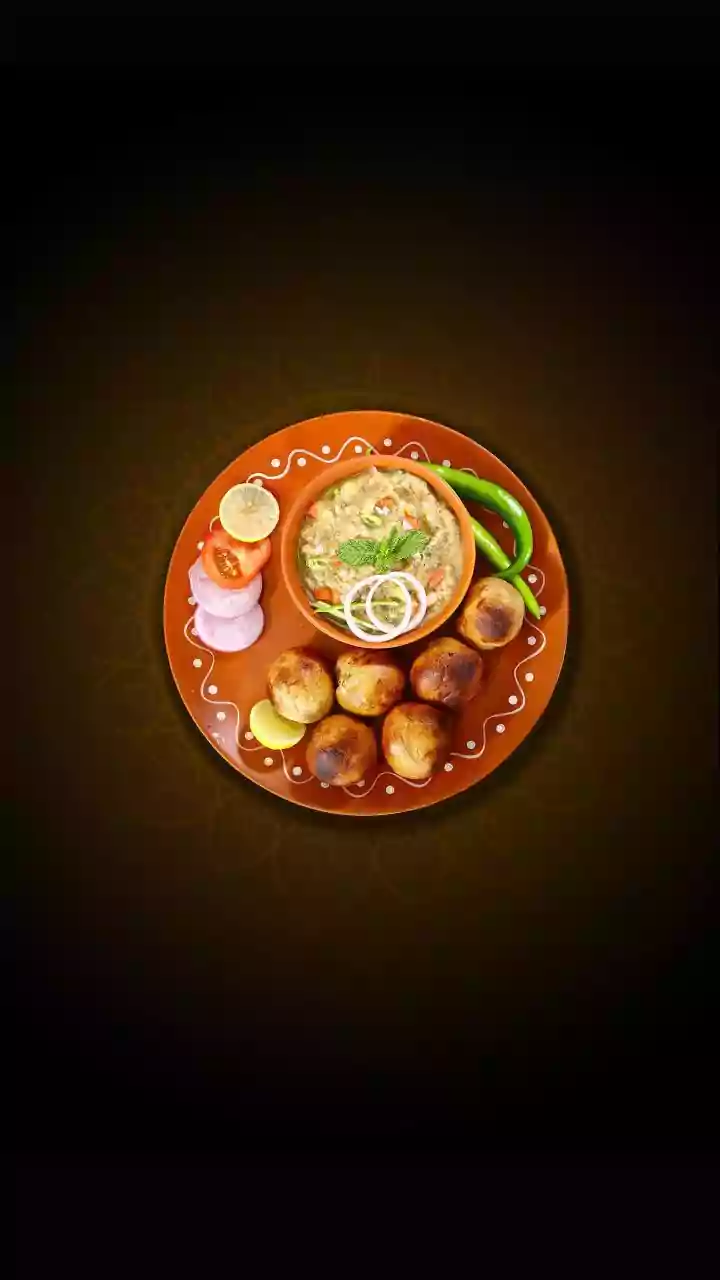
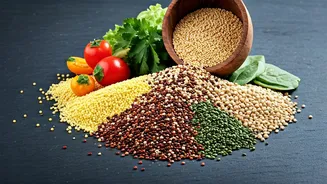
the living, breathing heart of the kitchen. It’s built around a versatile arsenal of lentils and legumes (dal), a variety of rice and grains, and, most importantly, an intricate palette of spices. Add to that long-lasting staples like ghee (clarified butter), tangy pickles (achaar), and sun-dried vegetables, and you have the foundation for thousands of regional dishes without ever needing to make a last-minute run for a single, expensive fresh ingredient. This isn’t about deprivation; it’s a time-honored strategy for creating complex flavors from shelf-stable, nutrient-dense building blocks.
A Perfect Storm of Necessity and Choice
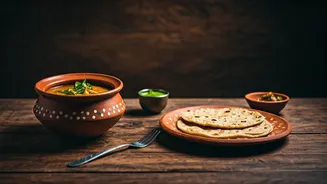
So why the resurgence now? It’s a confluence of modern pressures. First, simple economics. With food inflation hitting hard across India, the prices of fresh vegetables and meats have soared, making them a periodic luxury for many households. A simple dish of dal and rice, elevated with expertly deployed spices, offers a complete protein that is both deeply comforting and financially sensible. Second, there's a post-pandemic health awakening. Many are turning away from processed, packaged foods and rediscovering the wellness wisdom embedded in traditional diets. Ayurvedic principles, which often favor easily digestible foods like dal and rice, are finding a new, younger audience. Finally, it’s a cultural reclamation. There's a growing pride in regional culinary heritage, a movement to cook the way grandmothers did—sustainably, seasonally, and resourcefully.
The Power of the Spice Box
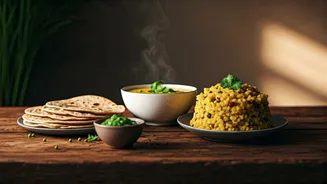
The true engine of Indian pantry cooking is the “masala dabba,” or spice box. This simple, typically round tin with smaller containers inside is the cook’s palette. With just a handful of core spices—turmeric, cumin seeds, coriander, red chili powder, and mustard seeds—a home cook can transform a humble pot of lentils from a simple soup into a fragrant dal tadka, or turn basic rice and lentils into the restorative dish known as khichdi. This approach flips the Western cooking model on its head. Instead of relying on a star protein or a fancy vegetable, the flavor is built from the ground up through the sophisticated layering of spices. It’s a masterclass in creating something extraordinary from the seemingly ordinary.
Lessons for the American Kitchen
While the context is different, the philosophy behind India’s pantry cooking revival holds powerful lessons for American home cooks. It challenges us to see our own pantries not as a backup plan, but as a primary source of inspiration. It’s an invitation to stop thinking, “What can I make with this chicken breast?” and start asking, “What amazing flavors can I build from my spice rack and a can of chickpeas?” This approach naturally leads to less food waste, as we learn to enhance what we have rather than constantly buying more. It encourages creativity and confidence, proving that a delicious meal doesn’t require a long, expensive shopping list. It’s a return to a more intuitive, sustainable, and ultimately more rewarding way to feed ourselves and our families.