



Swiss Chard: The Two-for-One Wonder
Swiss chard is the unsung hero of the summer garden, offering two distinct textures and flavors in one plant. The tender, spinach-like leaves are fantastic eaten raw in salads, where their earthy flavor provides a welcome change from milder lettuces.
But the real magic lies in the crisp, colorful stems. Don’t throw them out! Finely chop the stems and sauté them with garlic and olive oil as a base for pasta sauces, or pickle them for a bright, crunchy addition to sandwiches and grain bowls. For a simple side dish, you can quickly wilt the leaves in a pan while the stems cook a few minutes longer, giving you a complete, texturally diverse vegetable dish from a single bunch. Chard is also sturdy enough to be used as a wrap for grilled fish or chicken, steaming gently on the barbecue.
Kale: More Than Just a Smoothie Filler
Kale has had its moment in the wellness spotlight, but its true value lies in its incredible durability. Unlike delicate lettuces that wilt the second they see dressing, kale stands up to bold, acidic vinaigrettes, making it perfect for make-ahead salads that actually taste better the next day. For summer, try a Tuscan kale (Lacinato or dinosaur kale) salad, massaged with lemon juice and olive oil to tenderize the leaves. This same sturdiness makes it a champion on the grill. Toss whole leaves with a little oil and salt, then grill for a minute or two until crispy and slightly charred. These “kale chips” are a revelatory snack. You can also chop it finely and stir it into burger patties or bean burgers to add moisture and nutrients without compromising texture.
Arugula: The Peppery Powerhouse
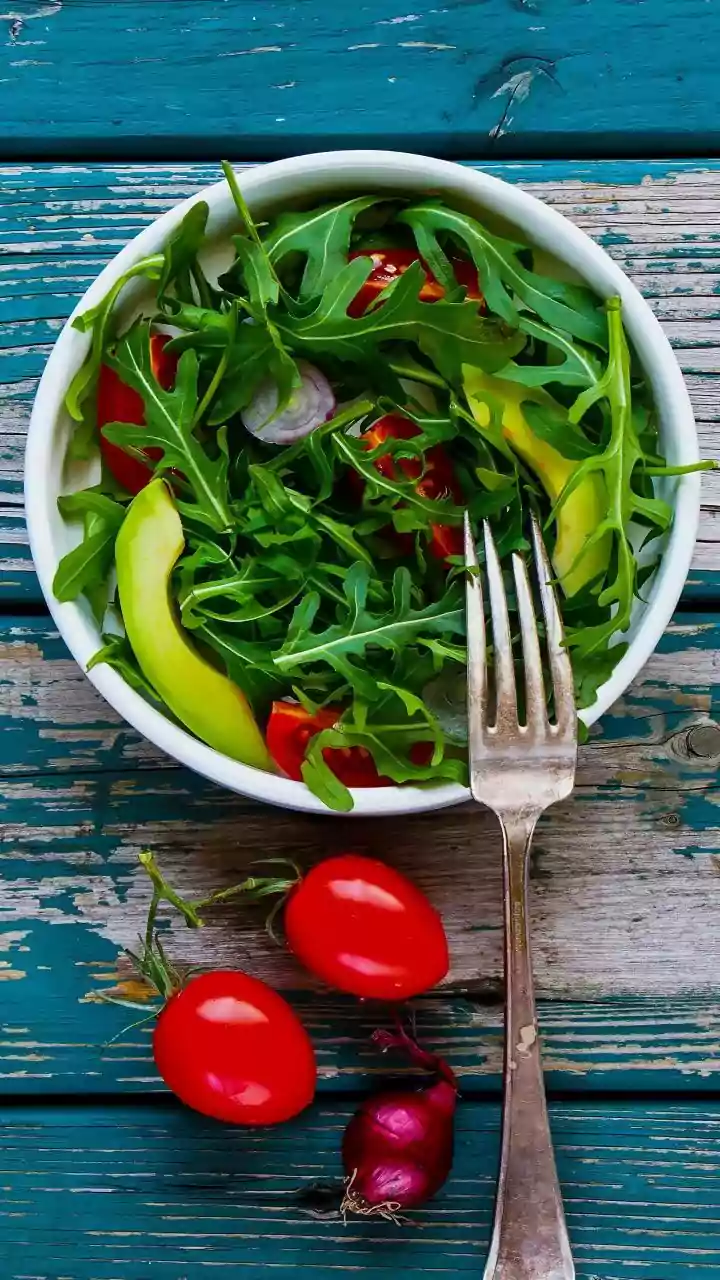
While many greens are mild, arugula brings a distinctive, peppery kick that can elevate a dish from bland to brilliant. Its bold flavor means a little goes a long way. In the summer, it’s the perfect foil for sweet flavors. Toss a handful with grilled peaches, prosciutto, and a balsamic glaze for an instant, elegant salad. Its best trick, however, is as a finishing green. Instead of wilting it into a dish, throw a generous handful of fresh arugula onto a pizza right out of the oven or stir it into a warm pasta just before serving. The residual heat will soften it just enough without destroying its spicy bite. It also makes a fantastic, vibrant pesto when blended with parmesan, nuts, and olive oil, perfect for slathering on grilled chicken or tossing with summer vegetables.
Collard Greens: The Hearty Hero
Often typecast as a winter green that requires long, slow cooking, collards are surprisingly adaptable for summer. The key is to treat them differently. For a fresh take, slice the leaves into very thin ribbons (a chiffonade) and use them as the base for a slaw. Dressed in a creamy or vinegar-based dressing, they offer a satisfying crunch that holds up for hours at a picnic or barbecue, unlike cabbage which can quickly become waterlogged. Their large, broad leaves also make them the ultimate all-natural wrap for summer rolls or low-carb burritos. Just blanch the leaves for 30 seconds in boiling water to make them pliable, then fill with your favorite ingredients. They’re far more nutritious and flavorful than a standard tortilla or rice paper wrapper.
Beet Greens: The Underrated Bonus Green
Most people buy beets for the root and toss the tops, which is a massive culinary mistake. Beet greens are essentially a free bunch of leafy greens with a mild, sweet, and earthy flavor similar to chard. They are incredibly versatile and cook in minutes. The next time you buy a bunch of beets, separate the leaves and sauté them with garlic and a splash of vinegar for a quick, delicious side dish that pairs perfectly with grilled meats. They can also be chopped and stirred into risottos, frittatas, or soups in the last few minutes of cooking. For a zero-waste summer appetizer, blend beet greens into a hummus or a yogurt-based dip for a beautiful color and a subtle, earthy boost.