







Diego Maradona, Argentina (1986)
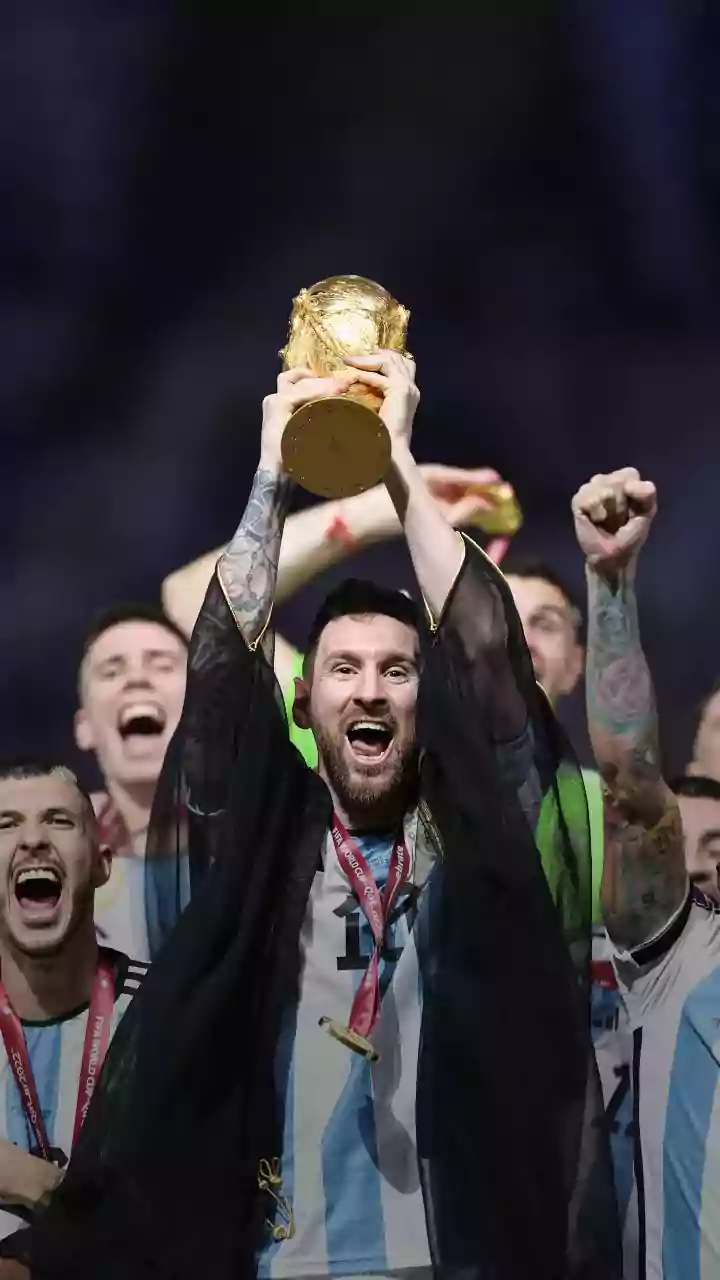
You can’t start this conversation anywhere else. Maradona in 1986 is the ultimate example of a captain dragging a team to glory through sheer, unadulterated genius and force of will. He wasn't a statesman like some on this list; he was a force of nature.
Leading a solid but unspectacular Argentine side, he defined the tournament in Mexico. The quarter-final against England is the perfect microcosm of his captaincy: the infamous 'Hand of God' goal, a moment of cunning gamesmanship, followed minutes later by the 'Goal of the Century,' a slaloming run of impossible brilliance. He scored or created 10 of Argentina's 14 goals in the tournament. That's not just leadership; it's a heroic takeover.
Franz Beckenbauer, West Germany (1974)
If Maradona was fire, Franz Beckenbauer was ice. 'Der Kaiser' (The Emperor) wasn't just a captain; he was the team's on-field brain. He perfected the role of the modern sweeper, or 'libero,' stepping out of defense to dictate play with elegance and intelligence. In the 1974 Final, West Germany faced Johan Cruyff's legendary 'Total Football' Dutch side. After going down 1-0 in the first minute, Beckenbauer didn’t panic. He reorganized his team, calmed their nerves, and wrestled control of the midfield. His cool-headed authority in the face of an all-time great opponent, on home soil, is the definition of leadership under pressure. He won as a player and later as a manager, a testament to his profound understanding of the game.
Bobby Moore, England (1966)
Pelé called him the greatest defender he ever played against, and for good reason. Bobby Moore was the consummate gentleman captain. He led with quiet dignity, impeccable timing, and a profound sense of fairness. His leadership of England's 1966-winning team was built on a foundation of defensive rock-solidness and composure. The image of him held aloft on his teammates' shoulders, clutching the Jules Rimet trophy at Wembley, is etched into football history. But his most iconic moment might be a tackle in 1970 against Brazil's Jairzinho—a perfectly timed, clean, and beautiful intervention that encapsulated his entire style: calm, precise, and utterly flawless when it mattered most. He made leadership look effortless.
Didier Deschamps, France (1998)
On a team sparkling with the genius of Zinedine Zidane, the captain was a man nicknamed 'the water-carrier.' Didier Deschamps was not the most technically gifted player on the pitch, and he knew it. His greatness as a leader came from that self-awareness. He was the pragmatic, disciplined, and tireless heart of the French team that won the World Cup on home soil. He did the unglamorous work—breaking up opposition attacks, maintaining the team’s shape, and linking the defense to the attack—so that creative players like Zidane could thrive. Deschamps’s captaincy proves that leadership isn't always about scoring the winning goal; sometimes it's about creating the stability and platform for others to shine.
Cafu, Brazil (2002)
Few players have ever radiated joy on a football pitch quite like Cafu. As captain of the 2002 Brazil squad—the last South American team to win the World Cup—he led a team of superstars like Ronaldo, Rivaldo, and Ronaldinho. His role was to be the ever-reliable engine and the unifying presence. The enduring image is of him standing on a precarious, hastily assembled podium after the final, shouting 'Regina, eu te amo!' ('Regina, I love you!') to his wife before lifting the trophy. It was a moment of pure, unscripted humanity. As the only player to appear in three consecutive World Cup finals, his relentless energy down the right flank and his infectious smile made him a captain who led by example and with heart.
Paolo Maldini, Italy
A list of great captains feels incomplete without Paolo Maldini, even though he never lifted the trophy. 'Il Capitano' is a symbol of longevity, defensive artistry, and unwavering loyalty. He captained Italy for eight years, playing in four World Cups and reaching the final in 1994 and the semi-finals in 1990. His leadership was defined by quiet authority and near-perfect play. While the ultimate prize eluded him on the international stage, his career serves as a powerful reminder that a captain's greatness isn't measured solely by the silverware they hoist, but also by the standard they set for decades.