





The Rise of 'Embassy Anxiety'
Imagine saving up for a dream family vacation to the United States. You book flights and hotels months in advance, only to find the next available appointment for a visa interview is over 500 days away. This isn't a hypothetical; it has been the reality
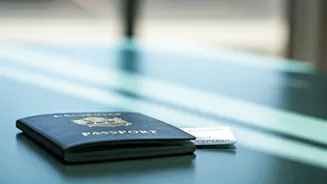
for many Indians in recent years. This stressful, uncertain, and expensive process has a name: 'embassy anxiety.' It’s the feeling of dread associated with navigating the visa gauntlet for countries like the U.S., UK, and the Schengen Area in Europe. The process often involves compiling a mountain of documents (bank statements, property deeds, letters of employment), paying hundreds of dollars in non-refundable fees per person, and enduring a short, high-stakes interview where a 'no' can derail plans and sink thousands of dollars. For a growing number of would-be tourists, students, and professionals, the conclusion is simple: the destination isn't worth the ordeal.
The Red Carpet Rollout
As some doors have become harder to open, others have been thrown wide open. A wave of countries, particularly in Southeast Asia and the Middle East, have recognized a massive opportunity. They are competing for a slice of the Indian outbound tourism market, which is one of the fastest-growing in the world. In late 2023 and early 2024, nations like Thailand, Malaysia, Sri Lanka, and Kenya announced visa-free entry for Indian passport holders. They are effectively telling millions of Indian travelers, “Skip the paperwork and the long waits; just book a ticket and come.” This is a powerful marketing message. For an Indian family, the ability to make a spontaneous decision to travel to a beautiful beach destination without months of planning and uncertainty is a game-changer. The result is a visible rerouting of tourist traffic. Instead of lining up at an embassy, Indians are lining up at boarding gates for Bangkok, Kuala Lumpur, and Dubai.
A Shift in Economic Gravity
This trend is about more than just vacation preferences; it's about a significant shift in economic gravity. Indian tourists are known to be high-spending, and the countries that are making it easy for them to visit are reaping the rewards. The money that would have been spent on non-refundable visa fees to the U.S. is now being spent directly on hotels, food, and attractions in visa-friendly nations. This has created a virtuous cycle: as more Indians visit, these countries invest more in services and infrastructure to cater to them, further strengthening their appeal. Conversely, countries with burdensome visa regimes are experiencing an opportunity cost. They are not just losing out on tourism dollars but also on the soft power and cultural exchange that comes with welcoming visitors. Every family that chooses Thailand over California is a small economic and diplomatic loss for the U.S.
Beyond Tourism: Talent and Opportunity
The implications of 'embassy anxiety' extend far beyond tourism. The same visa backlogs and uncertainties that deter tourists also affect students, tech professionals, and entrepreneurs. The long wait times for U.S. work visas like the H-1B and the green card backlog have been well-documented. Consequently, highly skilled Indian workers are increasingly looking at alternatives. Canada's Express Entry system, Australia's Global Talent Visa, and even opportunities in the UAE have become attractive because they offer clearer, faster, and more predictable pathways to residency and work. While the U.S. remains a top destination for education and tech careers, it is no longer the only one. The global competition for talent is fierce, and a cumbersome immigration system is a significant disadvantage. The choice to study or build a business in a country where one feels welcomed, not just scrutinized, is becoming a decisive factor for India’s best and brightest.